The Macveans & Frasers of Staunton/Norla, Irving Road, Toorak and their Neighbours.
Banner Images:
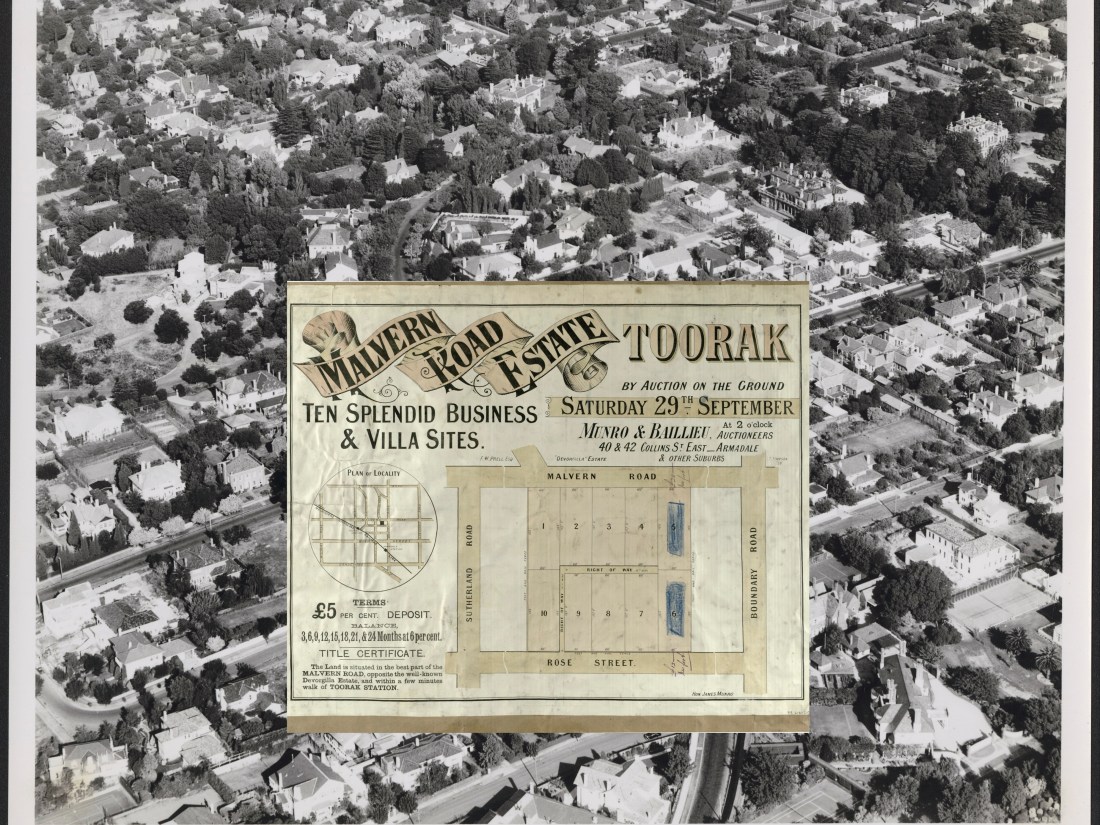
1)Aerial view of Toorak looking at the junction of Kooyong and Albany roads, Victoria ca. 1950 http://handle.slv.vic.gov.au/10381/386105
2) Malvern Road Estate Toorak http://handle.slv.vic.gov.au/10381/386105
This post came about thanks to the many hours of research I did for my last post titled, “Madam President”.
If you read that, you will be aware that I discovered an extraordinary link: the house that Marion Fraser’s family lived in, Norla, from the late 1880s until it was demolished in 1933, was, in fact, the family home of her husband (John Macvean, my cousin) since 1875.
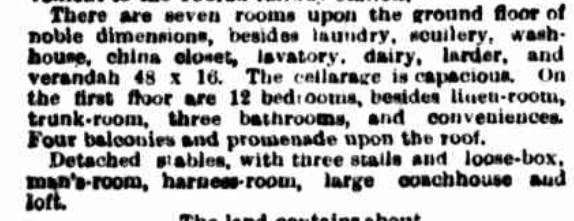
It was called “Staunton”, and here is the for-sale notice that I’m assuming John’s father, also named John Macvean, would have seen before purchasing it.

The extraordinary link that confirmed this house, named Staunton, was indeed Marion’s family home, Norla, was thanks to a letter sent by her brother, Neville Fraser, father of Australian Prime Minister Malcolm Fraser, to “The Herald” newspaper.

When I shared this letter in my previous post, I did note that Neville didn’t actually state the original name of the property, Staunton, but the fact that he named John as the previous owner was good enough for me to confirm that it was indeed the same house.
Since then, I wanted to drill down a bit further and see if I could support my assurance a bit more. So I started going through all the excess information I saved on Staunton and Norla before I found Neville’s letter.
So, where to start? The for-sale notice for Staunton, above. I must admit, I had to look up what “contiguous” meant. Vocabulary.com defines it as “…one thing touching another thing, or next to it but not actually touching.” https://www.vocabulary.com/dictionary/contiguous
This means that Mr Prell and Mr Lorimer, specifically mentioned in the for-sale notice, must have been neighbours to the Staunton estate.
And indeed they were. I found maps showing that both men had properties on the opposite side of Irving Road to Staunton. Mr Lorimer was at one end of Irving Road on the corner of Toorak Road.
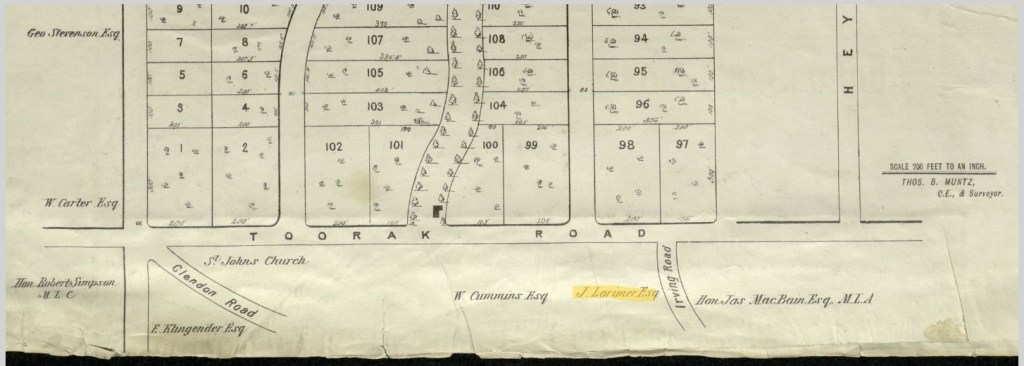
Figure 2: Courtesy of the State Library Victoria
http://handle.slv.vic.gov.au/10381/162552
Mr Prell was at the other end of Irving on the corner of Malvern Road.
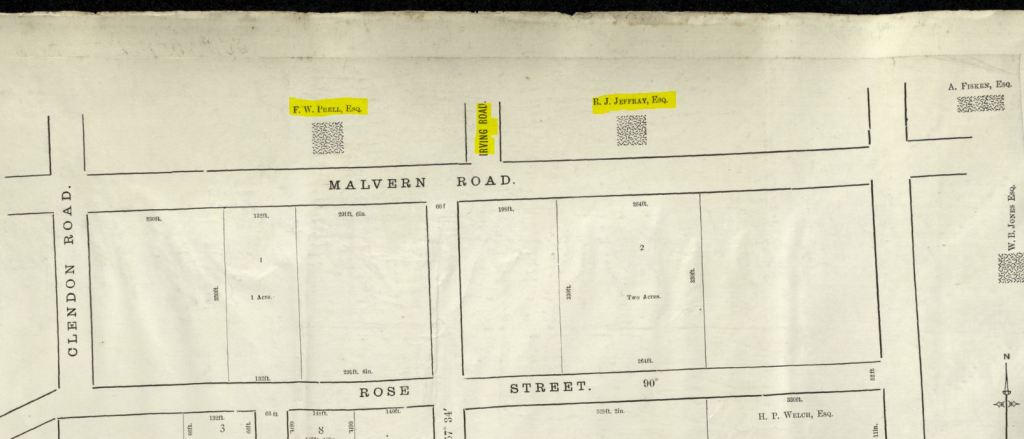
Figure 3: Courtesy of the State Library Victoria
http://handle.slv.vic.gov.au/10381/161512
Mr Friedrich Wilhelm Prell’s property was known as “Iona”. He commissioned its building in 1871, the same year Staunton was commissioned.
I found a great description of the property and the one and only photo of Mr Prell on Trove, shown below.

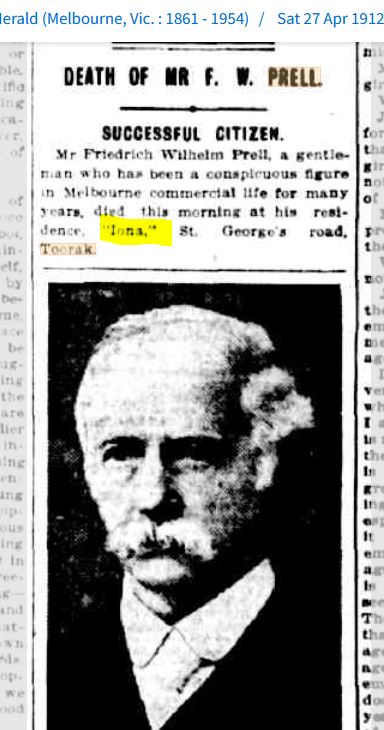
Article 1: Courtesy of Trove, National Library of Australia
I found Iona on the Melbourne and Metropolitan Board Maps. I have highlighted Iona below, as well as the entrance to Staunton on the opposite side of Irving Road, to illustrate their contiguous nature.

Figure 4: Courtesy of the State Library Victoria
http://handle.slv.vic.gov.au/10381/122048
Here is Iona in close-up.

Figure 5: Courtesy of the State Library Victoria
I then had the great fortune of finding this fantastic photo of the actual mansion itself, taken in 1885.
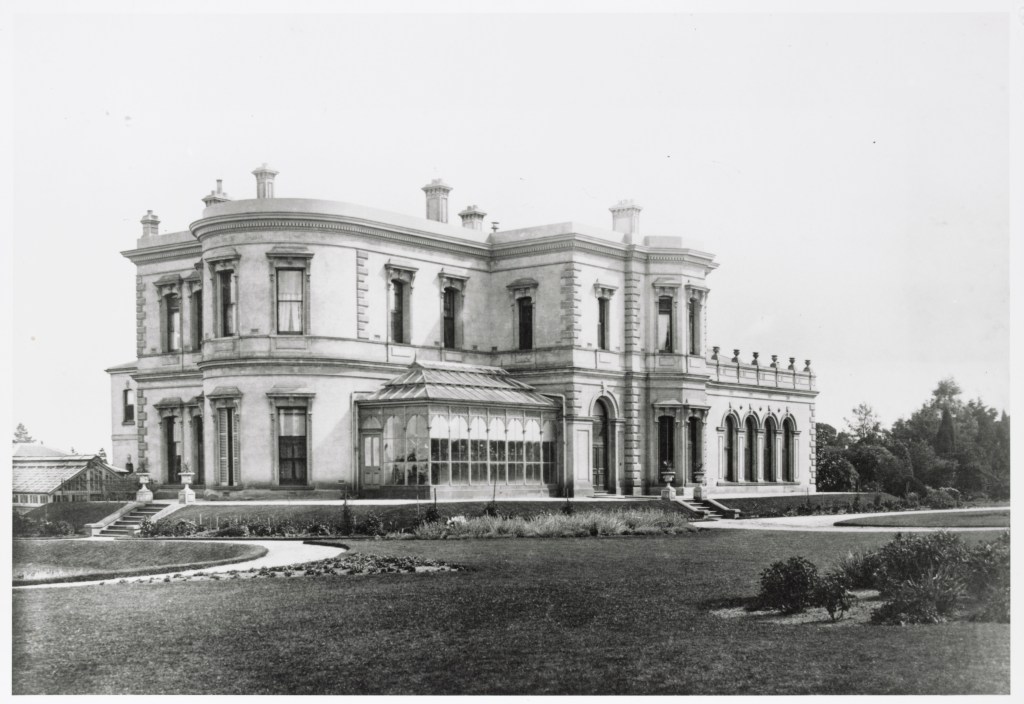
Figure 6: Courtesy of the State Library Victoria
http://handle.slv.vic.gov.au/10381/151332
Iona was sold by Mr Prell in December 1900.
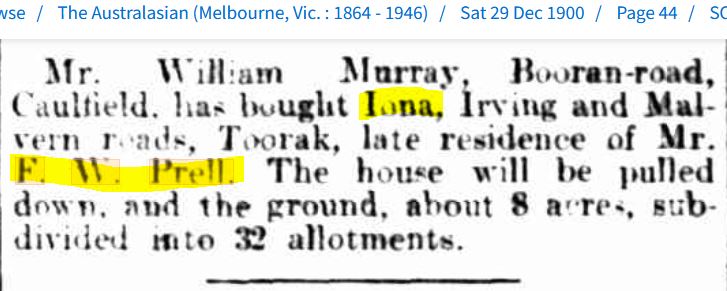
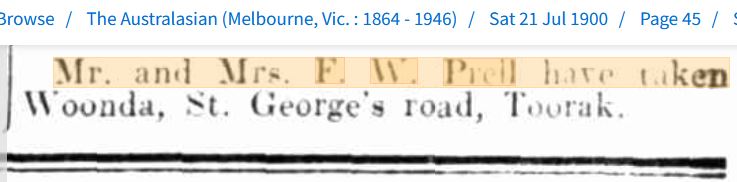
Mr & Mrs Prell had already purchased a house just a couple of streets away, called “Woonda” in St. George’s Rd, which they also renamed Iona.
Iona was actually saved from being demolished at this time. Mr William Murray, who purchased the property, didn’t have possession of Iona for long, selling it just a month later in January 1901.
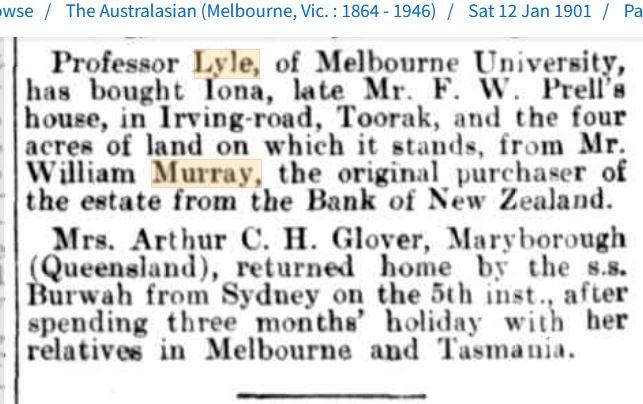
Next, there was a mention of the house in an article about an artwork sale from Iona that Mr Prell was holding. It explains what Professor Lyle, the new owner, did with Iona.

He renamed it to “Lisbuoy”. This led me to the next find: what eventually happened to the mansion.

How sad but at least it lasted to the end of 1939, that is almost six years longer than it’s neighbour, Staunton which was demolished in 1934.
Here is the Iona site today. I’ve tried to match it to the view of the property in the map above (Figure 5).

Figure 12: Courtesy of Google Maps
It was also great, finding that mention of Iona being renamed to Lisbuoy. This is what I am hoping to find for Staunton, when it was renamed to Norla, but still nothing has revealed itself as yet.
On to Staunton’s other neighbour, Mr Lorimer and his property, which was creatively called “Lorimer House”.
According to a Victorian Heritage Council study, the house was built in 1869 for James Lorimer and that it was probably to the design of the same architect who designed and built Staunton, Mr Leonard Terry. https://vhd.heritagecouncil.vic.gov.au/places/1162/download-report
The first record of the Lorimers in residency I could find was from these adverts from 1875 and 1876.


James Lorimer was a successful merchant and one of the founding members of the Melbourne Harbour Trust. He was also a noted banker and politician, becoming Victorian Defence Minister in the 1886 Duncan Gillies, Alfred Deakin government. He was knighted the following year in London, where he was representing the colony of Victoria’s interests at the Imperial Conference. https://trove.nla.gov.au/newspaper/article/162066502?searchTerm=%22james%20lorimer%22
James sells the property sometime after 1876 to Mr William Halliday. No sale notice, but I did find this birth notice that confirms that the Lorrimer’s had moved by mid 1878 to a new house in Albany Road, just around the corner.

I also managed to find this fascinating mention below, confirming that Mr Halliday had a link with the property, specifically the name “Brookong”, don’t worry, all will be revealed.
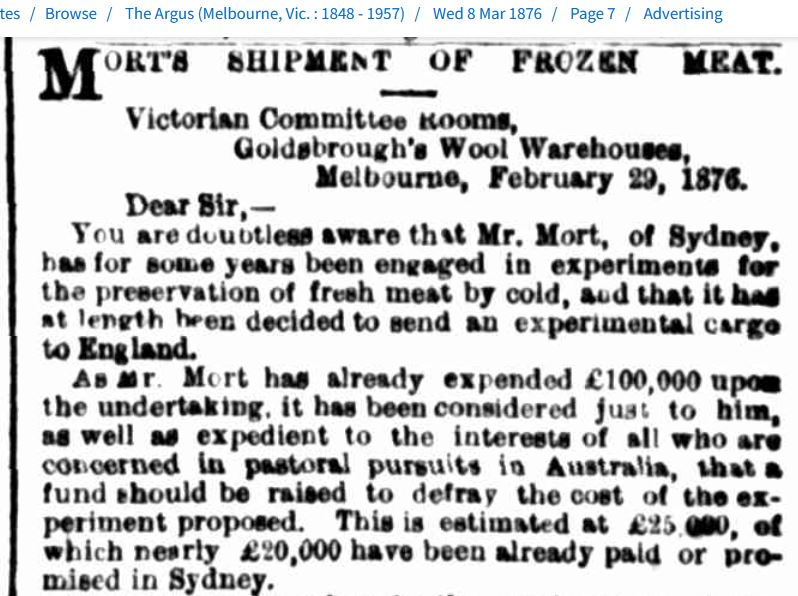

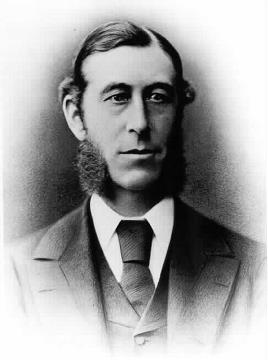
There was a surprise in that list of subscribers. That is my 3x great-granduncle, John Macvean, owner of Staunton, and future father-in-law of Marion Fraser, who also subscribed to the fund.
Moulamein, the town John is noted as being from, is the oldest town in the Riverina area of New South Wales, and it is where John owned the Mooloomoon Station. https://en.wikipedia.org/wiki/Moulamein

Mooloomoon Station is situated on the traditional lands of the Wamba Wamba people. https://alc.org.au/land-council-map/
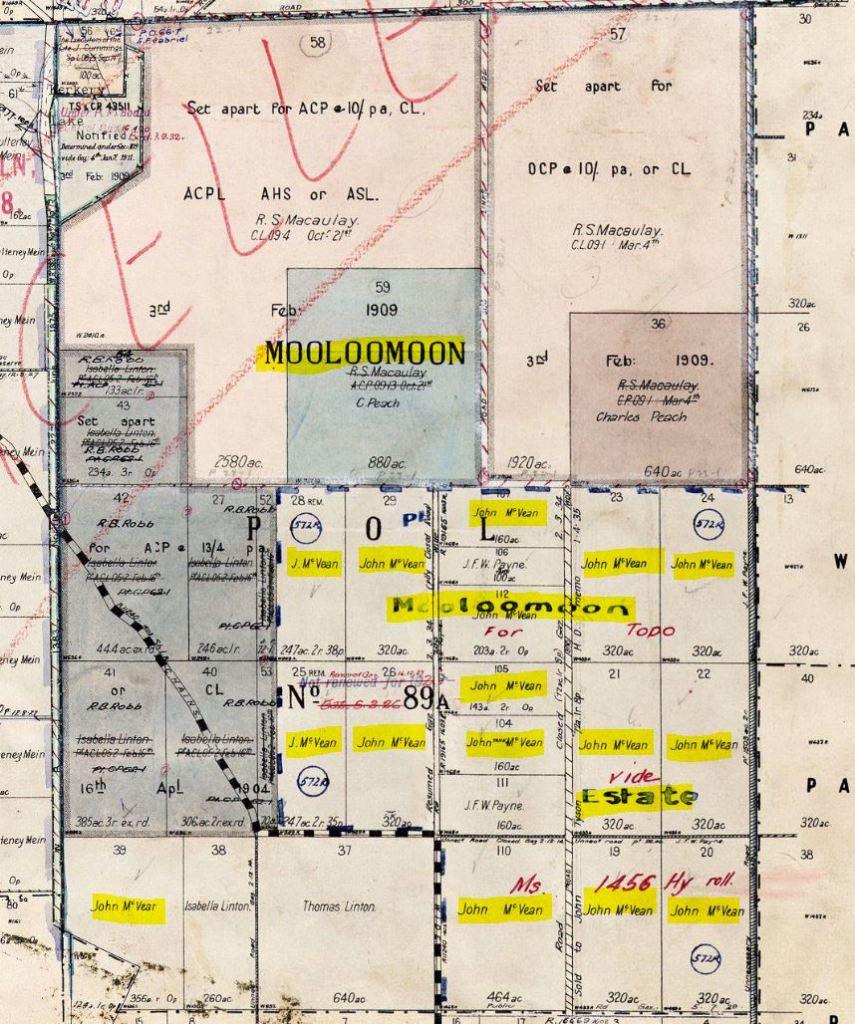
Figure 13b: Courtesy of the New South Wales Land Registry Service
https://hlrv.nswlrs.com.au/
Like most successful squatters of his time, John had a town residence, and in this case, the first mention I have of him at Staunton is this next notice.

I know, Robertson, what? Well, Francis Ormond Robertson happens to be John’s son-in-law, as he was married to John’s daughter, Margaret.
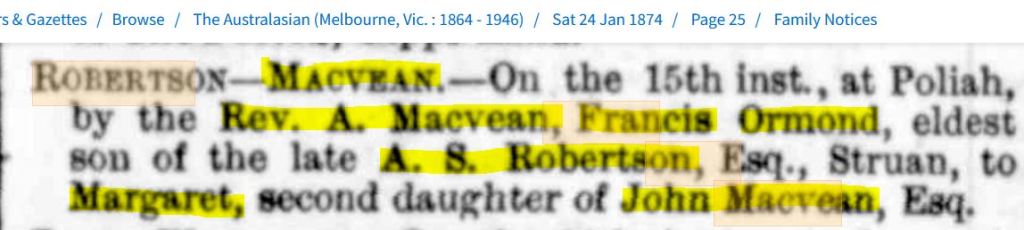
And I have only just put this together; it was a double wedding with Margaret’s sister, Vair, and her fiancé, Thomas Dodds, being married at the same time. Check out who was marrying them. Their uncle, the Rev. Allan Macvean.

The birth notice in (Figure 13c), by the way, refers to Margaret and Francis’s daughter Ruby’s birth.
Now, back to the neighbours. You will note in (Article 2) above that Mr William Halliday is noted as being from “Brookong”. It was the name of the sheep and cattle station he owned in the Wagga Wagga area of New South Wales.

And here is the link to Lorimer House. Like most squatters of the day, he named his city home after his rural station, and I found it on the Metropolitan and Melbourne Board of Works Maps.

Figure 15: Courtesy of the State Library Victoria
http://handle.slv.vic.gov.au/10381/122070
This confirms that it was the old Lorimer House renamed. Unfortunately, just three years after the Hallidays moved in, this tragedy happened.


I’m assuming the loss of his wife, Marion, prompts William to dispose of the property, as just two months after her death, he holds a sale of all of their household furniture and effects.

William was a very successful pastoralist and was elected as a member of the NSW Legislative Council in September 1885, a position he held for six years. https://www.parliament.nsw.gov.au/members/Pages/member-details.aspx?pk=583
Before we leave William and move on to the new owners, I just want to share what happens to William in the 14 months after he leaves Brookong. Just five months after selling up in Toorak, this string of tragedies takes place.

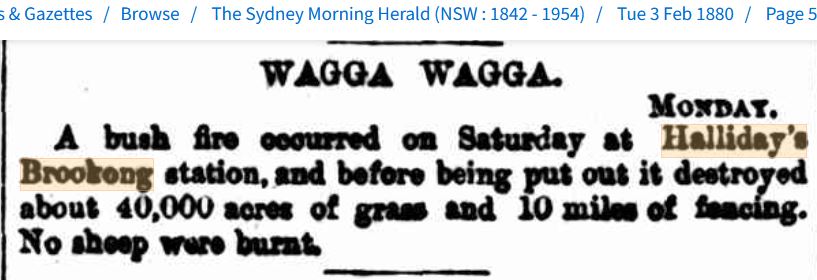

Within 18 months, he loses his wife, his eldest daughter, has a massive bush fire on his property and then loses his son in a tragic accident. It reads like an episode of “Who Do You Think You Are?” but in actual fact, it is just life events playing out, as they do for all of us.
The NSW State Parliament Archives had a sketch of William in their collection.

Figure 18: Courtesy of Parliament of New South Wales
https://www.parliament.nsw.gov.au/members/Pages/member-details.aspx?pk=583
Life events were also playing out for John and his family at Staunton. John and his wife Jemima suffered this awful loss in 1877. It also happens to be our first official documentation of the Macveans in residency at Staunton.


I can’t find an official named photo of Alexander, but I did find this random one in the miscellaneous Macvean file that is not attached to any branch. I wonder if it could possibly be Alexander.
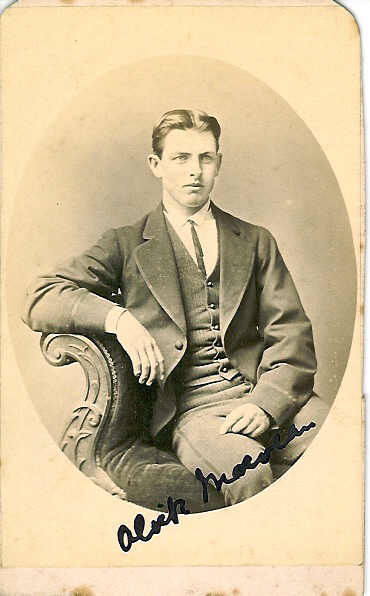
Generously shared by Sally M
His hairstyle and clothing certainly fit the period of the 1870s. A couple of examples below to compare.

Figure 18c: Courtesy of the National Library of Ireland
https://catalogue.nli.ie/Record/vtls000721342

Figure 18d: Courtesy of Pinterest
https://au.pinterest.com/pin/11610911524106952/
Next, we have John’s first appearance at the Irving Road address, in the Melbourne version of the Sands & McDougall Directory for 1878.

Then, in May 1879, John and Jemima are loaning Staunton out to their niece, Anne Isabella, eldest daughter of John’s brother Hugh Macvean, for her wedding. Again, the Rev. Allan Macvean is presiding over the ceremony.

No wedding photo for them has appeared, but I was able to find a photo of both Anne and Francis online.

Generously shared by Ruskette Smith
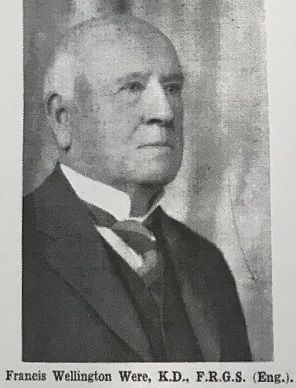
Generously shared by Universal Neil
(Original appears on page 434 of Early Pioneer families of Victoria and Riverina: a genealogical and biographical record (published 1936)
Then, 18 months later, the unthinkable happens: Jemima and John lose another child. Their eldest daughter, Vair, passed away on December 3, 1880.
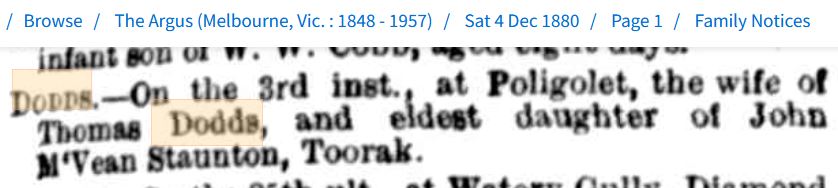
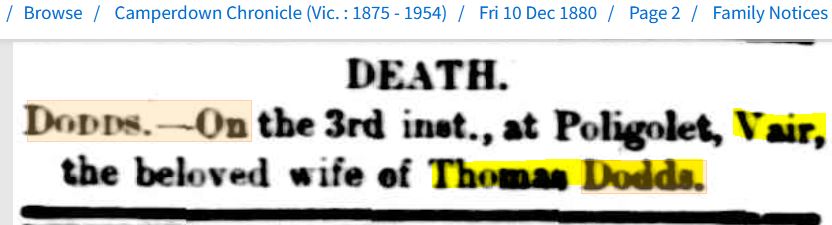
Vair was only 28 years old. She and Thomas had been married for six years, and she left him with a 10-month-old baby to care for, Mary Esme Dodds.
“Poligolet” was the name of the homestead where Vair lived with Thomas and Mary, and of course, where she died. It is roughly 9km from the nearest town, Derrinallum, in Victoria. I found a photo of the house on the Heritage Council of Victoria database.

Figure 18j: Courtesy of Victorian Heritage Database
http://vhd.heritage.vic.gov.au/search/nattrust_result_detail/67816
And the property appears to still be in existence today.

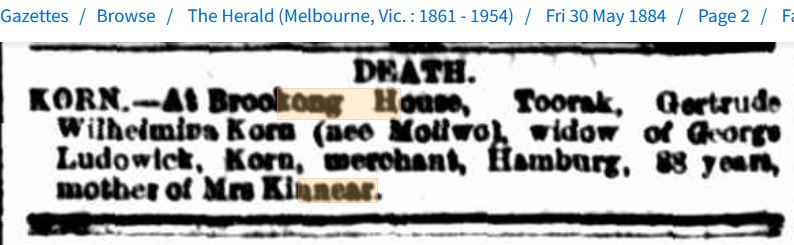
Back to Brookong. Its next owners after William Halliday departed were Mr Robert Hill Kinnear and his wife, Rosalie Magdalen Catherine Kinnear, née Korn. Their first appearance in Trove at the address is in January 1880.

They have ownership of Brookong for the next 33 years. There are lots of mentions of their lives at Brookong in Trove; here are just a few examples below, interspersed with what was happening at Staunton.
The first is a notice for the death of Rosalie’s mother, Gertrude Korn, who obviously made the journey out to the colonies.
At the same time, John Macvean makes another appearance in the Sands & McDougall Directory, confirming that the family are still at Staunton.

A year later, and just four years after losing his daughter, Vair, John’s wife, Jemima, passes away.

John, her son and Marion’s future husband, is 19 years old at the time.
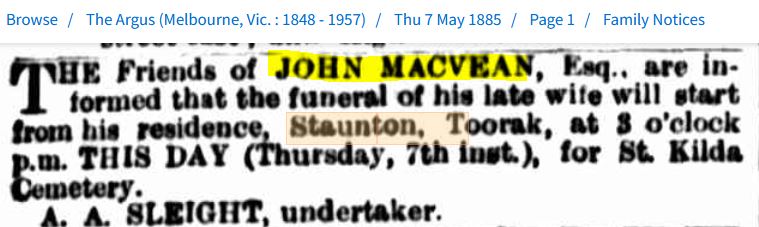
And if that wasn’t enough, just 12 months later, John and the family suffered another terrible loss.
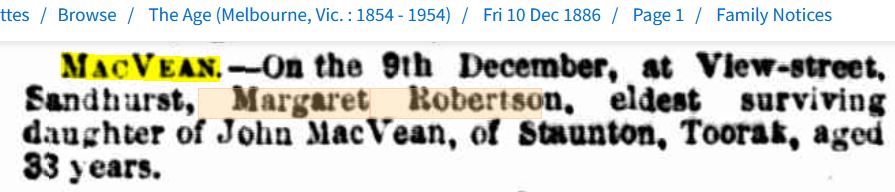
Remember, Margaret is the mother of Ruby and the wife of Francis Ormond Robertson.

Margaret is 33 years old at the time, she and Francis have been married 12 years, and Ruby is just 9 years old.
Then, six months later, after 20 years of history at Staunton, John must have decided he’d had enough, and he let out the property. I learnt this from the next advert below.
It is for the sale of all of the furniture and other household goods from Staunton. I’ve included the whole ad as it is fascinating to see what was actually in the sale.
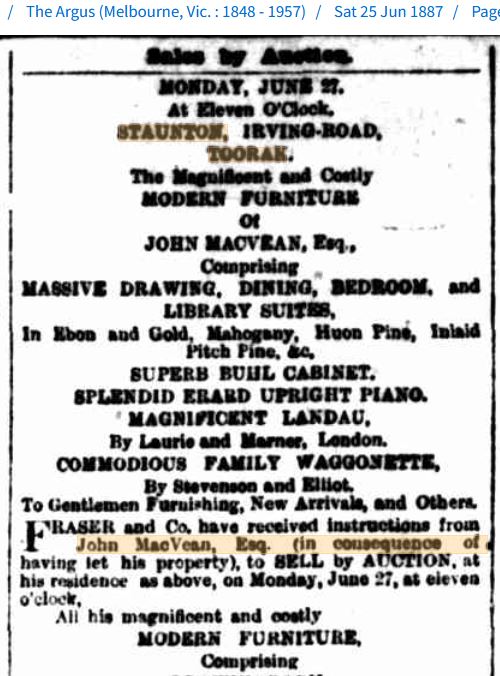


Article 3: Courtesy of Trove, National Library of Australia
John let Staunton out to Mr Octavius Charles Beale and his wife, Elizabeth Beale, née Baily. Their first appearance in Trove is seven months later, in February of the new year.


Octavius Charles Beale was a philanthropist, and he also manufactured pianos in Australia. He was one of the few manufacturers who built all components of his pianos on site in his factory. https://playerpiano.yolasite.com/beale-the-australian-player-piano.php
I found a photo of Charles in one of the trees on Ancestry.com.au, but unfortunately, as is often the case with the wives at the time, there wasn’t one for Elizabeth.
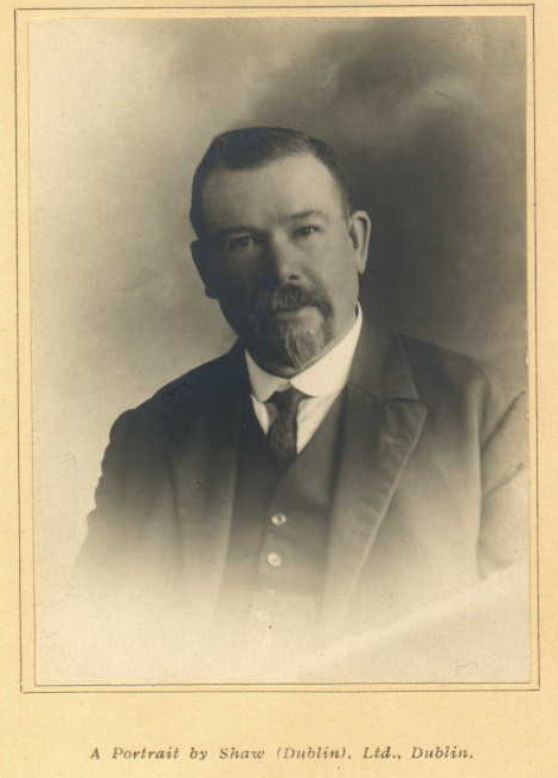
Figure 21b : Courtesy of Ancestry.com.au
Generously shared by T C Channon
It looks like the Beales liked to entertain. If the dates are correct here, that is two grand balls in two weeks.


This is probably an appropriate time to check in with Marion and the rest of the Fraser clan, as Neville mentioned in his letter (Figure 1a) that his father, Simon, had the deeds of Staunton from 1887.
If the Beales were living at Staunton, where were the Frasers? Clearly not Staunton as yet. I found them a year earlier, about the same time the Beales were moving into Staunton. The occasion? Marion’s debut.

So they were already in Toorak, but where? I found the answer thanks to Ancestry.com.au. When Ancestry links a government source to an event in someone’s life it often has the area listed that the event took place.
I noticed in Marion’s father’s Ancestry details that he and Anna’s second son, Douglas Martin, was noted as being born in Melbourne. This was on a Victorian Births Deaths and Marriages source. No one had a newspaper notice attached of the birth so I went searching on Trove and bingo!

A house name. “Inverbreckie” in Toorak. That fits with Marion’s debut article above, as it states it was held in Toorak. I can’t find a photo of the house, but here is Inverbreckie on the Melbourne and Metropolitan Board of Works Maps.
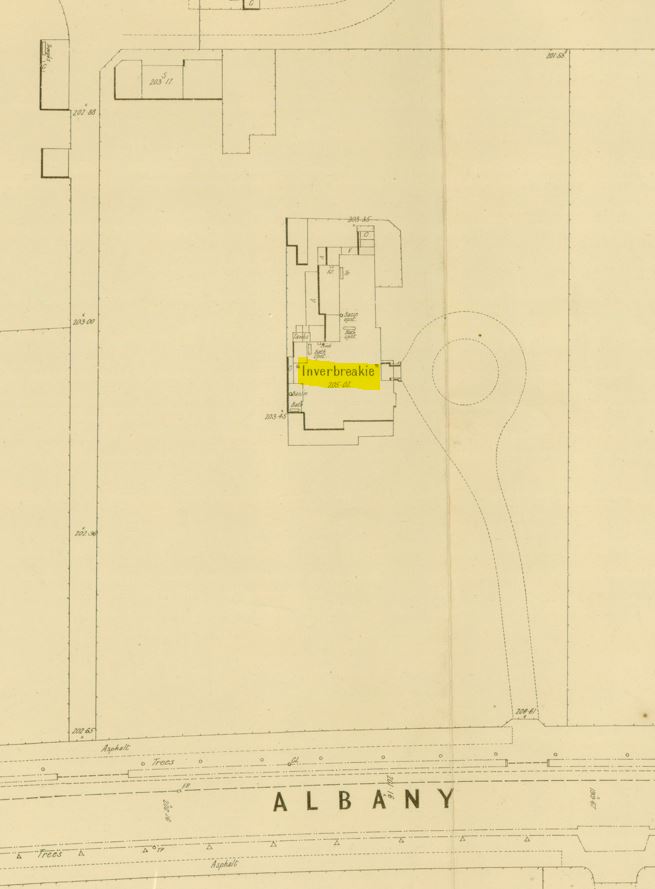
Inverbreckie, Albany Road, Toorak, 1901
Figure 22a1: Courtesy of the State Library Victoria
http://handle.slv.vic.gov.au/10381/125708
I can be fairly certain that Marion’s debut was held here as her other brother, Simon jnr, Martin’s elder brother, was born in St Kilda, and Marion’s debut article clearly states the celebration was held at Toorak. Simon’s birth notice had a house name included as well. Yay!

So sometime after August 1886 and before May 1888, Marion and the Frasers moved to Inverbreckie. Look how close it was to Staunton. (Inverbreckie is on the right)

Figure 22c: Courtesy of the State Library Victoria
I wonder if this is how Marion and John met? John is 20 years of age at this stage. I imagine he is probably working at the family station, Mooloomoon at Moulamein, but back in town when necessary, just one street away from his future bride.
If this was the way they met, it was a very slim window of opportunity. Remember, John’s father is selling all of Staunton’s furniture in June 1887 when the Beales move in.
Talking of the Beales, we have a move-out date for them. Sometime after the ball in May of 1889, they left Staunton. This next article, printed just four months later, confirms the move.

Another house name was provided, and it is still in Toorak. I found out that “Sommariva” had a very interesting history. The Beales actually had this house commissioned and built. The name at a later time was shortened to “Oma”, and look where it was situated in Toorak.
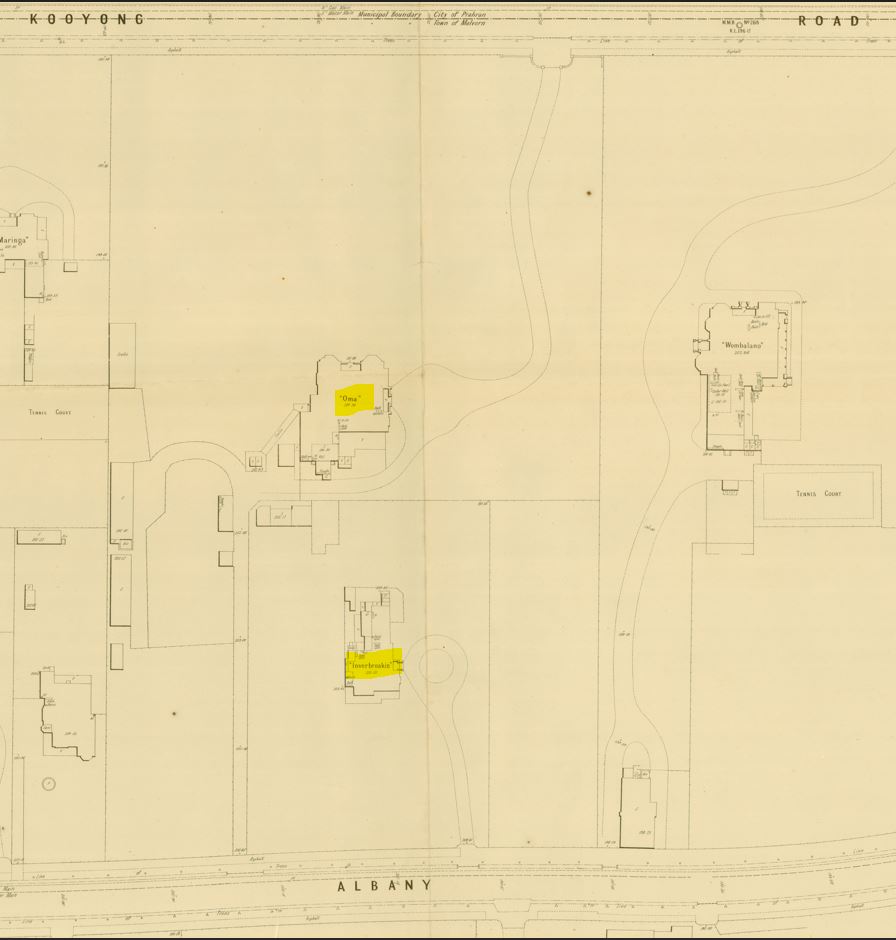
Figure 22e: Courtesy of the State Library Victoria
Right behind the Frasers in Inverbreackie. Interestingly, Oma had two entrances. One fronting onto Kooyong Road and one on Albany Road, right next door to Inverbreakie, which seems to have been used as the main entrance.
I wonder if it was the Beales who mentioned to the Frasers about their impending move to Oma and that Staunton would be up for let or sale. Perhaps this might be when Marion and John meet, at a meeting between their fathers about the sale of the property.
I wonder also if this ad below might be the sale notice for Staunton, from John Macvean to Simon Fraser in June 1888.


There is nothing to prove that it is other than the fact that I can find no other notification of a sale of a property in Irving Road at or around the time. Also, Staunton was known to sit on 3 acres of land. It is thin, I know, but still, it might be.
And here are the two contracting parties.
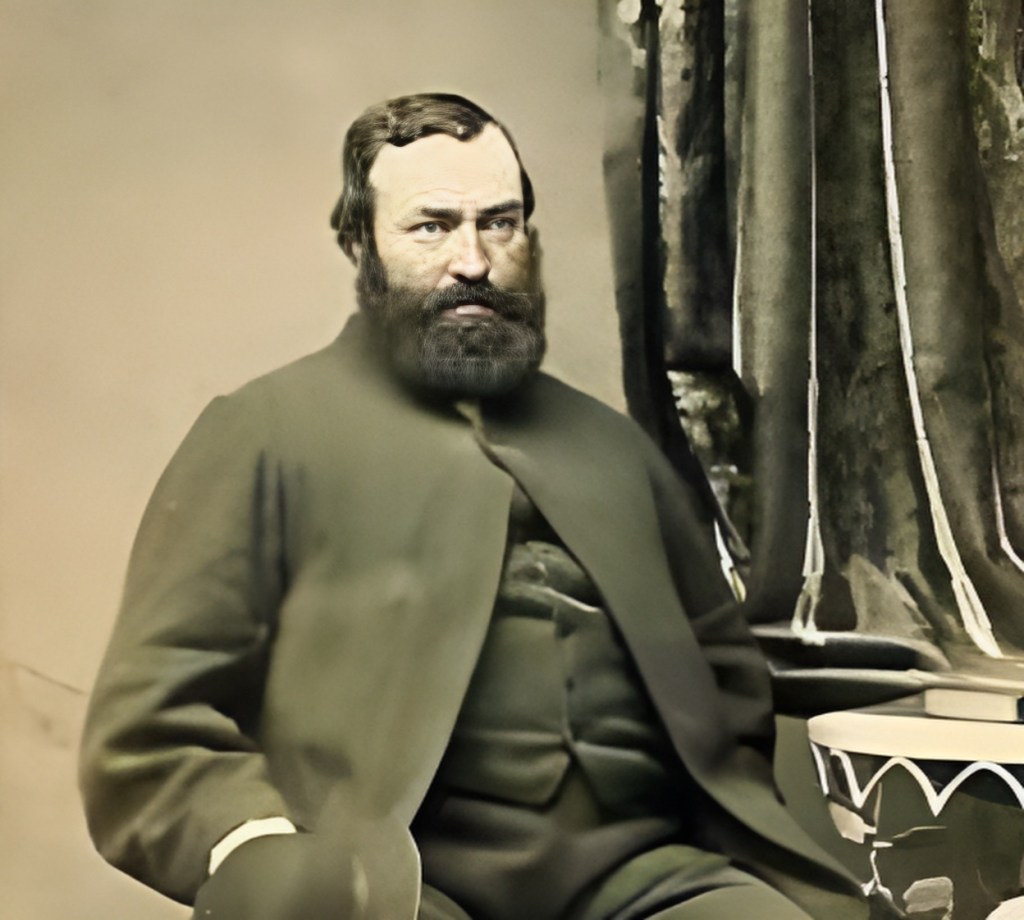
undated but thought to be mid-1870s
Figure 22f1: Courtesy of the Macvean Family Archives,
Generously shared by Sally M

undated but thought to be mid-1870s
Figure 22f11: Courtesy of Parliament of Victoria
https://www.parliament.vic.gov.au/members/simon-fraser/
Remember how I said that Sommariva had an interesting history? Well, after being there for only 6 months, Octavius Beale puts the estate on the market and moves himself and the family to Sydney.

Sommariva or Oma goes on for another 70 odd years. It also had another name change in 1906 when the new owners, Walter and Alice Simmons, named it for their Sheep Station “Nareeb”.
It was eventually demolished in 1965 on the death of Walter and Alice’s last living daughter, Gertrude. The land again, being of greater value, was divided into allotments rather than keeping an old Victorian mansion sitting on it. Amazingly, on the day of the sale that occurs of all of Nareeb’s household treasures, photos were taken of the house.
This was the Macvean and Fraser’s neighbours.
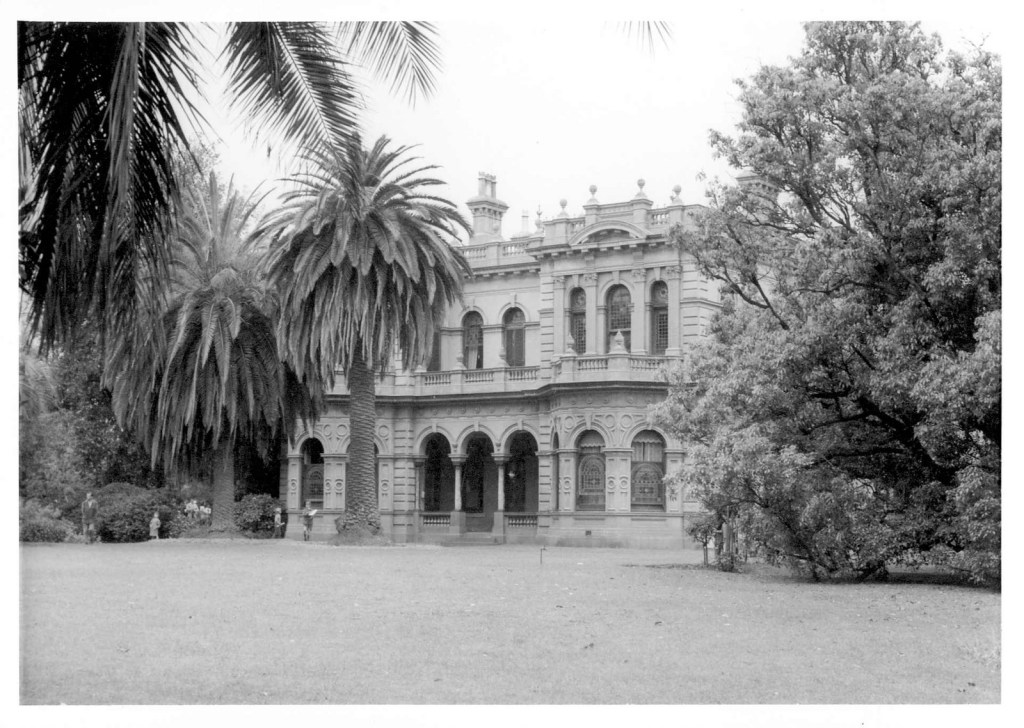
Figure 24a: Courtesy of the State Library Victoria
http://handle.slv.vic.gov.au/10381/4124232

Figure 24b: Courtesy of the State Library Victoria

Figure 24c: Courtesy of the State Library Victoria
What an incredible looking building and that is just seeing it from the outside. The stonework holding up the front entrance gates are the only piece of the estate to survive.

Figure 24d: Courtesy of the State Library Victoria
http://handle.slv.vic.gov.au/10381/4124211

Figure 24e: Courtesy of Google Maps
You will notice the iron gates are different. The original iron gates were donated to the Melbourne Botanical Gardens at the time Nareeb was demolished and can still be seen there today.
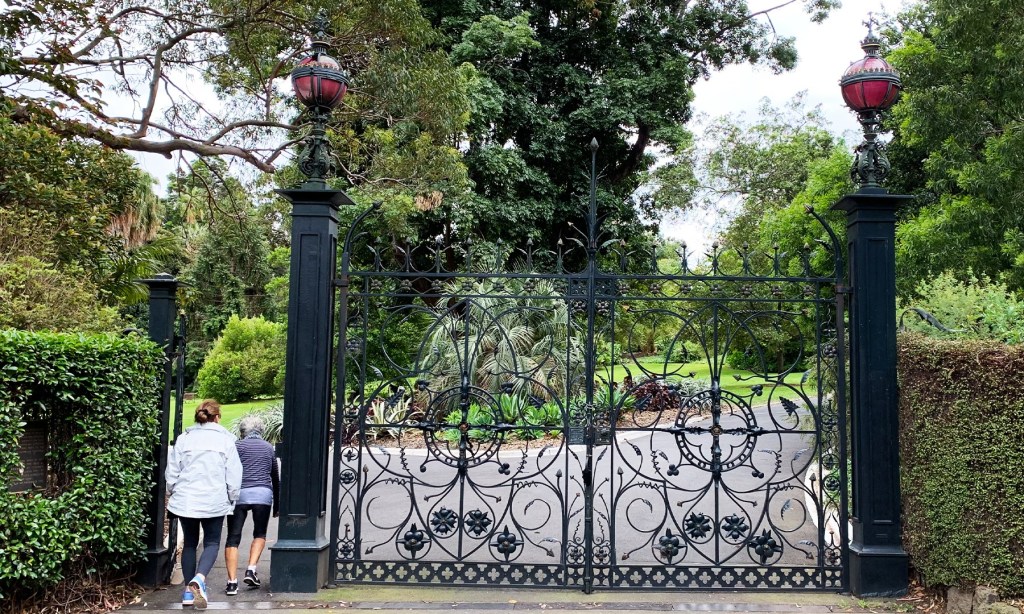
Figure 25: Courtesy of Facebook.com
https://www.facebook.com/photo/?fbid=2714763988547035&set=pcb.2714791878544246
And just to finish off this chapter of Sommariva, Oma and Nareeb, here is a wonderful 50-year comparison of Nareeb from the early 1910s and 1964.
Perhaps this is Gertrude and one of her other sisters at home in Nareeb. The young ladies are not named, but the photos are dated from when the Simmons were living there.

Figure 25a

Figure 25b
Figure 25a & 25b: Courtesy of the State Library Victoria
http://handle.slv.vic.gov.au/10381/465724
And here is the exact same spot fifty years later, just before it was demolished.
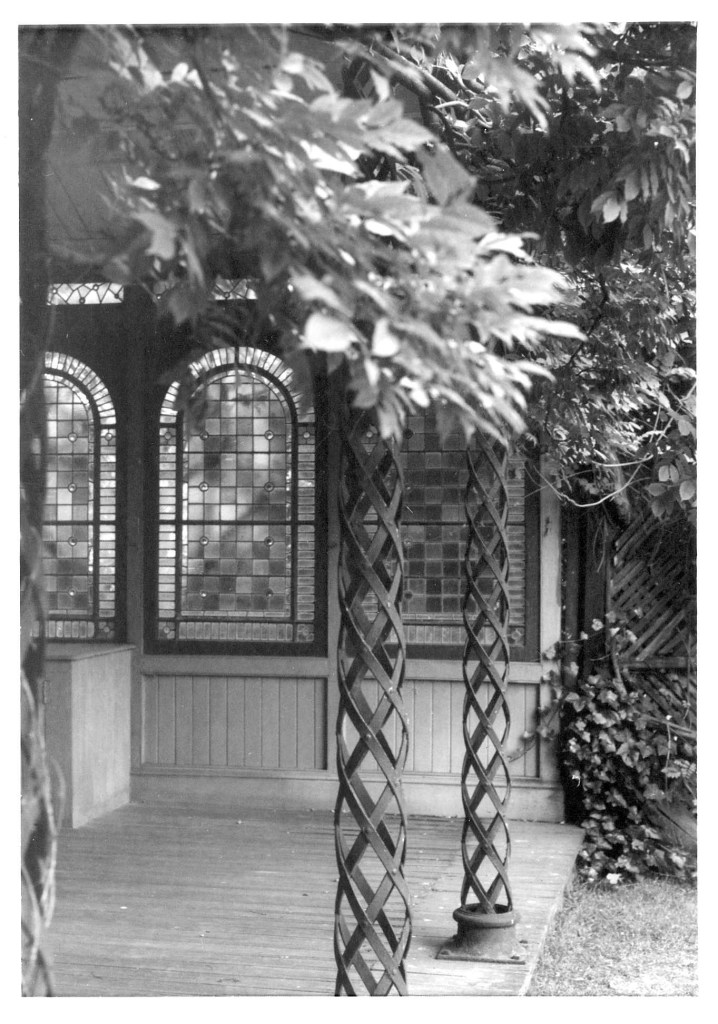
Figure 25c: Courtesy of the State Library Victoria
http://handle.slv.vic.gov.au/10381/465724
Before that rabbit hole of what the Macveans and Frasers were up to, we were talking about the Kinnears in Brookong House. So, back to them, and this wonderful article about an art exhibition that Robert and Rosalie held at Brookong. They were known for their extensive private art collection.
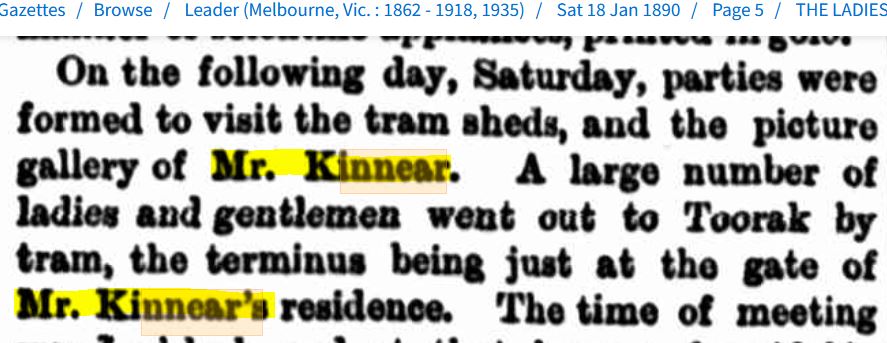
And you won’t believe this, in a random find the State Library Victoria had this incredible photo of the tram terminus in front of Brookong. Those with a keen eye will notice the gate stonework through the back window of the tram carriage on the left.

http://handle.slv.vic.gov.au/10381/338106
The art exhibition article continues.


Article 4: Courtesy of Trove, National Library of Australia
And in another random find, the portrait that is mentioned at the top of the last column just above, of Robert, Rosalie and some of their relatives, is actually in the collection of the Bendigo Art Gallery.
I found it on their Facebook page, where they very generously have shared a photograph of the painting.

Figure 25f: Courtesy of Bendigo Art Gallery Facebook page
https://www.facebook.com/BendigoArtGallery/posts/rosalie-n%C3%A9e-korn-and-robert-kinnear-emigrated-to-australia-from-scotland-in-1851/807568978132218/
It is thought that this was painted after Rosalie’s death, as her mother is pictured in half mourning dress. She died at just four years of age from diphtheria. https://www.facebook.com/BendigoArtGallery/posts/rosalie-n%C3%A9e-korn-and-robert-kinnear-emigrated-to-australia-from-scotland-in-1851/807568978132218/
Robert and Rosalie did lots of socialising over the years whilst at Brookong.

Figure 26: Courtesy of Trove, National Library of Australia 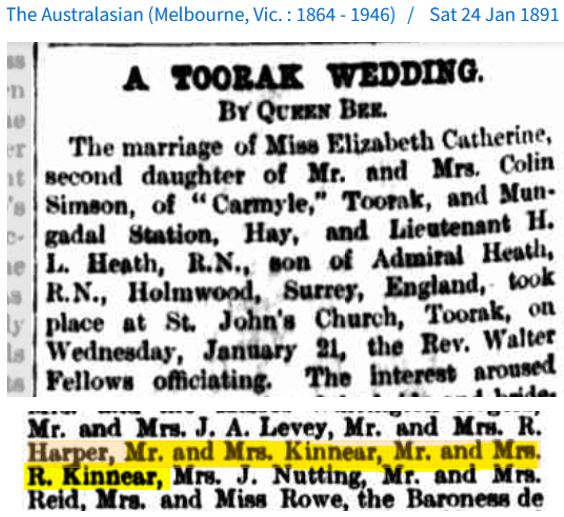


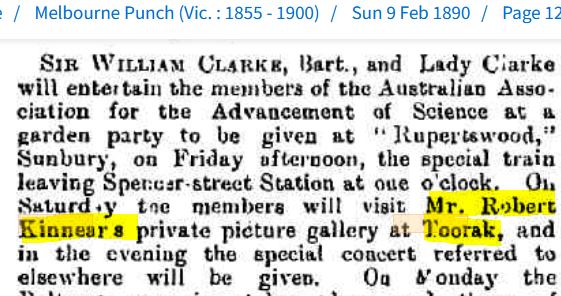
Tiled Gallery 3: Courtesy of Trove, National Library of Australia
Now that we have moved into the late 1880s, and the Staunton estate has been let, we know that we are very close to Simon, Anna, Marion and the boys taking up residency.
Here is our first mention of the Frasers being on Irving Road; it was an ad calling for tenders for alteration and decoration works to be carried out on Staunton.
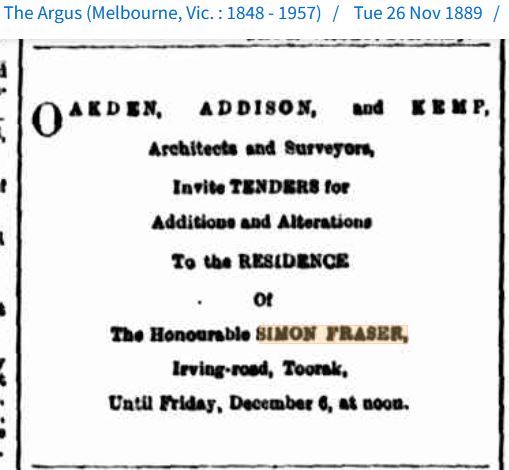
And here it is in all its glory, Norla (still no article confirming the name change), thanks to a photograph taken by one of the apprentice decorators who worked on it, Mr Charlie Hammond. Charlie was a budding amateur photographer at the time.

Photographer: Charlie Hammond (1870-1953)
Figure 26a: Courtesy of the State Library Victoria
http://handle.slv.vic.gov.au/10381/149381
Our next mention is a year later, with the birth notice of Marion’s youngest brother, John Neville Fraser.

Then, just two months after Neville’s birth, Anna and Simon are hosting a ball at Norla. I’m sure Marion would have been assisting with this as well, as she is still unmarried and presumably still living with them at this stage.

The next mention was in May 1891 and is quite strange. A lost notice for three seagulls.

And then the following year, we have an example of one of my favourite types of notices, a plain old domestic advert. They are such an insight into a world so different from ours now.

A Coachman who can handle three horses and milk a cow. I can just picture this scene, right out of “The Gilded Age”. The opulence and privilege of the family in Norla and then the staff providing the day-to-day chores at the back of the house, or below stairs.
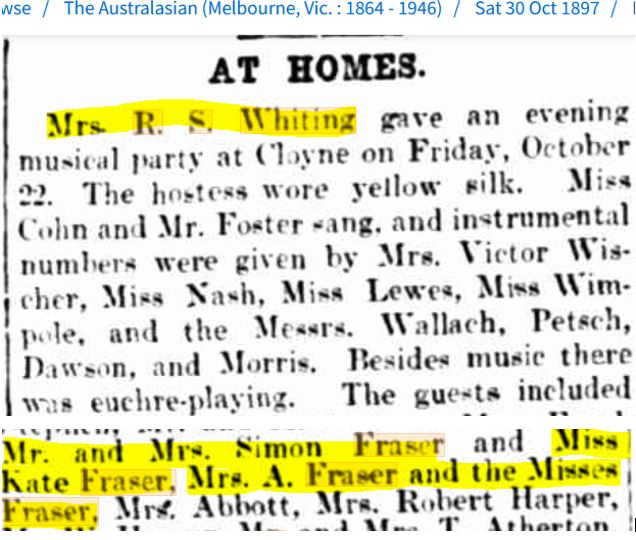
This next mention of Norla, two years later, was very interesting and confusing as hell.


Mrs R. S. Whiting, what? Who the hell is this in Norla? Oh no, I was thinking to myself, “…what have I done, how could I have got it so wrong? The Frasers should be living there at that time.”
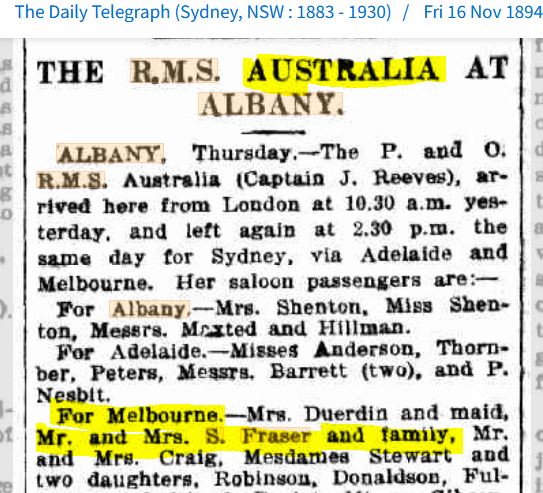
It’s all good; It took sometime but I found the Frasers on an incoming passenger list from November 1894. They were on their way back from London. So obviously they had let Norla out to the Whiting’s while they were away.


https://prov.vic.gov.au/archive/428BE78B-F96C-11E9-AE98-8F34A61BA797?image=134
This passenger list was a record of the family arriving at the port of Albany, in Western Australia, and I even found a mention of the arrival online in Trove.
Thanks to a very generous Ancestry.com.au user, Cheryl Fraser, I have photos of the family I can share with you, that is Anna and the three boys.
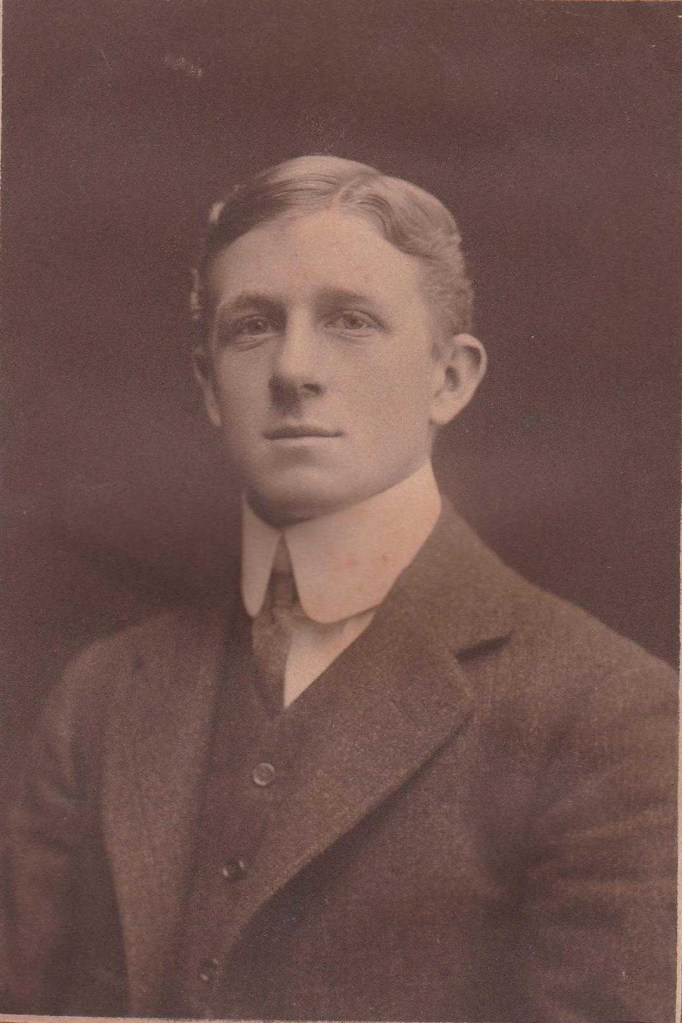
Figure 26d1: Courtesy of Ancestry.com.au
Generously shared by Cheryl Fraser

Figure 26d11: Courtesy of Ancestry.com.au
Generously shared by Cheryl Fraser
Simon and Anna must have known the Whitings well. There are lots of examples of them socialising at the same functions. A few examples below.

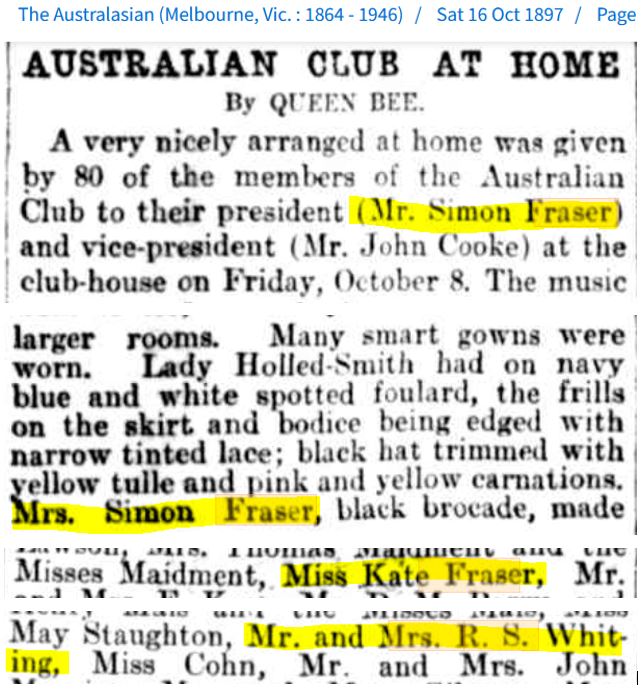


Tiled Gallery 4: Courtesy of Trove, National Library of Australia
Simon was even co-trustee with Mr Whiting on the will of another neighbour, Sir James MacBain, whose name appears on the map in (Figure 2) opposite Mr Lorimer’s land.
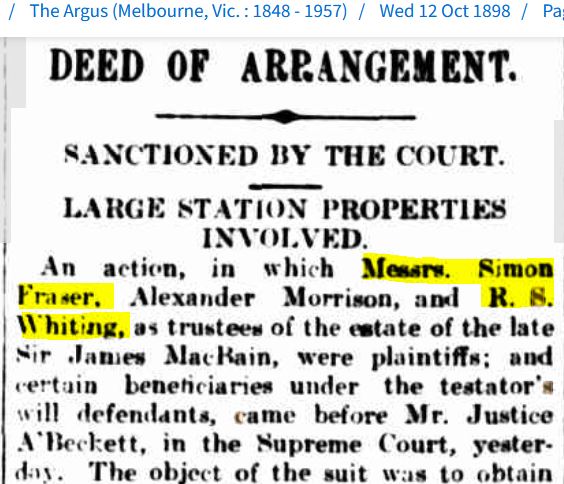
And now that I am aware of the Whiting name, look who I found at Marion and John’s wedding at Norla in December 1893.

According to a “Who’s Who in Australia” listing, Robert was a solicitor and pastoralist owning a number of sheep and cattle stations in the colonies of Queensland and Victoria. Mrs Whiting was Rosetta Whiting née Cohn.
I found a photograph of Robert with his business partner, Sir Rupert Clarke, at one of their properties, Avington in Queensland. I’m assuming one of the women with him might be Rosetta.

https://trove.nla.gov.au/work/237755650
The Frasers and the Whitings moved in the same circles together for over 35 years.


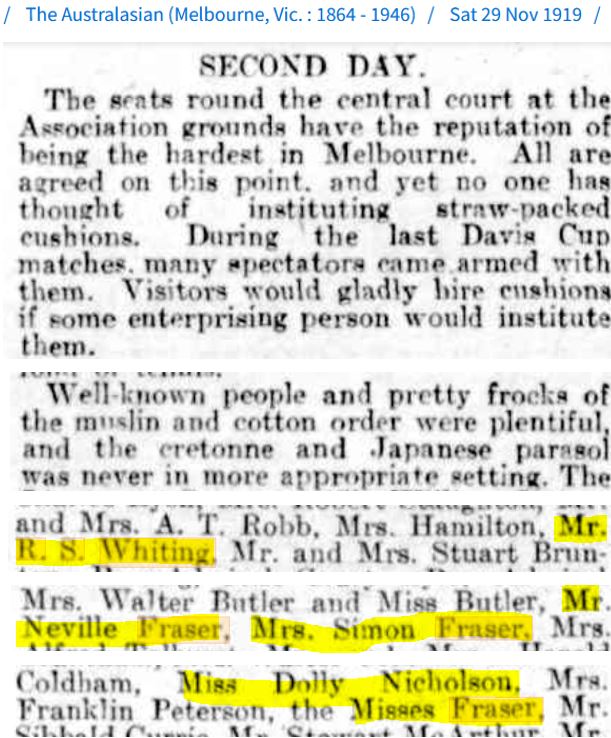

Tiled Gallery 5: Courtesy of Trove, National Library of Australia
Back to the Kinnears, Robert and Rosalie and Brookong House. A photograph of the house was taken somewhere in the late 1890s to early 1900s.

Figure 26h: Courtesy of the State Library Victoria
http://handle.slv.vic.gov.au/10381/299151
I wonder if the photo was taken because of the gardens. Robert and Rosalie both had reputations as good amateur horticulturists, and the Brookong gardens were well known in Melbourne society.

Then tragedy strikes the household. On March 16th, 1900, in Ladysmith, South Africa, Rosalie and Robert’s grandson, also named Robert Hill Kinnear, died of enteric fever. He was there fighting the Boers on behalf of the British.

Figure 27a: Courtesy of Trove, National Library of Australia
Robert was 21 years of age and had only been in South Africa for 10 months when he died. He was initially part of the 3rd Battalion Black Watch but had moved to the 5th Dragoon Guards sometime before his death. http://nla.gov.au/nla.news-article139779617
Robert was the son of Robert Shiell Kinnear, Rosalie and Robert’s only son and his wife, Mary Watson Kinnear née Jeffray.
Then two years after his grandson’s death, Robert passed away.

Rosalie and Robert were just two months shy of their 55th Wedding Anniversary at the time of his death.
Robert and Mary had their own drama occur just a couple of years after their sons death.
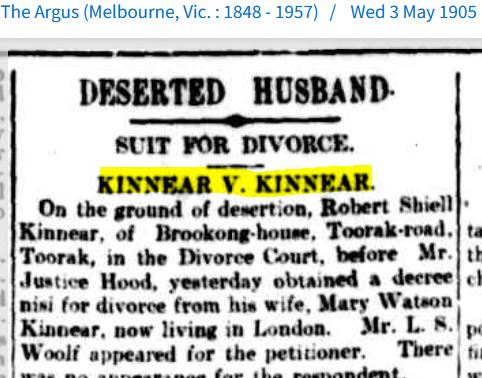
Yes, quite unusual for the time but Mary deserted Robert. There is a very interesting article in Trove that goes into the full details of the ordeal and has printed copies of the letters that Robert and Mary exchanged to each other talking about their breakup.
Basically, Mary had not been happy for a long time in the marriage and living in Australia as a pastoralist’s wife. She took the opportunity of accompanying their son Robert to England in the 1890s when they sent him to complete his secondary studies. Mary stayed on for several years, always writing back to confirm with Robert that he was approving of her decision to stay on.
Then, after the death of their son in South Africa, Mary went to Ladysmith to visit Robert’s grave and took the opportunity to write to her husband and inform him that she wouldn’t be returning. Mary was the one who suggested that Robert apply for the divorce and name her as the deserting party, as her mind was made up and she wouldn’t be returning.
Their letters are very poignant, and if you are interested, here is the link to the full article in Trove. https://trove.nla.gov.au/newspaper/article/139805694?searchTerm=%22robert%20kinnear%22
According to information on various family trees on Ancestry, Robert was remarried later that same year, and his second son, Robert Norman, was born not even 12 months later, on the 26th of March 1906. The information indicates that he was born in Toorak, so I’m thinking it was probably at Brookong.
I next found this fantastic article on Rosalie, who was celebrating a birthday milestone in 1912.

Rosalie makes it another 16 months and then her story comes to a close.
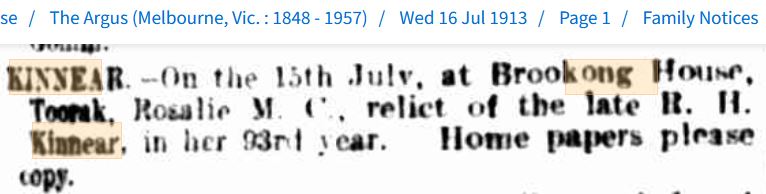

The house and estate were put on the market for the third time since it was built in 1869.

It was sold at the end of the month, and the estate was broken up into allotments, but thankfully, Brookong escaped the wreckers ball.

Seven months later, a notification appeared in the Melbourne “Table Talk” newspaper that a King’s Counsel by the name of Mr Edward Fancourt Mitchell had purchased Brookong.

Edward was a very successful barrister at the Victorian Bar who specialised in the fields of constitutional and equity law. He was Knighted in 1918. He and his wife, Eliza Fraser Morrison had very interesting lives and if you want to know more check out this link. https://adb.anu.edu.au/biography/mitchell-sir-edward-fancourt-7603


Figure 34: Courtesy of the National Portrait Gallery
https://www.npg.org.uk/collections/search/use-this-image/?mkey=mw51527
Just to remind you that Marion’s father, Sir Simon Fraser and her step-mother, Lady Anna Bertha Fraser, are still in residency in Norla at this time, and I’m sure would have known their neighbours, the Mitchells.
Scratch that, after completing a little more reading on the Mitchells, it may be that Marion and the Frasers might not have known them personally, but rather by reputation. The next article explains.
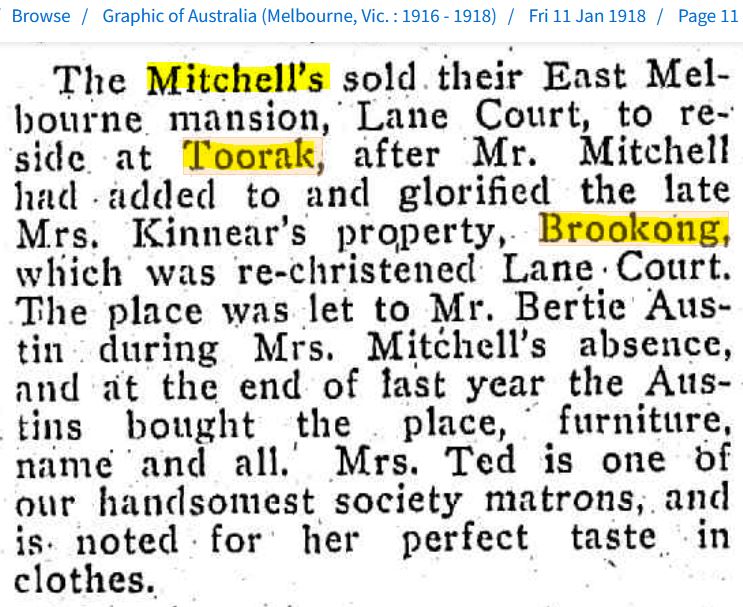
The standouts for me from that piece, “glorified” and “Mrs Ted”.
Lady Mitchell, apart from her perfect taste in clothes, was actually trapped in the UK throughout the war and didn’t return to Australia. While she was there, she helped to establish the Australian Detachment of the Red Cross Society and was appointed its first Commandant. She was also crucial in the establishment of the “Society of Overseas Settlement for British Women” in Victoria when she finally returned to Australia in 1919. https://www.vic.gov.au/lady-eliza-mitchell-cbe
This next article explains what the new owners, the Austins, were doing with Brookong.

The Austins were not just glorifying but reglorifying and extending the building. Oh yeah, I forgot to mention, another name change. But it looks like it was renamed to Fanecourt, not Lane Court.
The Austins referred to here, I have worked out, were Mr Bertie Austin, or Albert Austin Jr, and his wife, Margaret, “Daisy” Austin née MacKenzie and their family. Bertie’s parents, Albert and Catherine Austin, owned “Eilyer” in Albert Road, Toorak, the house where they were sheltering. https://trove.nla.gov.au/newspaper/article/130036338?searchTerm=%22austin%22%22toorak%22
Eilyer must have been very important to Bertie and Daisy because they, in turn, renamed Fanecourt to Eilyer in honour of the original family home, which is pictured below.

Built in 1888 by Albert Austin Snr
Figure 36a: Courtesy of the State Library Victoria
http://handle.slv.vic.gov.au/10381/295332
I managed to locate this original Eilyer on the Melbourne and Metropolitan Board of Works Maps. Excuse the messy job, but I had to stitch together two maps to show where Eilyer was in relation to Norla. Just over Kooyong Road and down Albany Road a bit.

Figure 36a1: Courtesy of the State Library Victoria
If the map continued, Norla would sit right here on the left where the word “continued” sits. Below is Eilyer in close-up.

Figure 36a11: Courtesy of the State Library Victoria
http://handle.slv.vic.gov.au/10381/125684
And look who I found had a stint at living in Eilyer back in 1895.

The Whitings! They must have gone from Norla straight to Eilyer.
Eilyer was sold in 1918 after Bertie’s mother, Catherine, died.

And then, the shame of it, there was no fanfare, or articles in the press questioning why; it was just demolished, and the land subdivided into allotments.

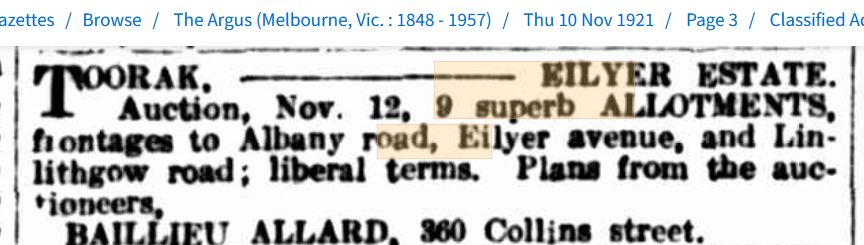
Returning to (Figure 36) for a moment. I was able to confirm the Austins’ renaming of Fanecourt (the old Brookong House) to Eilyer from an article printed on Bertie and Daisy’s son, Ronald Austin.
The article was discussing Ronald being awarded the Military Cross, and in addition to that, announcing that Bertie and Daisy, his parents, were about to leave for Egypt. Bertie had been appointed the Red Cross Commissioner.

I have managed to find one photo of Bertie with his father, Albert and three of his brothers. They are not identified as to where they are positioned in the photo, so Bertie is one of the younger blokes pictured with his dad below.
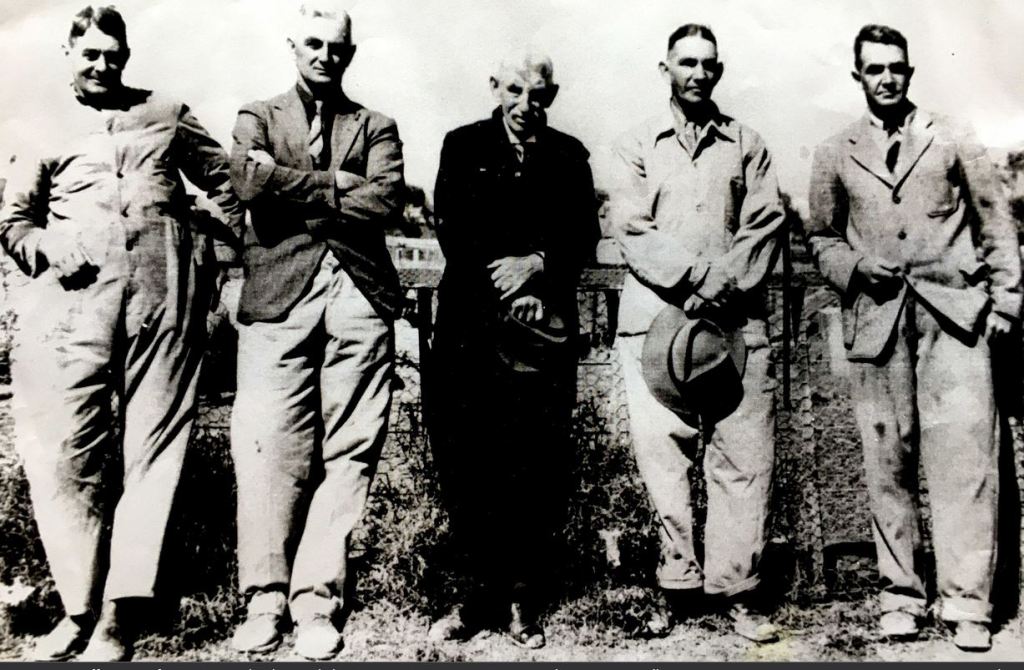
Figure 38: Courtesy of Ancestry.com.au
Generously shared by David Palmer
Now I can’t find a for sale notice from the Austins once their tenure is finished in the house, but this is the last notice I have for them in 1927.
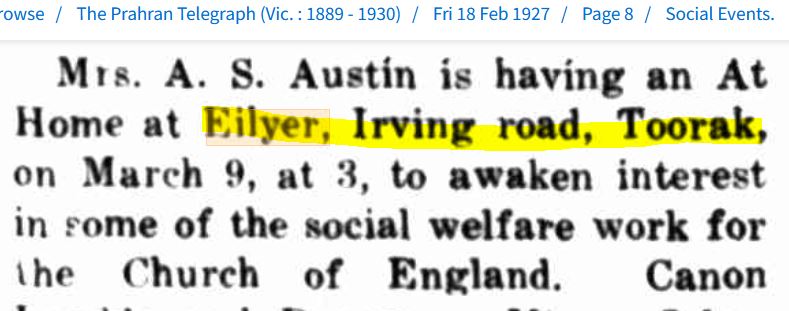
The next notice, which is six years later, explains what the next chapter of the house was.
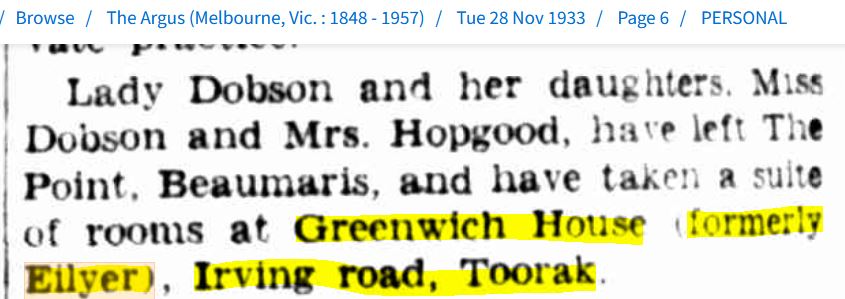
It became an upmarket boarding house. We can be certain that this is the old Fanecourt, Brookong and Lorimer House, as I found a Statement of Significance for the house on the Victorian Heritage Register that confirms the link.
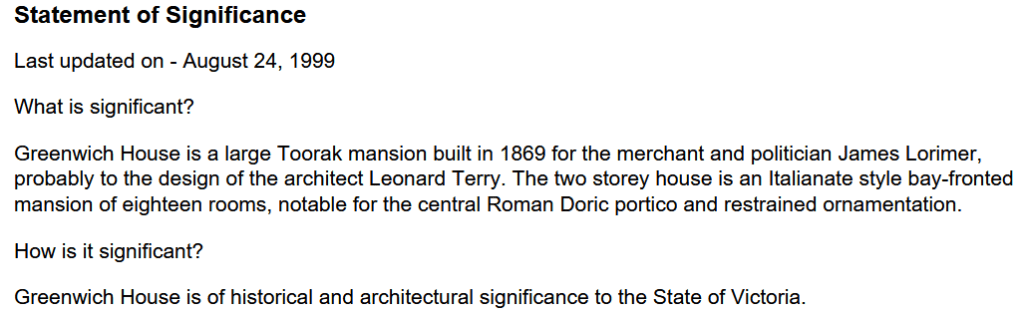
https://vhd.heritagecouncil.vic.gov.au/places/1162/download-report
I think it must have been sometime in early 1928 that the Austins moved out and Eilyer became Greenwich House, as this ad below is the first mention of it as having vacancies, suggesting it was being rented out.
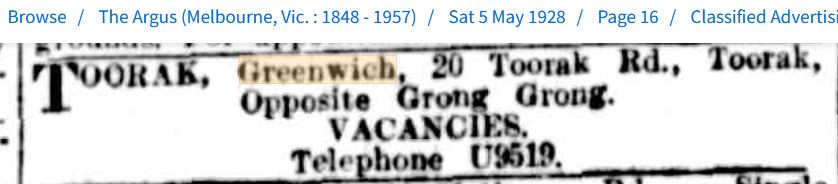
Greenwich continued to escape the wrecking ball and remained a boarding house for the next three decades.

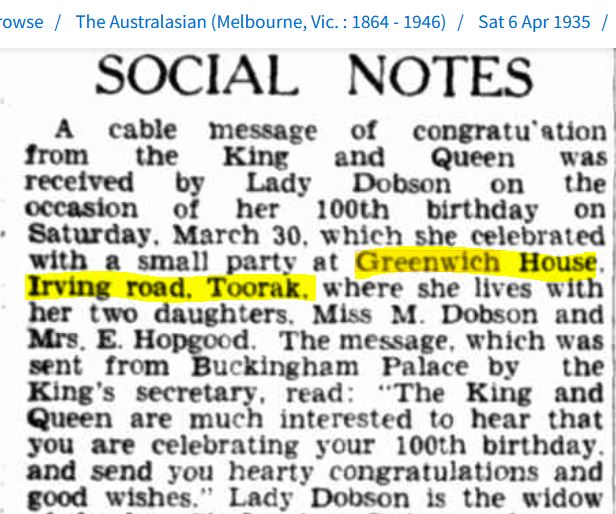
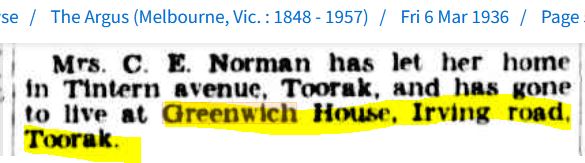


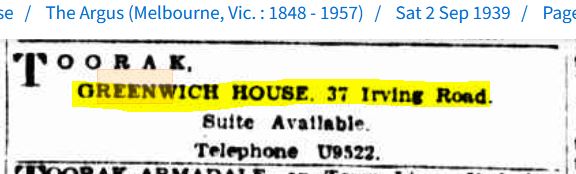


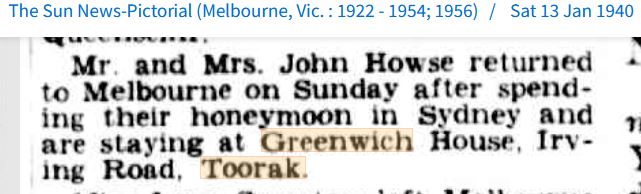
Tiled Gallery 6: Courtesy of Trove, National Library of Australia
Then, in 1954, it was put up for sale once again. Note the new numbering, which is still in place today. (Yes, spoiler, the house still stands today.)

This was the next notice I found for the property.

Then all goes silent. There are no further mentions of Greenwich House or what happened to it after this “passed in” notice.
But then I checked out the Victorian Heritage Report in more detail, and it actually sheds some light on what happened next.


Figure 45 : Courtesy of Victorian Heritage Council
https://vhd.heritagecouncil.vic.gov.au/places/1162/download-report
I can find no record of the Navy’s use of the house anywhere online, but what I did find was this next notice, from thirty years later.
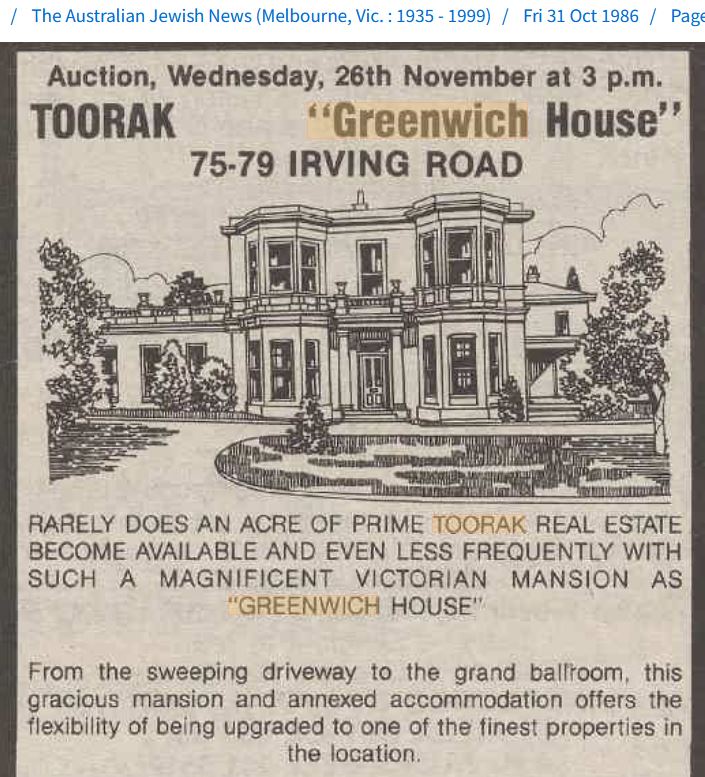
There it is, still standing 116 years after it was built, being sold for the fifth time, and it was sold. I can confirm the next owners who purchased it at the time, have been in residence ever since.
Yes, Lorimer House has served as the Chinese Consulate since 1986. https://vhd.heritagecouncil.vic.gov.au/places/1162/download-report
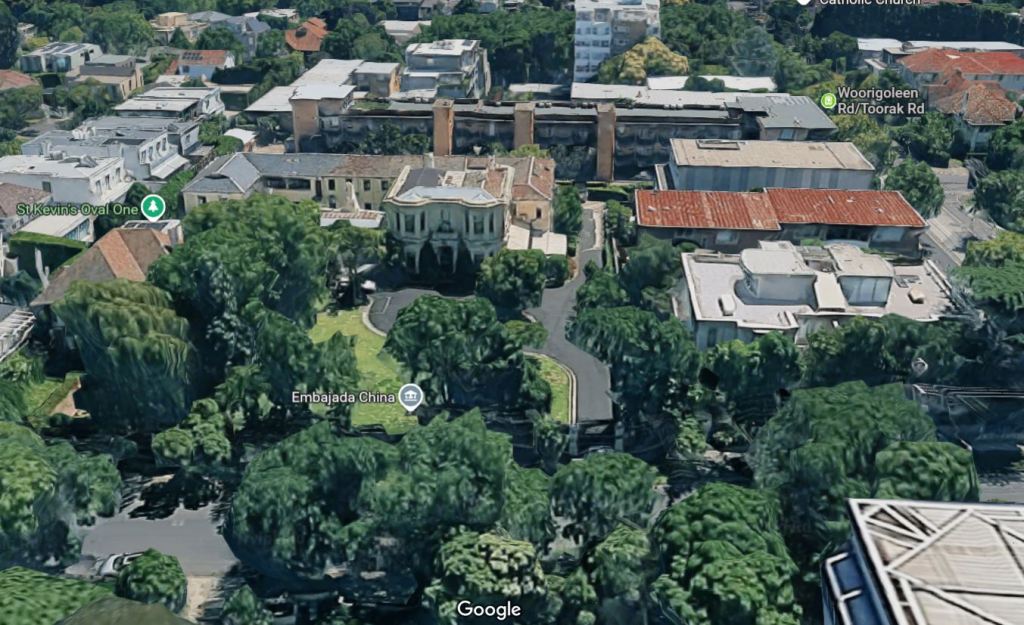
Figure 47: Courtesy of Google Maps
I can’t imagine what all those previous owners would think of it today. All of the amazing gardens gone and built out with buildings they could never have envisioned but at least the main house is basically intact and still recognisable.

Irving Road, Toorak, Melbourne, Undated
Figure 48: Courtesy of the Victorian Heritage Database
https://vhd.heritagecouncil.vic.gov.au/places/1162
So, twenty minutes reading time in and we have officially discussed just two of the neighbours of Staunton so far, Mr Prell and Mr Lorimer. But I think the trove of information I have been able to uncover on their stories and then, in turn, the stories of the families that followed them, really locks in that the Macvean family home and the Fraser family home are one and the same.
Staunton/Norla, Irving Road, Toorak.
Here is the site today with its original set out from 1901 for comparison below.
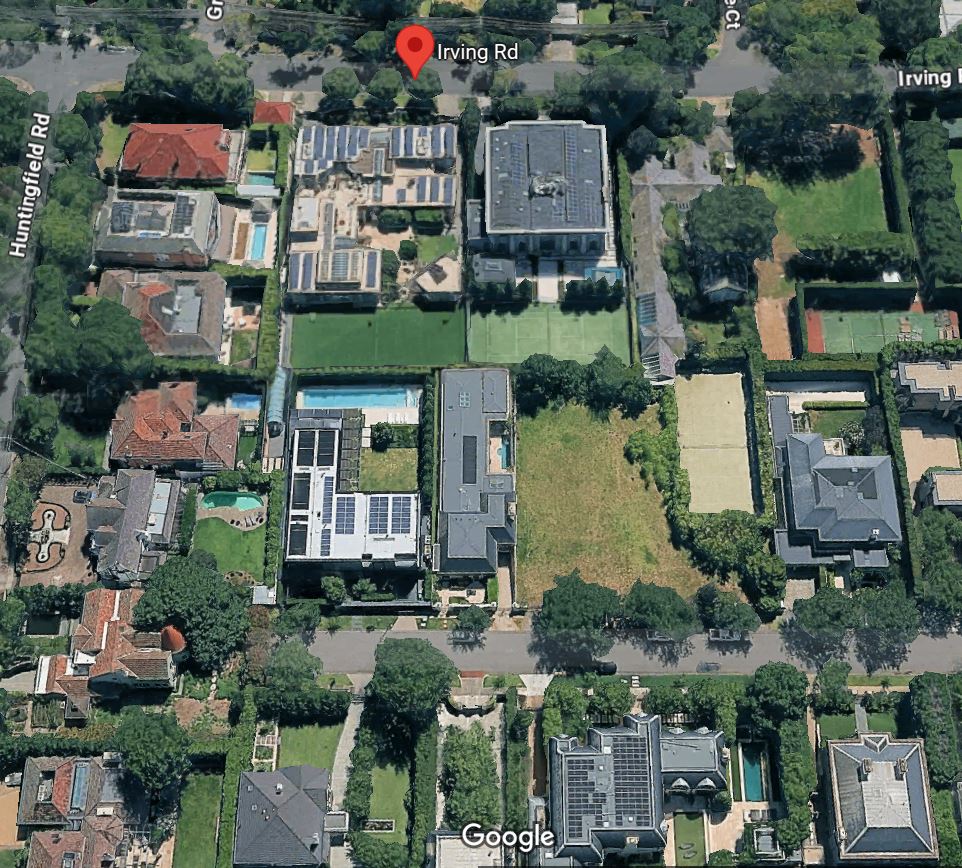
Irving Road, Toorak, Melbourne 2025
Figure 49: Courtesy of Google Maps
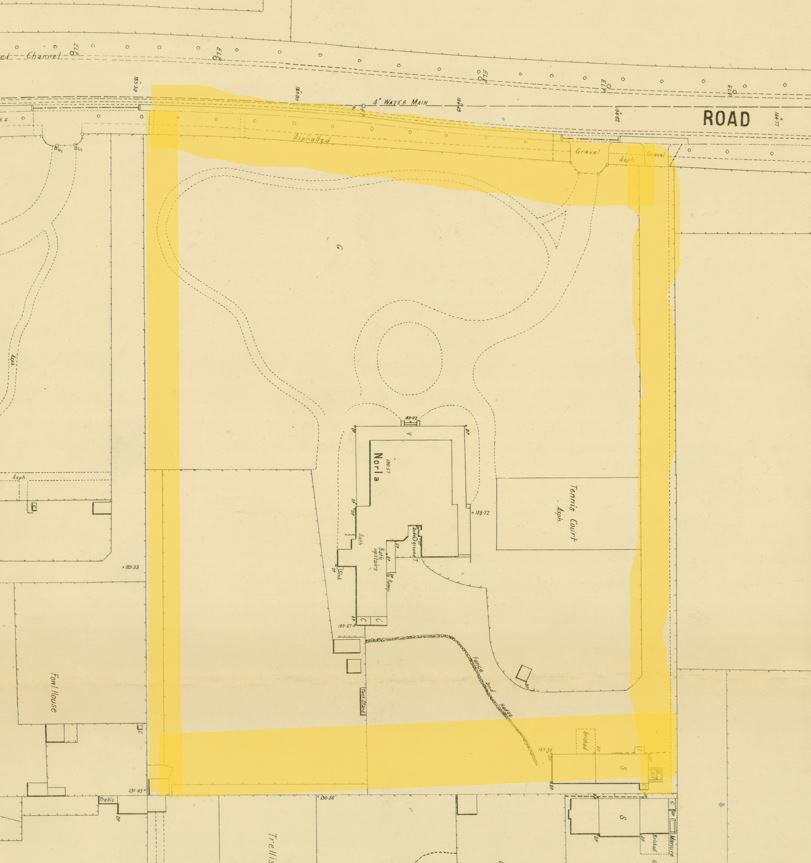
Melbourne and Metropolitan Board of Works detail plan. no. 976
Figure 50: Courtesy of the State Library Victoria
There are still many more neighbours of the Macveans and the Frasers, with fascinating stories to share with you. Look out for Part Two soon.
 JOHN'S FAMILY HISTORY