
My 1st Cousin 4 Times Removed
Banner Image: “Herbert Street, Boulia, Queensland, ca. 1903” Courtesy of the State Library of Queensland
https://collections.slq.qld.gov.au/viewer/IE383856
This was going to be a quick post to share a fantastic find about Donald, that I uncovered on the Museum of History, New South Wales (MHNSW) website. I had to rethink the quick aspect, as this fantastic find led me to a trove of information on Donald’s life and some of his family too. Most of it has been buried for more than a century, so buckle in people, as I’m going to share it now.
But first to the fantastic find. It is a photograph of Donald. I’m presuming it was to commemorate his graduation from the School of Medicine at Edinburgh University as he is holding a graduation hat and wearing a gown. I’m good hey?

Figure 1: Courtesy of the Museum of History New South Wales
https://search.records.nsw.gov.au/permalink/f/1e5kcq1/ADLIB_RNSW112612529
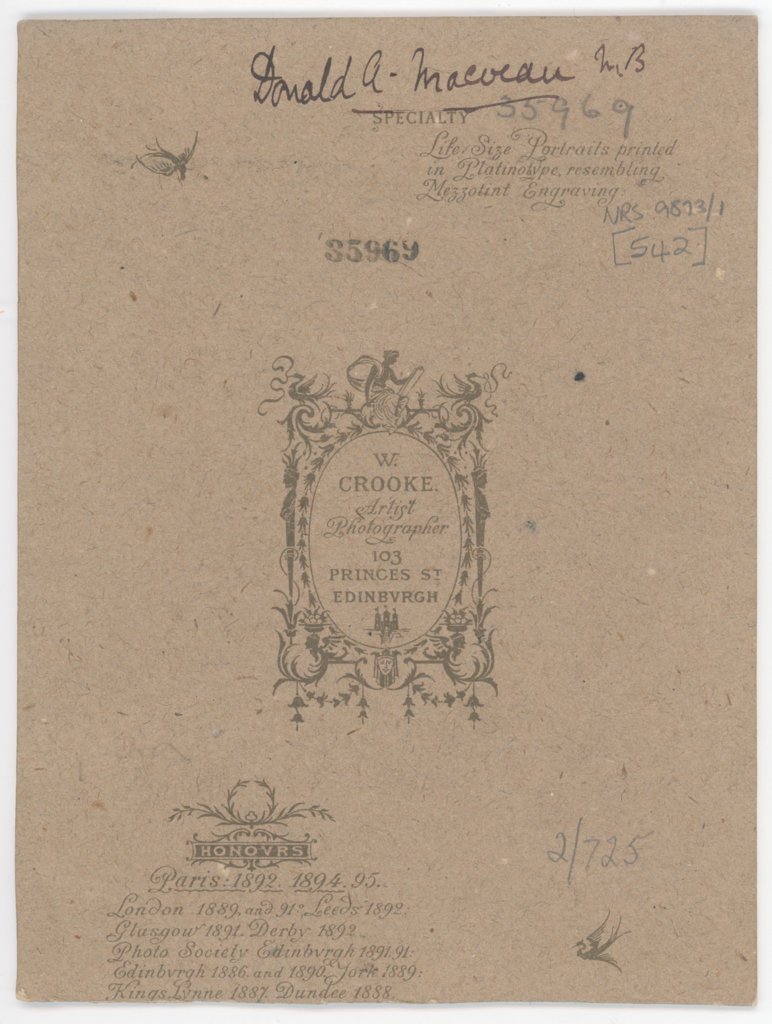
Figure 2: Courtesy of the Museum of History New South Wales
https://search.records.nsw.gov.au/permalink/f/1e5kcq1/ADLIB_RNSW112612529
What a photo to uncover and thank you to whoever took the time to write Donald’s name on it, perhaps it is even in Donald’s own hand.
I did wonder as to why MHNSW would have a photo of Donald in their collection. Google our old friend provided the answer once again. Apparently Doctors were required to submit a photograph as part of their registration process, this was to assist in stopping people from fraudulently impersonating themselves as doctors. This requirement was in place from 1889 till 1927. http://www.gp.org.au/history.html
There is no other information in the MHNSW database with the photo but now, with my recent experience with old photos, I know to turn to the details on the back, Figure 2.
William Crooke the photographer, established his studio at 103 Princes Street, Edinburgh in 1883. By the time Donald was sitting for this portrait, William had become an acclaimed photographer amongst the aristocratic class of Edinburgh. http://historiccamera.com/cgi-bin/librarium2/pm.cgi?action=app_display&app=datasheet&app_id=1866
This is the site of William’s studio below, as of 2022.
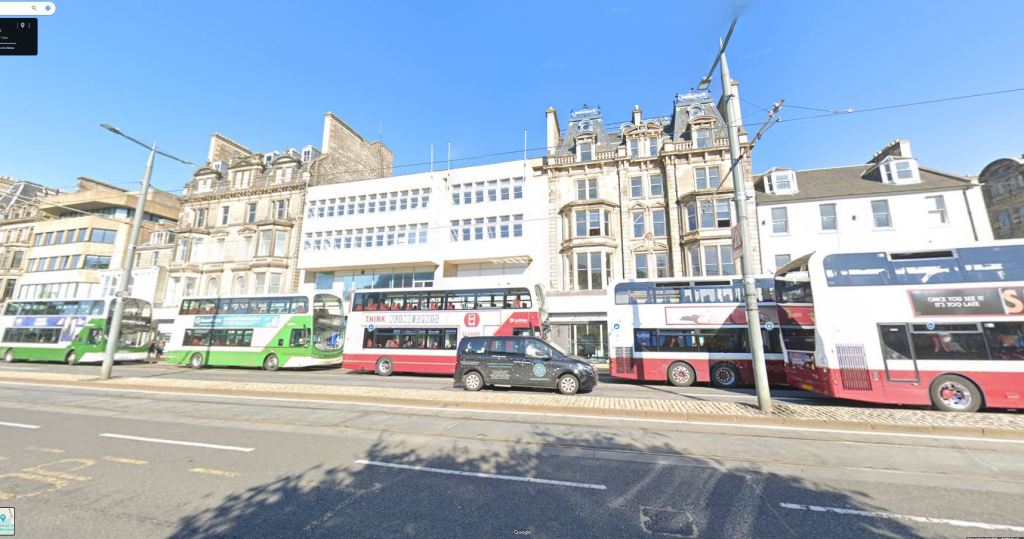
Figure 3: Courtesy of Google Maps
It is the cream coloured modern building in the middle of the photo. 101 is on the right moving left towards, 102 and 103 on the very left butting up to the historic building with the bay windows.
I stumbled (which is how it usually happens) onto a fantastic photographic site of historic views of Edinburgh, called, “Capital Collections“. I found a photo from 1960 that shows there were originally three separate buildings standing on the site, which makes sense, 101-103.

Figure 4: Courtesy of Capital Collections
https://www.capitalcollections.org.uk/view-item?i=24057
You can see the first two buildings on the right in the 1960 photo, are still standing there in the 2022 photo as well as the building on the left with the Smalls name displayed on it.
I managed to find a close-up photo of 102 Princes Street from 1958 that shows the edge of 103 (on the left) and presumably the entrance into Mr Crooke’s studio that Donald would have used sixty years earlier.
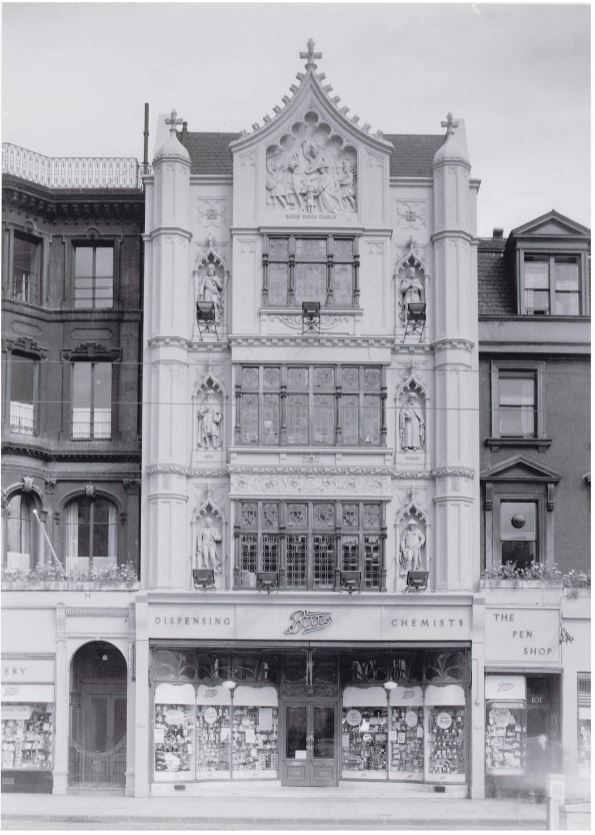
Figure 5: Courtesy of Capital Collections
https://www.capitalcollections.org.uk/view-item?i=8150

Figure 6: Courtesy of Capital Collections
https://www.capitalcollections.org.uk/view-item?i=8150
What a gorgeous old facade and to think it was demolished for that, in my opinion, ugly modern box.
I also managed to find a photo of the interior of Mr Crooke’s studio taken in 1911. If you look closely at the chair in the foreground and compare it with the photograph of Donald above, I think it might be the same chair that he is sitting in.
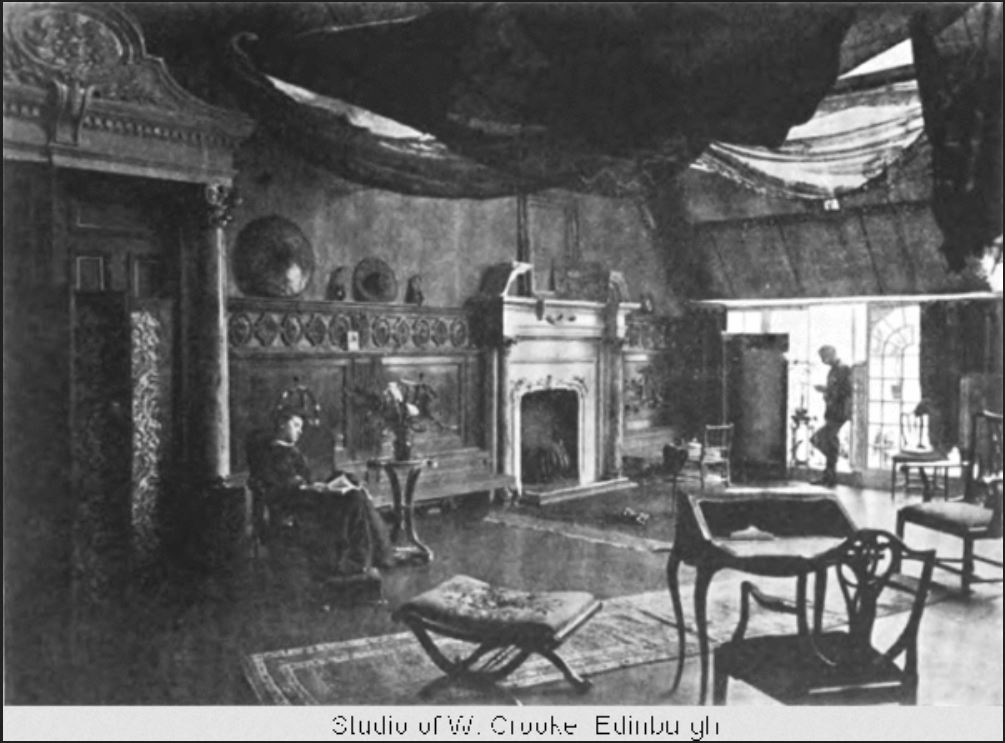
Figure 7: Courtesy of Historic Camera http://historiccamera.com/cgi-bin/librarium2/pm.cgi?action=app_display&app=datasheet&app_id=1866
Frustratingly, I can’t find an exact graduation date for Donald from the School of Medicine but I did find an historic listing of his matriculation into the course in 1893. He was 18 years old at the time.

Figure 8: Courtesy of The University of Edinburgh https://collections.ed.ac.uk/alumni/record/69050?highlight=macvean
I have briefly mentioned Donald before in my post from June of this year, titled, “Long Lost Family Found!” It is the post that I wrote about the long-lost album of family photos I purchased on E Bay, which just happened to have an identified photo of Donald in the collection.

Figure 8a: Courtesy of the Macvean Family Archives

Figure 8b: Courtesy of the Macvean Family Archives
This photo was taken in 1891 when Donald was 16 years of age. At the time, he and his younger sister, Margaret, lived with their aunt, Margaret Begg. Margaret was the sister of their mother Helen. These details came from the 1891 Census I discovered on Ancestry.com.au. They are miss-named but it is definitely them.
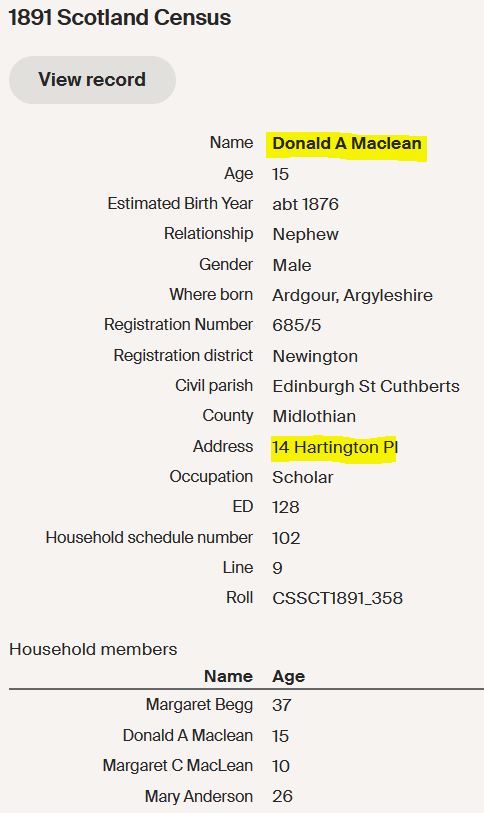
The reason Donald and his sister Margaret were living there was that both their parents had died by this stage. Helen, their mother, had passed away nearly two years earlier on the 14th October 1889.

Did you notice the address where Helen passed away? It looks like she and the children had moved in together with her sister, Margaret.
Their father, the Rev. Duncan Cameron Macvean had been dead almost nine years by this time, having passed away on the 13th of January 1882.

If you look back up at Figure 8, Donald’s matriculation document, it gives us a clue as to where he, his mother and sister might have been after his father’s death. It states that Donald had attended Falkirk High School for five years.
We are so lucky, I found a photograph of the actual school Donald attended in Falkirk. It operated from 1886-1898. If he had been there for five years, Donald would have been one of the first pupils enrolled in 1886.

Figure 8e1: Courtesy of Falkirk Local History Society https://falkirklocalhistory.club/around-the-area/schools/the-schools-of-falkirk/falkirk-high-school-i-1886-1898/
And the reason for the move to Falkirk? It is where Donald’s grandparents were living, his mother’s parents. The Rev. William Begg, Doctor of Divinity and Helen Pagan, his wife. There is no photo of either of them but there is, quite amazingly, a memorial bust of Rev. William that sits in the church shown below.
This is Donald’s grandfather.

Figure 8f: Courtesy of the Porter Family Tree, Ancestry.com.au
Generously shared by Richard Porter
This is the Old Parish Church of Falkirk, William was minister here for 44 years.
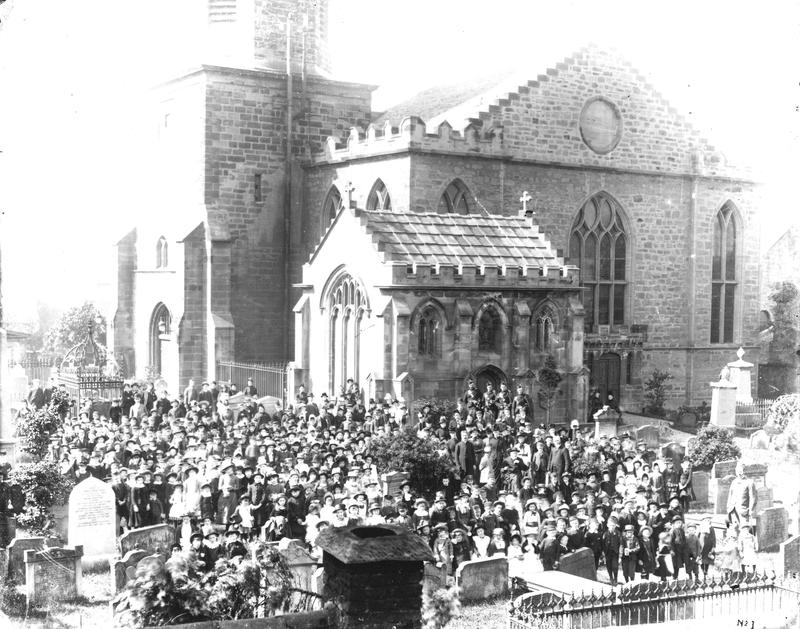
Figure 8g : Courtesy of Falkirk Council
https://collections.falkirk.gov.uk/objects/77309/crowd-outside-falkirk-old-parish-church
This church building was built in 1811 but there are parts of it that date to the 15th century. It is thought that there has been a christian church on the site since at least 800 A.D. https://collections.falkirk.gov.uk/objects/42610/falkirk-old-parish-church
This is the church as of 2017, shown below. It still stands today but as the site sits a top of a hill Google Maps can’t get close to take a more recent photo.

Figure 8h: Courtesy of the Qld Beggs Family Tree, Ancestry.com.au
And in an amazing stroke of luck, I was able to confirm from the Falkirk Local History Society that the manse where Rev. William and his wife Helen would have been living at the time, was situated on Maggie Wood’s Loan in Falkirk. The church purchased the house in 1851 and it was used for over a hundred years as the minister’s home. https://falkirklocalhistory.club/around-the-area/churches/falkirk-parish/falkirk-parish-church/
The manse itself, has miraculously survived and I found it online listed for sale back in 2022.
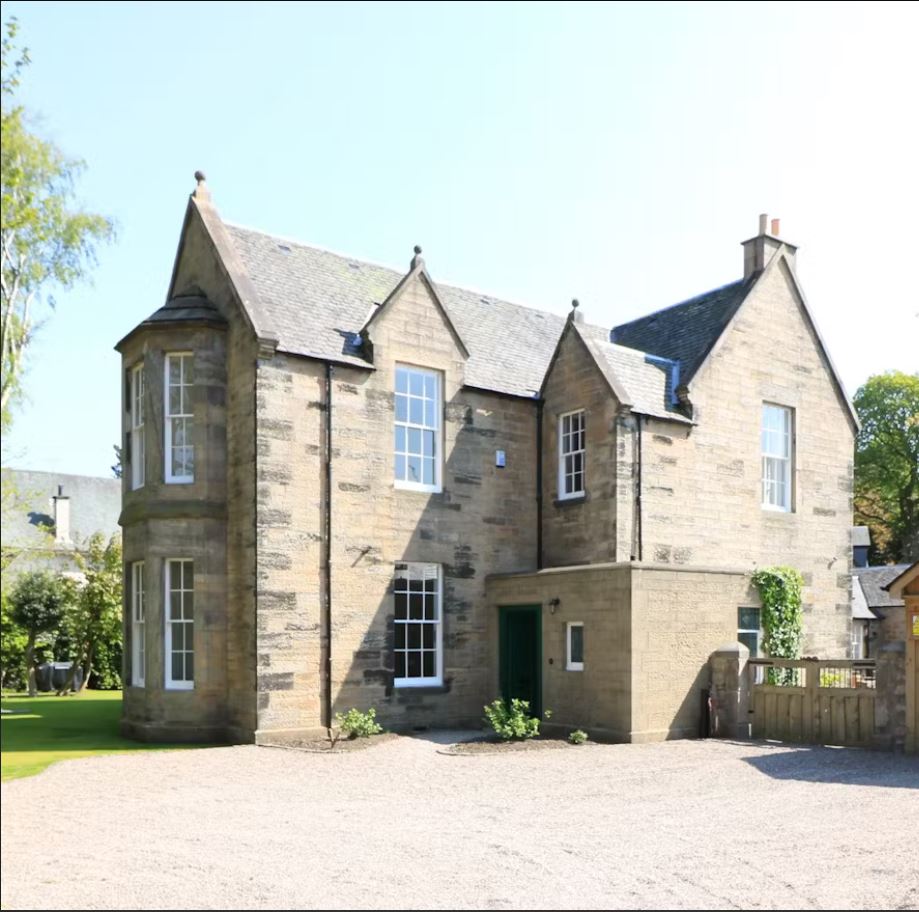
Maggie Wood’s Loan, Falkirk, 2022
Figure 8i: Courtesy of Purple Bricks Real Estate
https://www.purplebricks.co.uk/property-for-sale/7-bedroom-detached-house-falkirk-115737
This is where Donald was living with his mother, sister and his grandparents after his father’s death. I plotted on the map below, the manse, the church and the high school to show where they were in relation to each other.

The manse, which sits in the Arnot Grange just off the loan, also happens to be the place where Donald’s parents were married back in October 1871. The ceremony was performed by his grandfather, Rev. William Begg.

If you look back at Figure 8 again, you will see that it also notes that Donald was attending George Watson’s School after finishing at Falkirk High School. This matches with the time when he was living with his aunt in 1891.
George Watson’s school has an extraordinarily long history, having been established in 1741 on Heriot’s Croft just off Lauriston Place in Edinburgh. In 1869 due to looming government reforms, the school governors transformed it into a day school and moved it just next door into the old Merchant Maidens Hospital building. https://en.wikipedia.org/wiki/George_Watson%27s_College
These fantastic photos below show the school as it was when Donald attended in 1891.
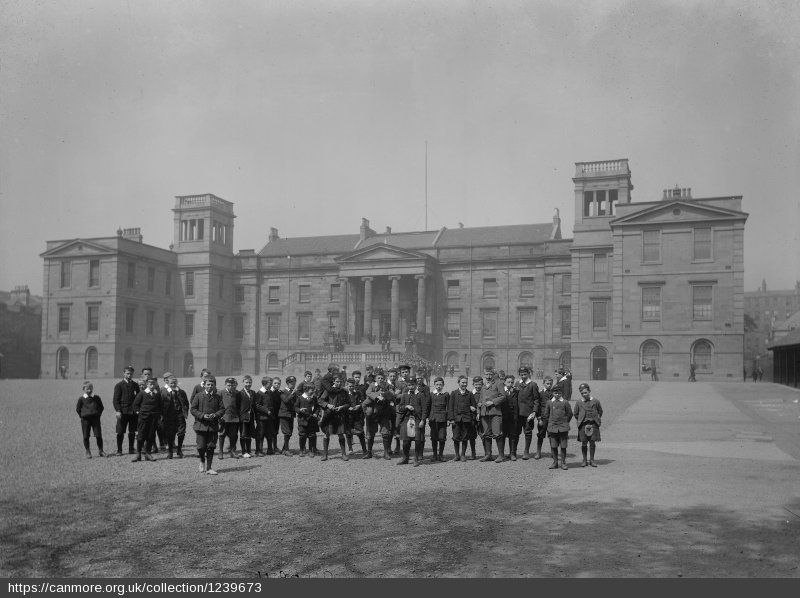
Figure 8k: Courtesy of Canmore
https://canmore.org.uk/collection/1239673

Figure 8l: Courtesy of Canmore
https://canmore.org.uk/collection/1300445
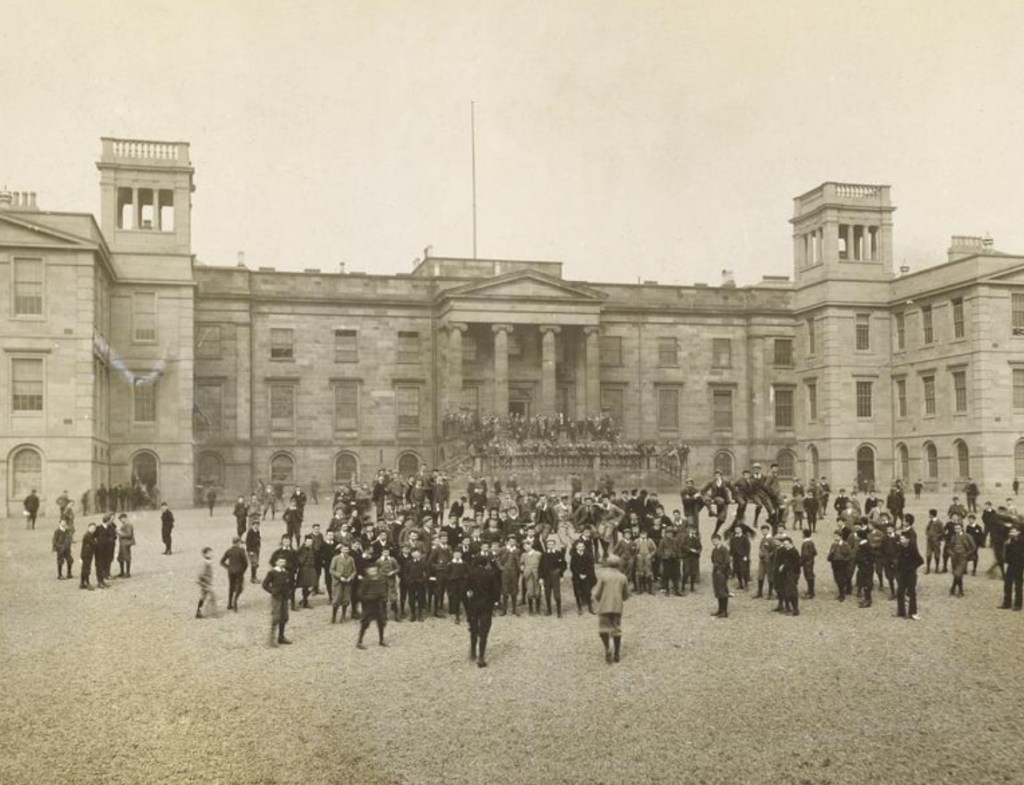
Figure 8m: Courtesy of Canmore
http://canmore.org.uk/collection/1300442
I find it fascinating to think that if Donald were here today he would recognise these pictures immediately.
Google maps shows how close the school was to Donald’s aunt’s house in Hartington Place.

I found the site on a historic map from 1891, exactly Donald’s time. The first map shows the school and you can see the bottom left of this map sort of joins with the top right of the second map, which shows where Hartington Place was situated in relation to the school.
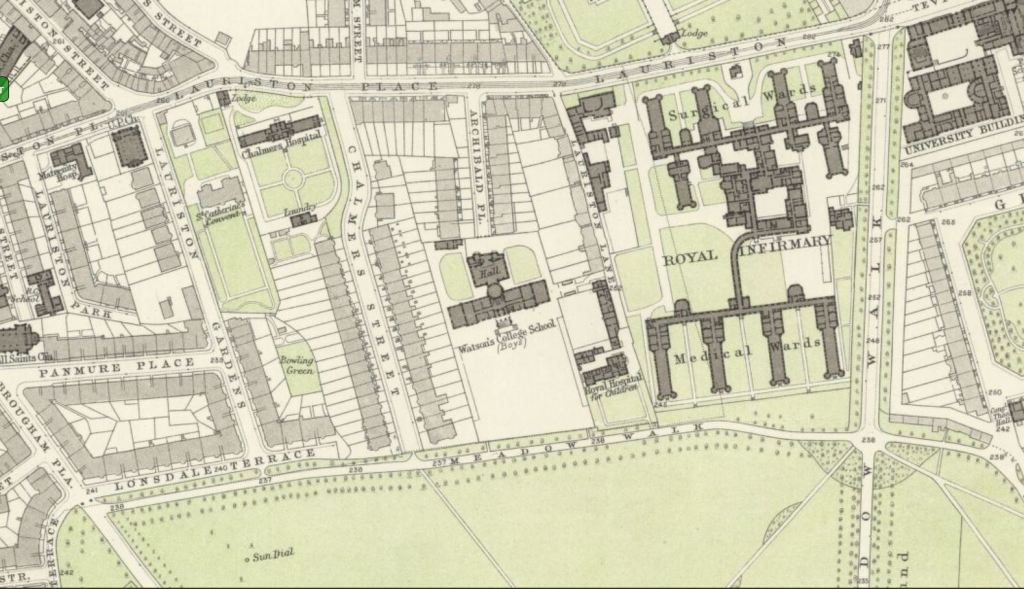
Figure 8o: Courtesy of National Library of Scotland
https://maps.nls.uk/view-full/102709743#zoom=5&lat=3221&lon=3790&layers=BT
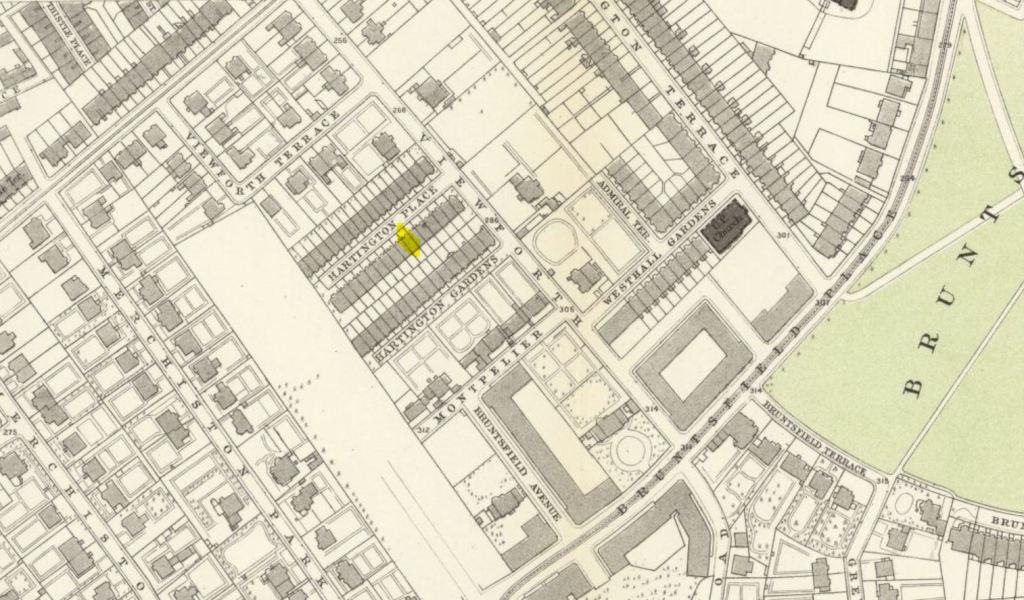
Figure 8p: Courtesy of National Library of Scotland
https://maps.nls.uk/view-full/102709743#zoom=5&lat=3221&lon=3790&layers=BT
I know I shared this picture of no. 14 Hartington Place in the other post but here it is again for us now.
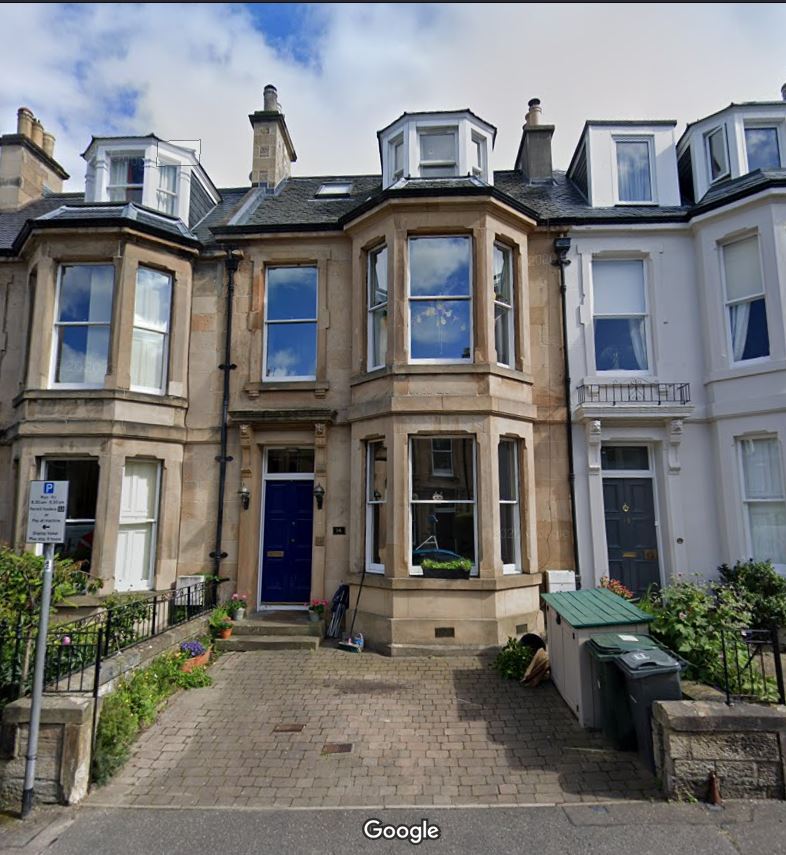
Figure 8q: Courtesy of Google Maps
This is the exact place that Donald was living 133 years ago with his sister and his aunt and it is where his mother died 135 years ago.
I also mentioned in that earlier post that once Donald had graduated from Edinburgh University and presumably worked as a doctor for a couple of years, he eventually left from Liverpool, England, on the 5th of July 1906 on the S.S. Suevic. He was heading for Sydney Australia.

Figure 9: Courtesy of The Great Ocean Liners
http://thegreatoceanliners.com/articles/suevic/
I managed to find Donald mentioned in an expected arrival list printed in the Sydney Morning Herald, two days before the Suevic arrived.
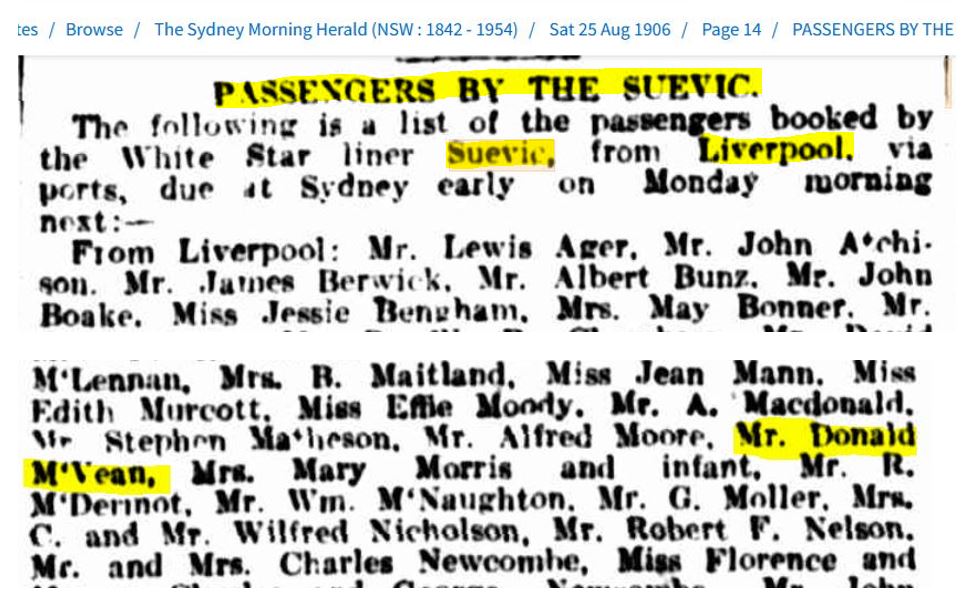
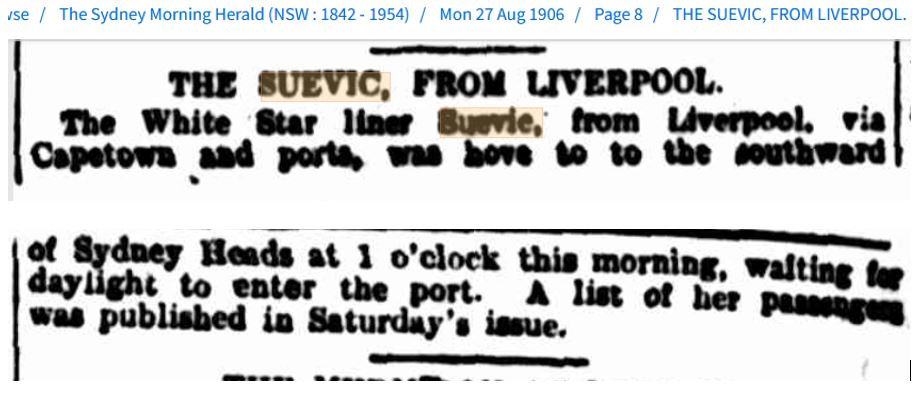
The Suevic did indeed arrive very early on Monday the 27th August 1906.
I’d imagined that it might have been an interesting journey, to say the very least at that time but I wonder if Donald and the other passengers knew just how much it actually was?

The Suevic itself was headed for some drama. It was only seven months after Donald disembarked her in Sydney, that this happened.
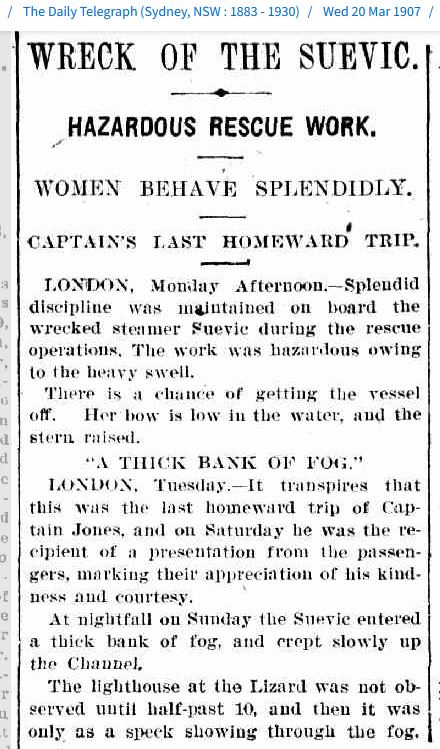
The Suevic broke into two in the heavy swell, as is clearly shown in these next extraordinary photos.

https://www.submerged.co.uk/the-wreck-of-the-suevic-2/
All the passengers and crew were saved but the bow was left to sink.
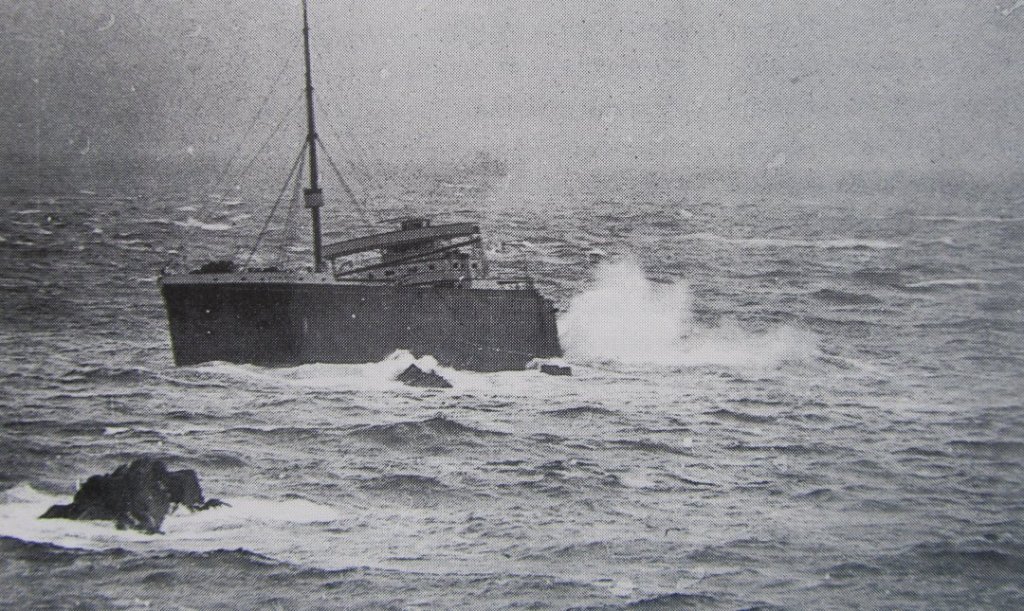
https://www.submerged.co.uk/the-wreck-of-the-suevic-2/
The Stern, which remained upright and afloat was salvaged and towed away.

https://www.submerged.co.uk/the-wreck-of-the-suevic-2/
Eventually, a new bow was constructed and grafted onto the surviving stern.
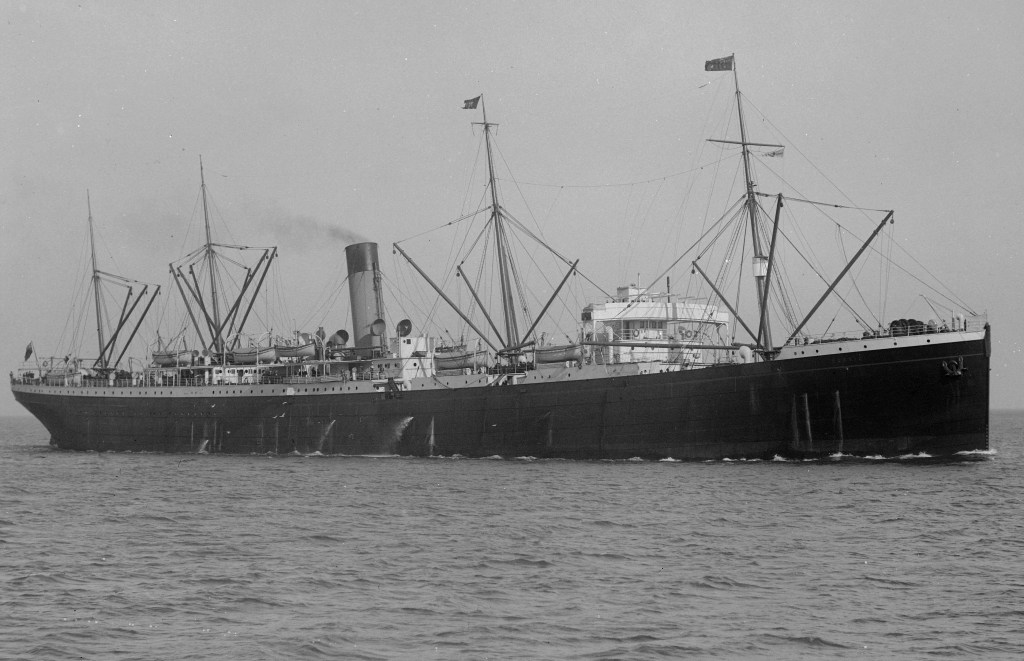
Figure 11f: Courtesy of Wikipedia
https://en.wikipedia.org/wiki/SS_Suevic#/media/File:SS_Suevic_(high_def).jpg
She lasted another 35 years when she was scuttled in 1942, off the Swedish coast to prevent her capture by the Nazi fleet in World War Two. https://en.wikipedia.org/wiki/SS_Suevic
Now back to Donald and his arrival into Sydney on that August morning in 1906.
These extraordinary photos that follow are stills I have taken from a small piece of film that the National Film and Sound Archive of Australia holds in its collection.
It shows vision from the top of a tram traveling down George Street, in Sydney, towards the Queen Victoria Building and Town Hall. It was filmed in 1906.
This is the Sydney that Donald saw on his arrival.

(approaching Martin Place, round clock on the GPO building on the left)
Figure 12: Courtesy of the National Film and Sound Archive of Australia https://www.facebook.com/watch/?v=2482054022040197
Of course, this next image is not that Sydney. I just threw it in to show that elements are still there of Donald’s Sydney.

(approaching Martin Place, round clock on GPO building)
Figure 12a: Courtesy of Google Maps

(corner of Martin Place)
Figure 13: Courtesy of the National Film and Sound Archive of Australia

(Martin Place with GPO building in view)
Figure 14: Courtesy of the National Film and Sound Archive of Australia

(approaching Market Street, dome of the Queen Victoria Building appearing above on the right)
Figure 15: Courtesy of the National Film and Sound Archive of Australia
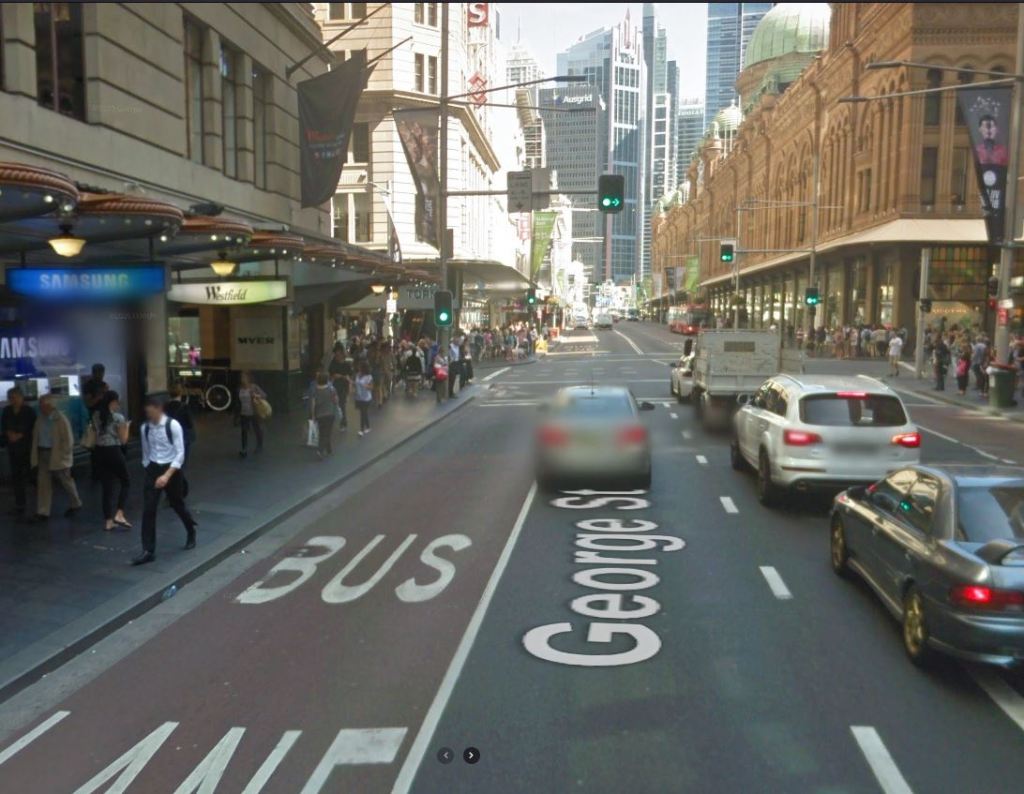
(approaching Market Street, dome of the QVB appearing above on the right)
Figure 16: Courtesy of the National Film and Sound Archive of Australia
Having seen what Sydney looked like when Donald arrived I wondered what was happening in the news on that day.
The following figures show a few of the lead reports on the “Daily Telegraph” front page that morning Donald disembarked from the Suevic.


Collage 1: Courtesy of Trove, National Library of Australia
Damn, some of the biggest stories of the day.
Russia was still dealing with the aftermath of the 1905 Revolution and even though it ultimately failed at that time, it did lead to Tsar Nicholas the 11’s imperial regime creating the “Fundamental Laws” which functioned as a constitution of sorts. https://www.britannica.com/event/Russian-Revolution-of-1905
Next, Cuba’s first President of the newly minted republic, President Palma, was accused of election fraud and supporters of the opposition party started a nationwide insurrection at the beginning of the month. (Wow, might we be reading something similar in a couple of months with the looming US election in November?) Within a month of this report above, President Palma had resigned and the United States President Roosevelt had installed a US Governor of Cuba.https://www.britannica.com/event/Cuban-Revolution
Also on that Monday morning, Chile was only eleven days out from a devastating 8.2Mw earthquake that had flattened the city of Valparaiso on August 16th.https://en.wikipedia.org/wiki/1906_Valpara%C3%ADso_earthquake
This was of particular concern as the earthquake in Chile came only four months after San Francisco was practically razed to the ground by a 7.9 Mw earthquake and the resulting huge fires that it experienced on April 18th. https://en.wikipedia.org/wiki/1906_San_Francisco_earthquake
And as you can see there were also some local concerns that were being discussed as a result of these bigger international quakes.

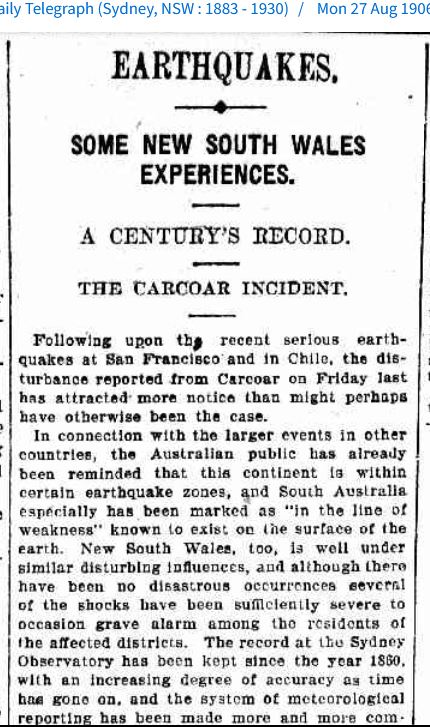
Collage 2: Courtesy of Trove, National Library of Australia
I then found these next articles that are just fascinating and closer to home and something that I think Donald would have been trying to get his head around too. Motor vehicles.


Wow, they are discussing Arnott’s purchasing just one, only one motor wagon and mentioning the fact that other companies would “see” how it worked out before considering if they might do the same thing.
Donald has landed in Australia at the beginning of our motorised transport industry. I wonder if they could have ever imagined what traveling along the national highway at night is like now? Semi-trailers galore.
This next article is from the Friday before Donald arrived.

And what about Mr and Mrs Palmer, still riding a horse and buggy into their 80s. That is some tough people back then.
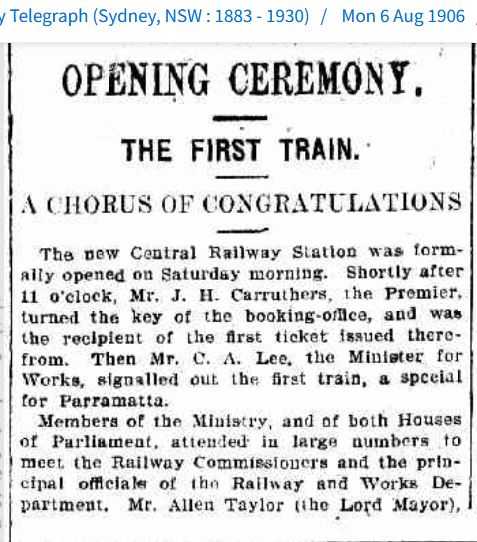
Even though this next article was three weeks before Donald arrived I know that he very likely would have had to have made his way down to the new Central Station in Sydney. It was the hub to getting in and out of the city.
Here is the station shown below as Donald would have known it. This was even before the construction of the famous clock tower in 1915.

Figure 20: Courtesy of The Sydney Tramway Museum Facebook Page https://www.facebook.com/photo/?fbid=1059591862838473&set=a.531188419012156
Today, 118 years later, Central is almost through a $955 million dollar redevelopment. https://www.laingorourke.com/projects-and-sectors/australia/sydney-central-station-metro/
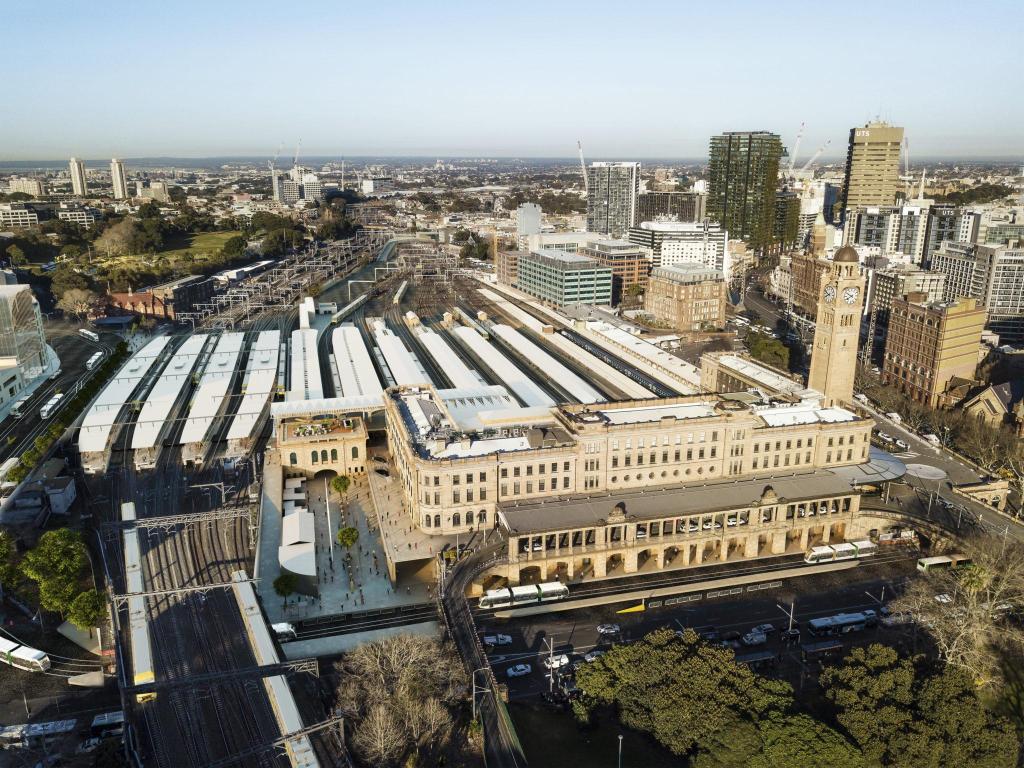
Figure 21: Courtesy of Woods Bagot
https://www.woodsbagot.com/projects/sydney-central-station/
Now that we have a good picture of the world Donald was inhabiting at the time, there is absolutely no mention of him anywhere in the Sydney press or wider New South Wales press for that matter.
The first mention I can find of Donald is in a Victorian Government Gazette, confirming his Medical Board registration, dated just eight days after his arrival.

I think it would be safe to assume that prior arrangements had been made for his registration and accommodation. I can’t see how he could have arranged it within eight days of arriving in Sydney. What is especially confusing here is that he was actually at Melbourne sitting on the Suevic, seven days before.
Perhaps there was sufficient time for him to disembark, have his interview for the registration process and return to the ship in time for the departure to Sydney.

I wonder why he went to Sydney then? Why was he bypassing Melbourne only to end up back there, presumably to take up residence at the Swanston Street address at some later stage?
Perhaps Sydney was where he was contracted to land. It could be that it was part of employment conditions for a company that Donald was going to work with, who were based in Sydney. Or maybe he just wanted to see the sights of the infamous colonial town before visiting family in New South Wales while working his way back down to Melbourne.
All of Donald’s paternal aunts and uncles had passed away by 1906 but he did have a couple of uncles on his mother’s side of the family that had made the move to Australia and were living in New South Wales at this stage.
The first, James Begg was living in Corowa with his third wife, Ella who he had married on the 17th December 1902.

This wedding article above also had a long list of guests and their gifts printed along with it. I found Donald’s other uncle, Frances Forbes Begg mentioned in it and also a listing for a Mrs Macvean. I think that it might be referring to my 2x great-grandmother, Jessie Davina Macvean.

Tony Begg a cousin of mine shared this wonderful photo of James and Ella not long after their wedding.

Figure 26 : Courtesy of the Begg Family Archives, Generously shared by Tony Begg (Cousin)
As you may have noticed from the wedding article above, James was the principal of the Corowa College. He’d held this position for 14 years. Immediately before this he had been visiting Scotland in 1897 after the death of his second wife, Margaret Hamilton in 1896.

He and Margaret had lived in Hamilton, Victoria for approximately 30 years where James had established the “Hamilton Academy” in January 1870.

After he and Margaret married in 1872, Margaret also started working at the academy and ended up running the administration and housekeeping side of the business.
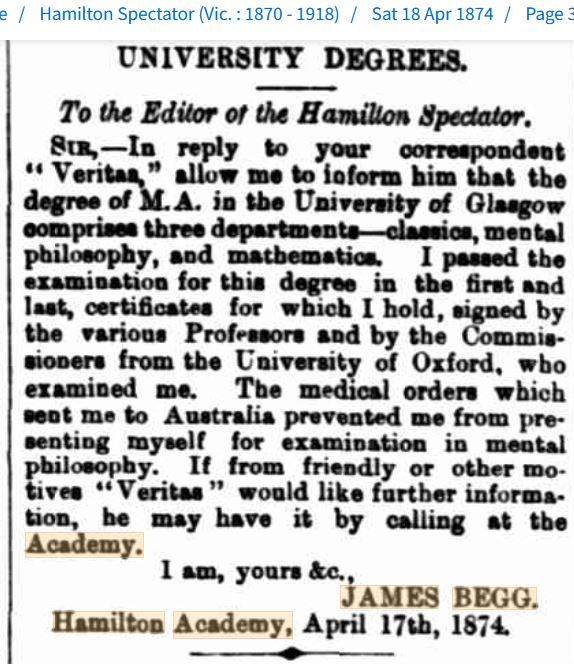
James’s first wife, who he married on the 11th of September 1867 in Colac, Victoria, was actually Donald’s cousin, Annie Macvean.
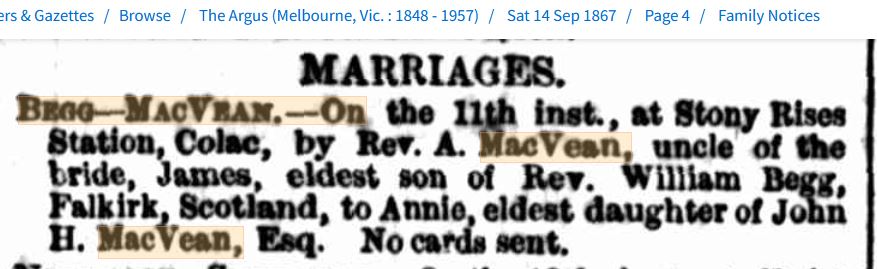
Yep, his mother’s brother, married his father’s brother, John Hugh Macvean’s, daughter. Oh, yeah, it took me a while to get that one straight, but it shows again what a small world it was at that time. (By the way, Annie is my 2x great-grandaunt, sister to my 2x great-grandfather, Alexander Macvean.)
This connection is what leads me to believe that the wedding article above was referring to my 2x great-grandmother, Jessie Macvean. She was married to Annie’s brother, Alexander which therefore made her James’s sister-in-law.
Unfortunately Annie passed away in the October of the following year, 1868 aged just 23 years old.
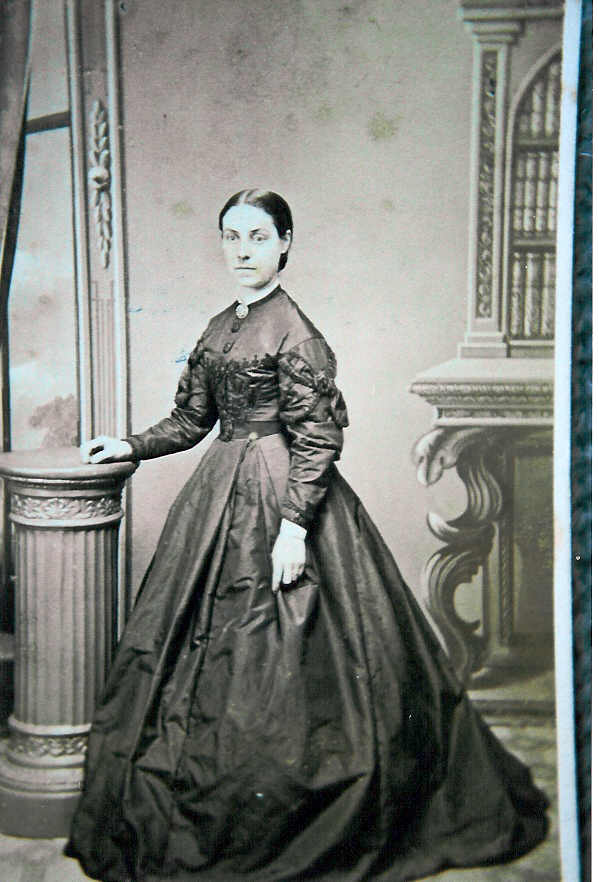
Figure 29: Courtesy of the Macvean Family Archives
Generously shared by Sally M (Cousin)

Figure 30: Courtesy of the Macvean Family Archives
Generously shared by Sally M (Cousin)
This is where Donald’s cousin Annie is buried in the Geelong Western Public Cemetery.
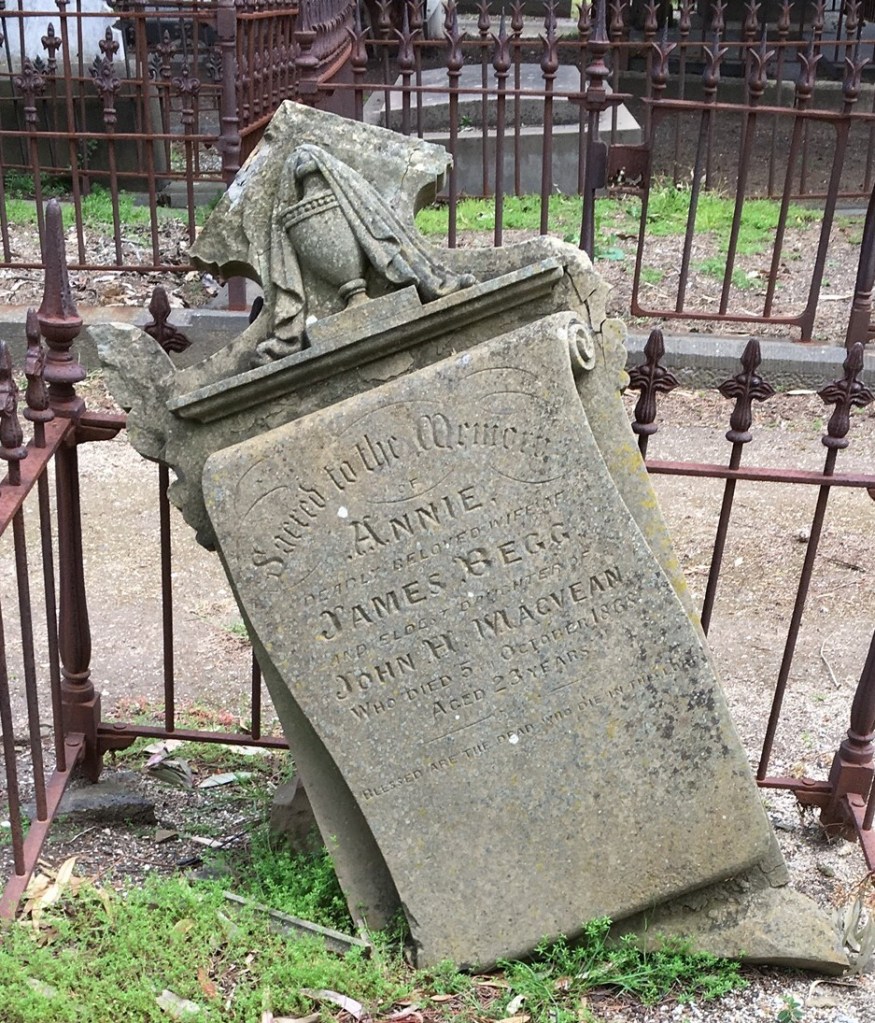
Figure 31: Courtesy of the Begg Family Tree on Ancestry.com.au
Generously shared by Anthony Begg (Cousin)
James passed away on the 11th of February 1911 on a return journey from a holiday at Sorrento, Victoria.

As I highlighted above in the wedding gifts article, Donald’s other uncle, Frances Forbes Begg was also in Australia at this time. Perhaps Donald was taking the time on his travel from Sydney to Melbourne to stop in and visit with him before starting his job in Melbourne.
There is no photo of Francis either unfortunately and very limited information on his life. What I have been able to work out so far, comes mainly from his death certificate. It shows that he was in Australia for 42 years, so this means he emigrated to Australia around 1869.
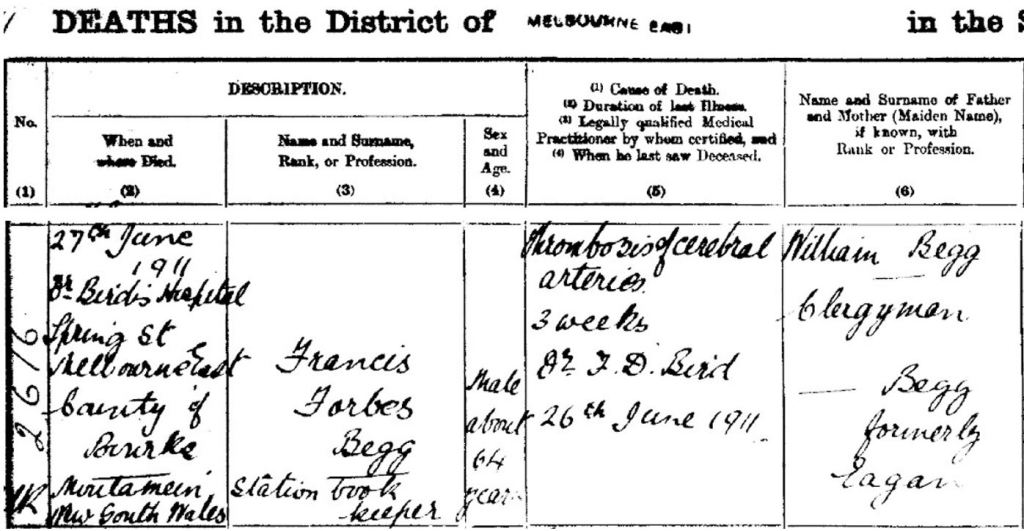
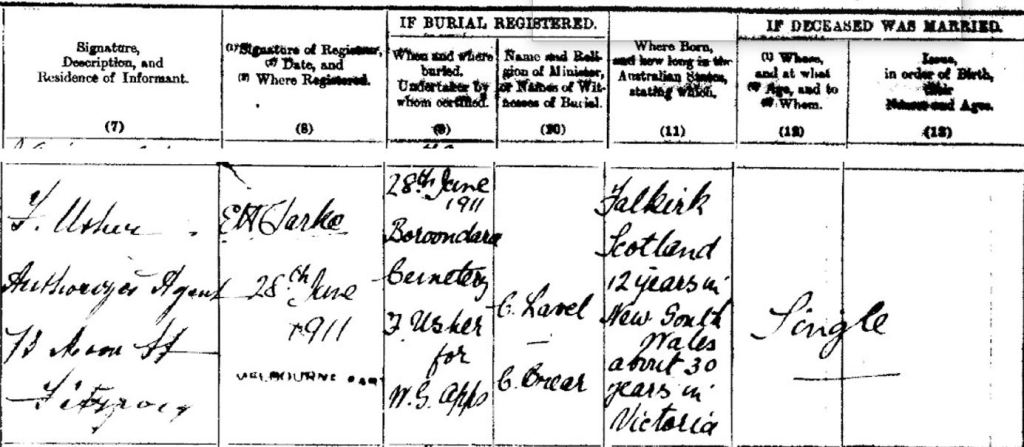
Figure 33: Courtesy of the Begg Family Tree on Ancestry.com.au
Generously shared by Anthony Begg (Cousin)
It also shows that Francis never married in all that time. There are no marriage notices or government marriage records and no family trees on Ancestry.com.au that have a spouse listed for Francis. It seems he was a bachelor for life.
According to what I can find on Trove, I think he started off in Victoria and then moved to New South Wales around 1900. He was working for the National Bank of Australasia in Melbourne and was apparently an avid cricket player. This next article is the earliest mention I can find of him.

It then looks like Francis got transferred a couple of years later to Coleraine in western Victoria.
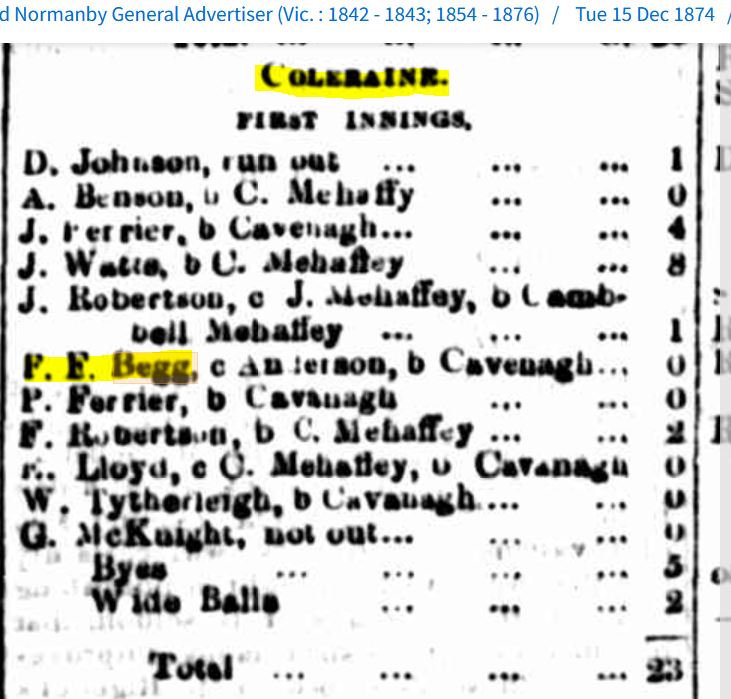
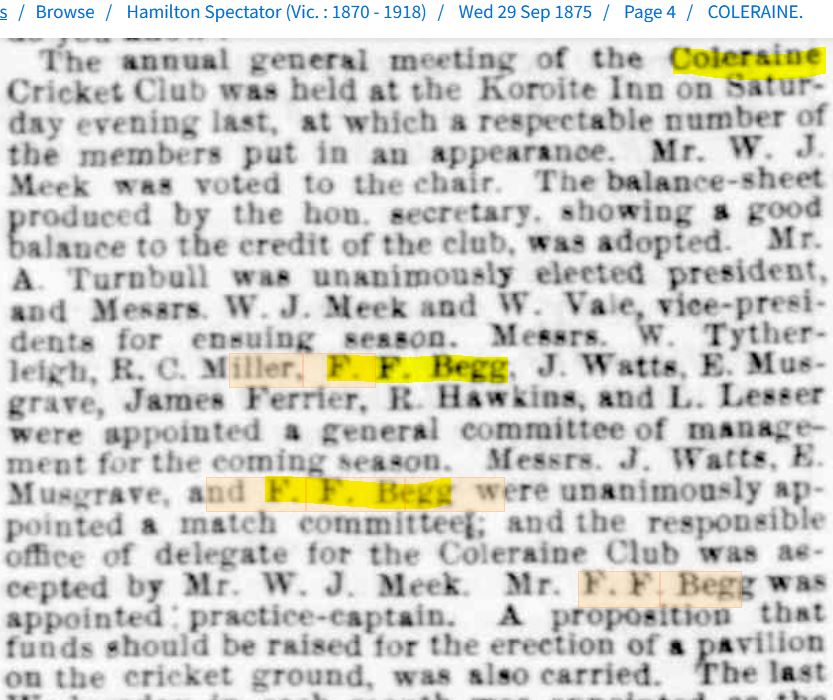
This next mention confirms Francis was in the Coleraine area for several years at least.

This photo from 1922 shows part of the Coleraine National Bank building where Frances lived and worked in the mid-1870s. It is the two-storied building on the very right.

Figure 33e: Courtesy of Museums Victoria
https://collections.museumsvictoria.com.au/items/766357
This building too, still stands today although it has long given up being the home of the National Bank. This photo below is the latest view Google Maps had of it from 2022.
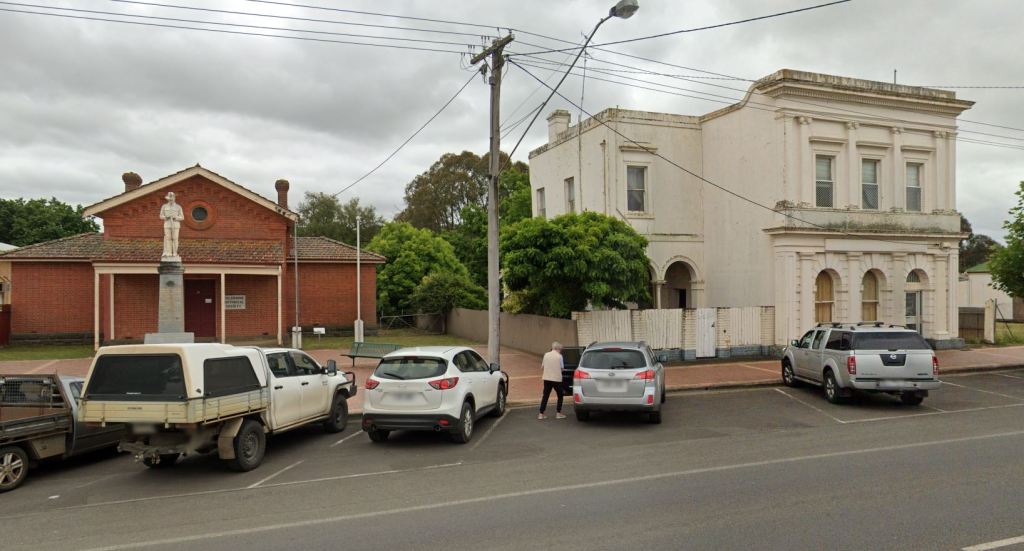
Figure 33f: Courtesy of Google Maps
The next branch Francis moved to as mentioned in the article above, was Casterton.
According to Jim Kent a local historian from the area, the National Bank when Frances moved there in 1876 was operating from an existing vacant shop front that they had been using since 1872. There is no indication where this was situated but then in 1878 construction began on a purpose-built building on the corner of Henty and McPherson Streets. It was initially a single storied building but by the mid-1880s, a second story was added. https://www.swvic.au/casterton/newsletter/201006.pdf
According to Wikimedia, the building was still being used by the National Australia Bank in 2015 but a search on Google Maps today, well last year, shows it is no longer being used by the bank and stands ready for sale.

Figure 33g: Courtesy of Wikipedia
https://commons.wikimedia.org/wiki/File:Casterton_NAB_Bank_001.JPG
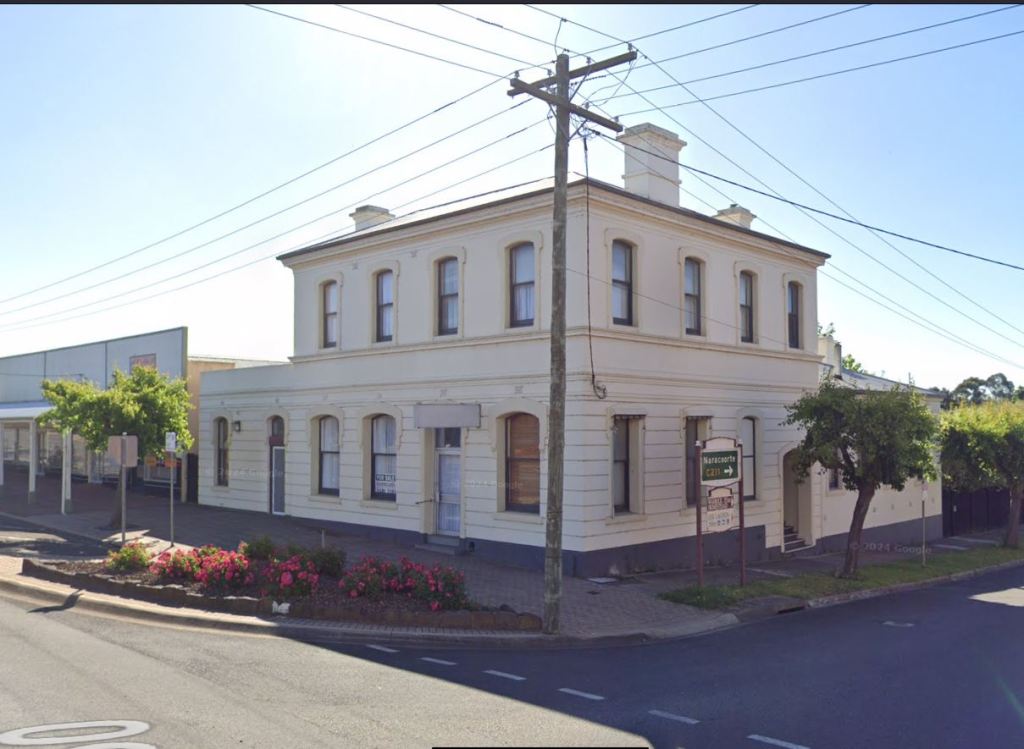
Figure 33g1: Courtesy of Google Maps
This next article confirms that Francis was stationed at Casterton for six years, leaving at the end of 1881.
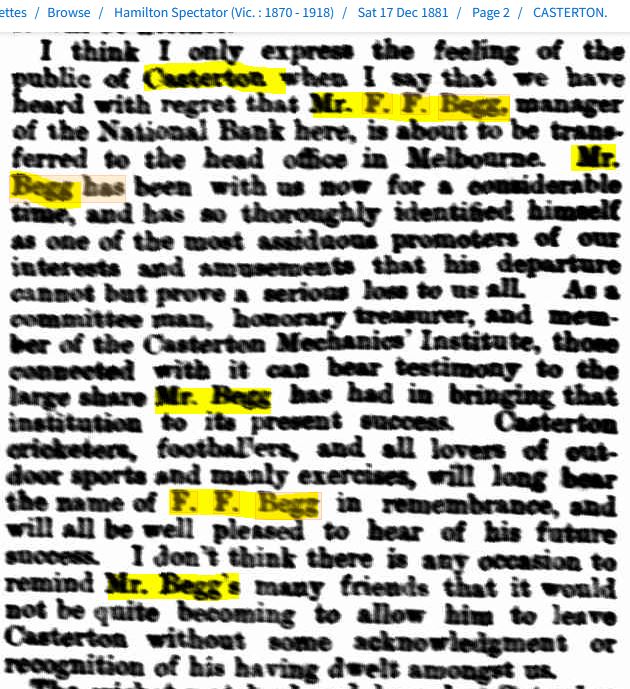
There was no article describing a send-off for Francis from Casterton but I did find a mention, a month later on the 28th of January 1882 of a note and gift sent to him by some of the local residents.

I thought we were done with Casterton and then I found this one photo on the State Library Victoria site. It is very close to Francis’s time, dated 1886, just five years after he leaves. You can see the bank has already had the second story added.

Figure 33j: Courtesy of State Library Victoria
http://handle.slv.vic.gov.au/10381/460848
The National Bank of Australasia is the furthest two-storied building visible on the right-hand side of the main road, Henty Street, with four windows on the top floor.

Figure 33k: Courtesy of State Library Victoria
http://handle.slv.vic.gov.au/10381/460848
Next, I found this mention from an 1887 rate book that lists Francis living in a house in Footscray, which was owned by the bank. He was sharing the house with presumably, a bank colleague, a Mr Davies.

Figure 34: Courtesy of Ancestry.com.au
And here he is in 1896, mentioned below as still being at the National Bank in Collins St, Melbourne. This is a probate listing for his sister-in-law, Margaret Begg, James’s second wife.

And here is the actual building Francis was working in. It was constructed in 1878 and this photo was taken shortly after it opened.

Figure 35a: Courtesy of Peter Andrew Barrett – Architectural and Urban Historian, Writer & Curator on Facebook
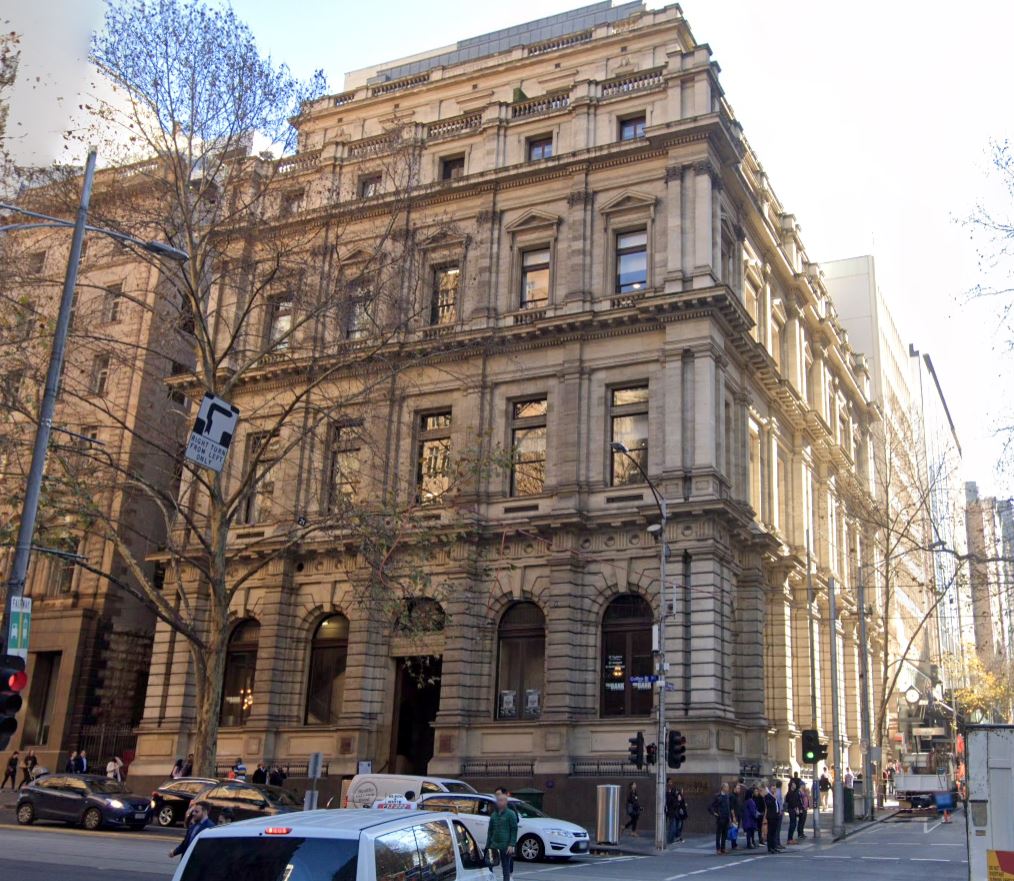
Figure 35b: Courtesy of Google Maps
I then found an electoral list for Francis, from seven years later in 1903, showing he had made the move to NSW. He was listed as living in Borambola a small town just 30kms to the east of Wagga Wagga. He’d obviously left the bank after 30 years of service and was now working as a bookkeeper.

This next article confirms some of these little slivers of information I have been able to uncover on Francis’s life so far.

I then even unearthed his departure listing for his world trip mentioned above.

I wonder if Francis visited his nephew Donald on this trip back to the UK. Perhaps it was Francis who inspired Donald to make the move out to Australia.
If Donald was returning the favour and visiting Francis he would have found him living at Moolpa, just outside of Moulamein about 400kms to the west of Wagga Wagga. You’ll see these details match with the note on Francis’s death certificate above, Figure 33.
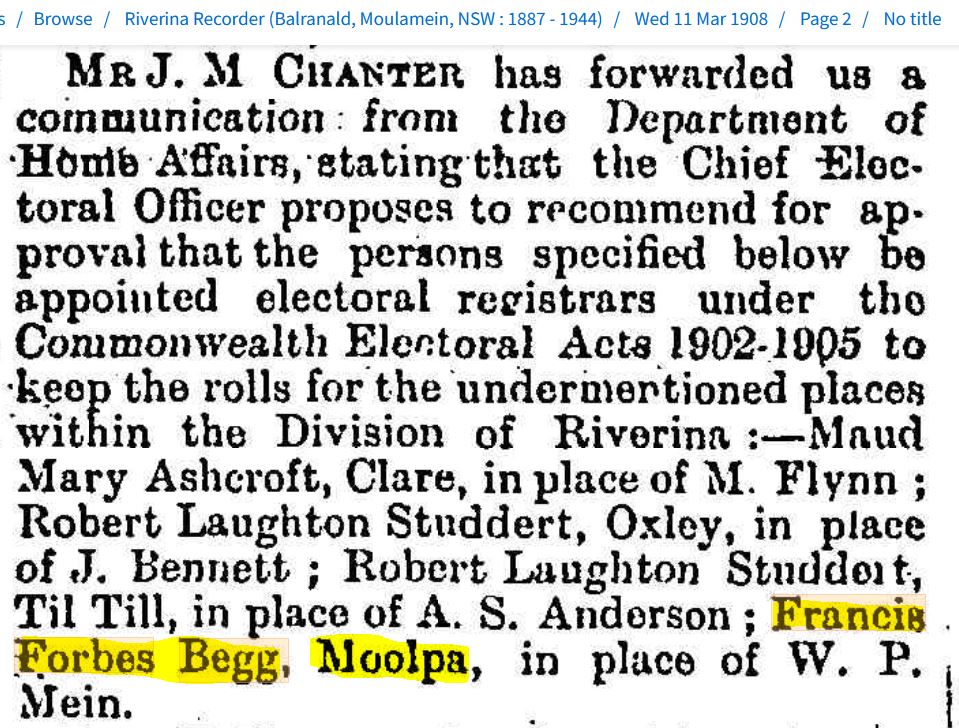
I found this random listing below, confirming the details of Francis’s move. He had been appointed an electoral registrar for the Moolpa area. This was printed a month after Donald’s death.
I can’t find a historic photo of the station but I did manage to find a more recent one uploaded to Flickr by a Kay Coates. It shows one of the sheds at Moolpa Station from 2010. It definitely looks like it could be from Francis’s time.

Figure 40: Courtesy of Kay Coates, Flickr User
https://www.flickr.com/photos/kaycoates/5113630774/in/photostream/
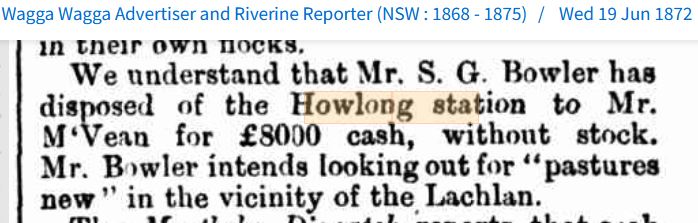
There is one final bit of information I found on Francis that is very interesting. He had an account printed in April 1876 in a local paper in Beechworth, of a trip he made with a friend to the Murray area. The account was actually a letter that he had sent back “home” to be printed in the Falkirk Herald.
In the account, he describes visiting Howlong Station and gives a fantastic description of parts of the station. This of course is the property belonging to his brother James’s, ex-brother-in-law, Alexander Macvean, my 2x great-grandfather. I have only included the introduction and the parts relating to Howlong below as the article is very lengthy.

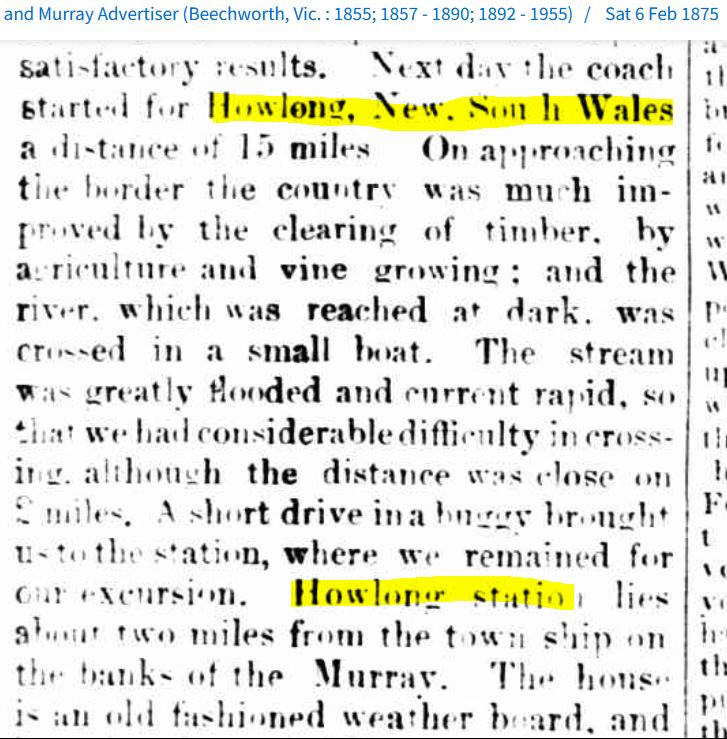

It is interesting to note that this was published eight years after Annie’s death, Francis’s sister-in-law, yet he makes no mention of knowing the owners of Howlong even though Alexander has had possession of the property since 1872.
I’ve had this next photograph in my collection for over 12 years but I have no idea where I got it from. It was in the early days before I referenced all sources, damn. Still what a gift to have. It is of the original homestead at Howlong that Alexander and Jessie my 2x great-grandparents built. It is probably my great-grandfather and his siblings standing in the front of the house.
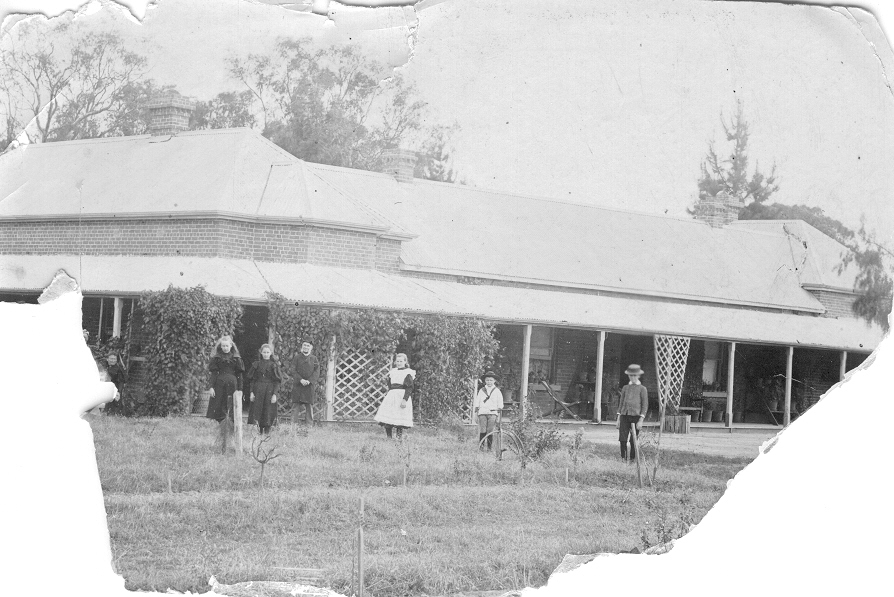
Figure 40b: Courtesy of the Macvean Family Archives
What I can be certain of is that the small face to the very left which is almost ripped from the photo is my 2x great-grandmother, Jessie. Here she is beside a known photo of her. I recognised her straight away.


Now back to Donald. The map below shows all those places mentioned above. I have also marked where other family members were that Donald may have dropped in to visit on his way back to Melbourne. His Macvean cousins were scattered throughout the area, including Wagga Wagga, Tarcutta, Moulamein, Holbrook, and Howlong.

Apart from the Macvean cousins and the Begg uncles, I think there is another member of the family that Donald might have visited, his cousin, Dr William Begg. William was the son of James Begg and Annie Macvean.

Figure 42: Courtesy of the Begg Family Tree on Ancestry.com.au
Generously shared by Anthony Begg (Cousin)
William was married to Maude Mary Daniell and they had three small children by the time Donald would have been visiting in late 1906 or early 1907.
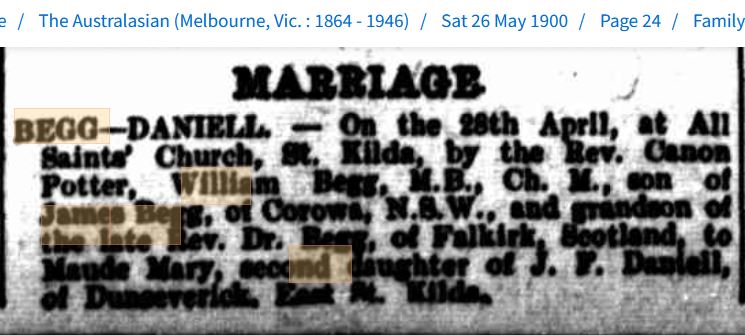
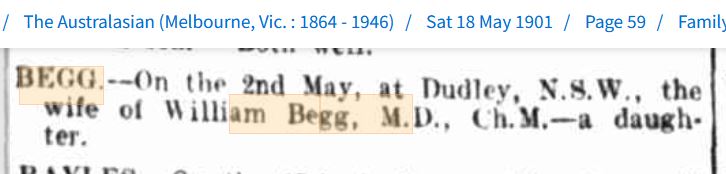


Collage 4: Courtesy of Trove, National Library of Australia
As stated William, Maude and the children were living in Korumburra in Victoria. I found this advert confirming their address.

I can’t be certain but this image below might be the house they were in. It is no.1 Station Street, Korumburra.
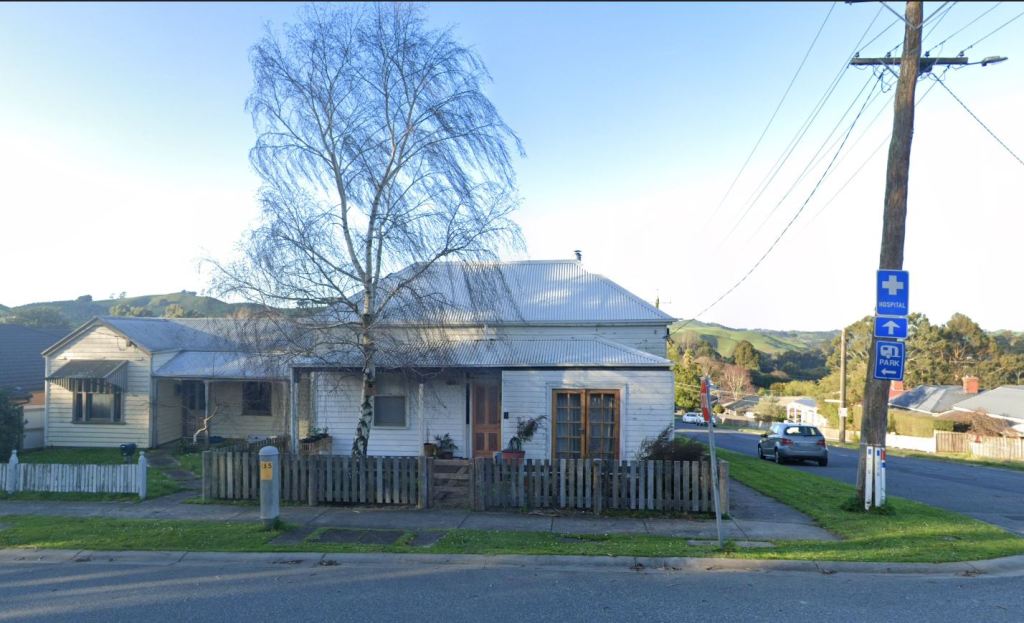
Figure 44 : Courtesy of Google Maps
It is great fun supposing that this might be what Donald did on his arrival, visiting all these family members, but remember that is all it is supposition. There is no evidence to support any of this. It could be that Donald didn’t give a second thought to the family and just hit it out on his own but I choose to think otherwise.
Now after all that hypothesising, let us get back to Figure 22, Donald’s medical board registration. You’ll note that Donald was staying at 80 Swanston Street, Melbourne. I found an advert in Trove confirming the name of the building occupying that site at the time.
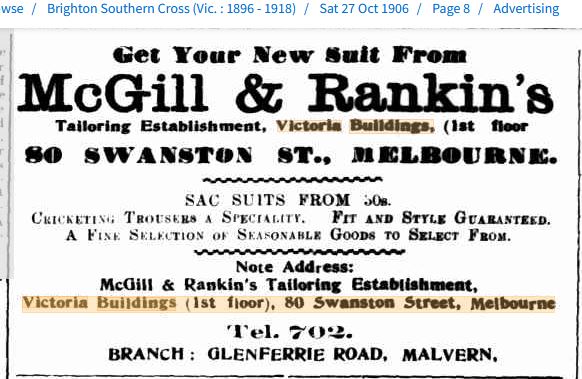
It was called the “Vitoria Buildings” and the “Old Time Photos of Yesteryear” Facebook page had a magnificent photo of it from about twenty years after Donald’s time but lucky for us it hadn’t changed in appearance in that time.

cnr of Swanston and Collins Street, Melbourne, circa 1920s
Figure 46: Courtesy of Ormond Butler, Contributor, Old Time Photos of Yesteryear https://www.facebook.com/groups/672164369508943/posts/victoria-buildings-on-corner-of-collins-st-melbourne-south-side-and-swanston-st-/7235662336492414/
Here is the site as of May 2023 thanks to Google Maps.
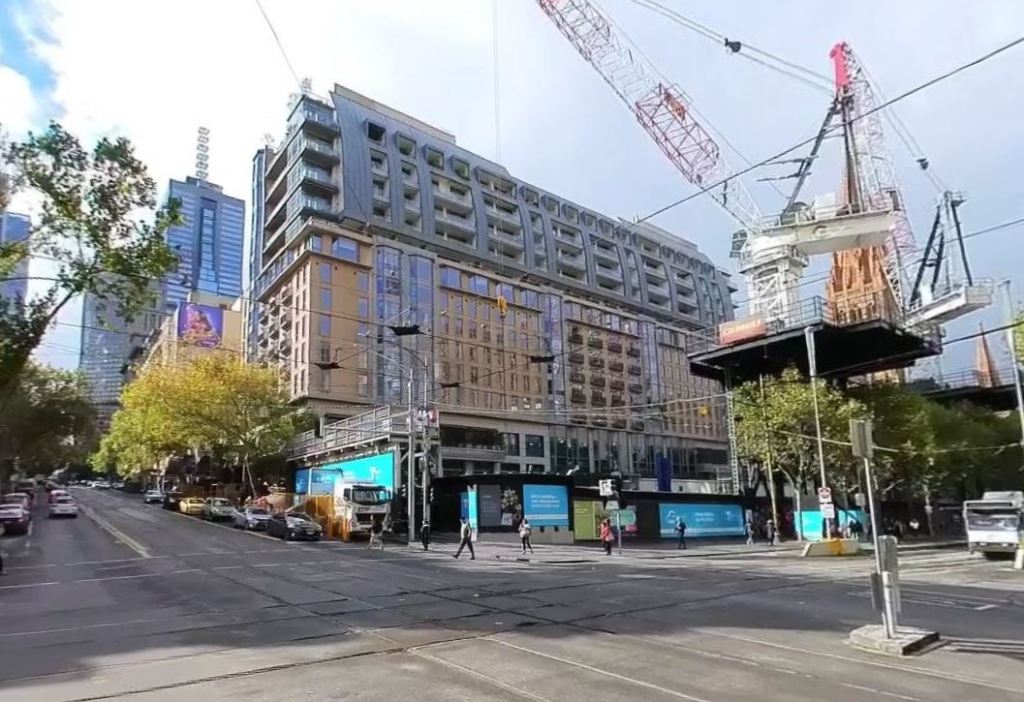
cnr of Swanston and Collins Street, Melbourne, May 2023
Figure 47: Courtesy of Google Maps
That beautiful building gone. Oh I just found this next photo and it is from Donald’s time for sure, especially when you look at the dress on the women riding the tram.
This view is looking up Collins Street with the “Victorian Buildings” visible on the right.
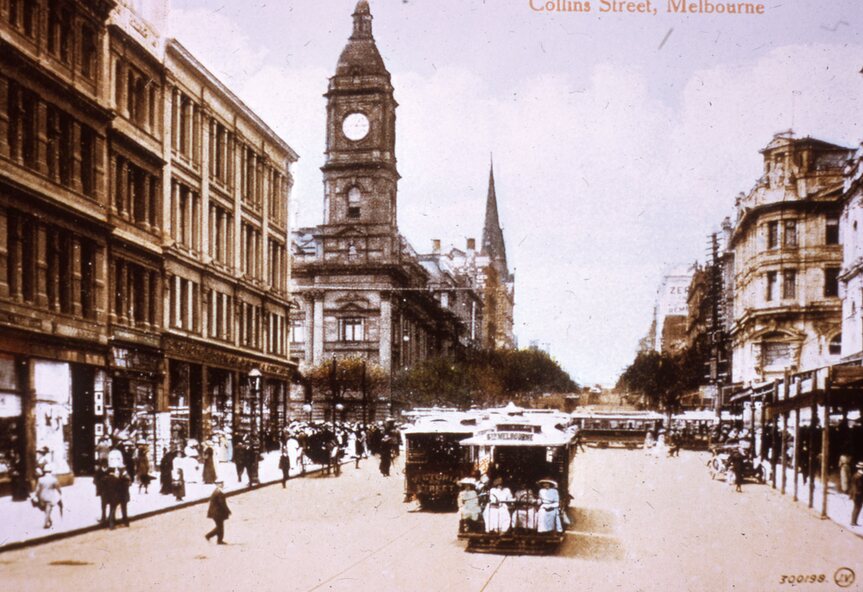
Looking up Collins Street with the Town Hall on the left and Victoria Buildings on the right of the intersection.
Figure 48: Courtesy of Victorian Collections
https://victoriancollections.net.au/items/627af7539a6d6164507135e8
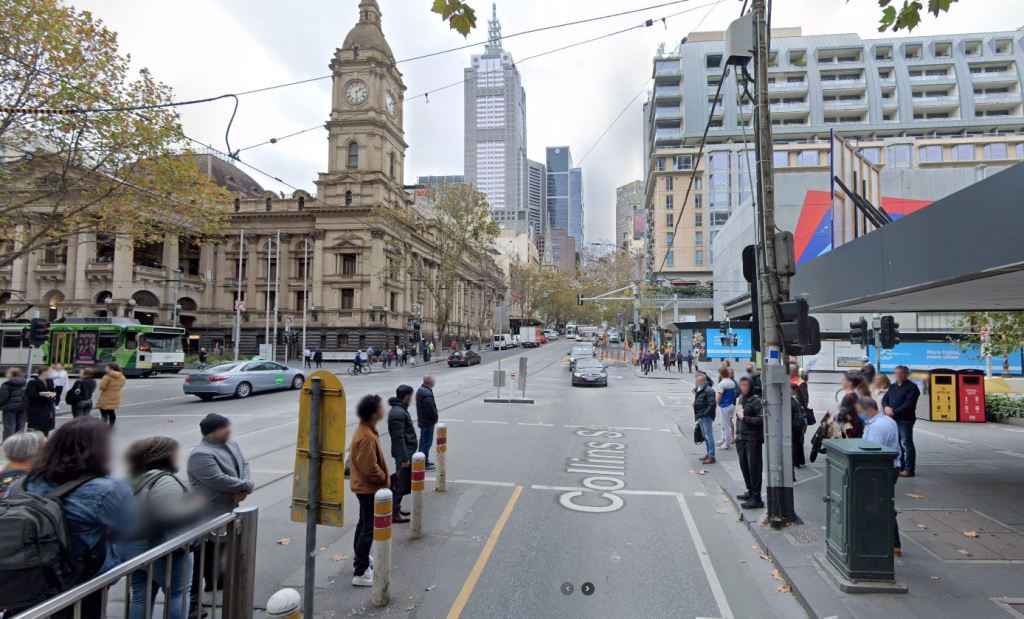
Looking up Collins Street with the Town Hall on the left and the former site of the Victoria Buildings on the right of the intersection.
Figure 48a: Courtesy of Google Maps
Oh yeah! I nearly forgot to mention, that we now have a graduation date for Donald from Edinburgh Uni’. It comes from the Victorian Medical Board registration details, Figure 22, and it is 1898.
I mentioned earlier in this post that I couldn’t find a graduation date for him but I did manage to find that matriculation date of 1893, when he started the degree. This means it took Donald five years to complete his Bachelor of Medicine and Bachelor of Surgery. (M.B. & Ch.B.)
And you wouldn’t believe it, I just did a search of the British Newspaper archive, (I splurged on a monthly subscription) and look what came up.

Wow, how lucky is that? This is a great reminder of how fortunate we are in Australia to have access to Trove, our newspaper archive for free. Thank you National Library of Australia.
The question now is, did Donald have a position lined up that he applied for before making the journey out to Australia or was he just winging it and hoping to pick something up now that he was in the country? Unfortunately at this stage, there is nothing to help us answer this.
The first mention I can find of Donald is twelve months after his registration, in an article about a murder trial.
It was printed on the 15th of October 1907 from “The Evening Telegraph” from Charters Towers in Queensland. Queensland?


Wow, Donald is performing postmortems on murder victims in Queensland.
Now Charters Towers is a damn long way from Melbourne but especially in 1907. Did you notice though that the article stated that Donald was residing in Cloncurry? That is another 700 km to the west of Charters Towers.
The committal hearing was actually taking place in Cloncurry. I was able to confirm this through searching for details on Mr John Cowper (J.C.) Linedale, P.M. Police Magistrate, who was mentioned in the article above. I found him in a directory listing for Cloncurry on Trove.
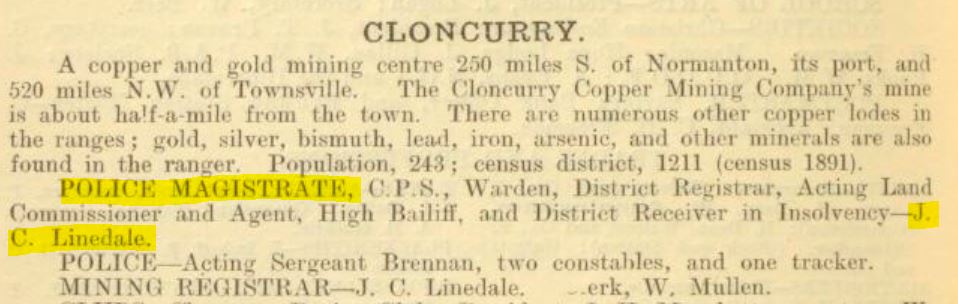
https://trove.nla.gov.au/work/250729006?keyword=%22j.%20c.%20Linedale%22
I have been able to find a photo of J. C. Linedale, who was visiting the Lady Fanny Copper Mine in Cloncurry in 1909. He is the man standing second from the right.

That man, Mr Linedale, knew of Donald. He would have sat at the bench listening to Donald give his expert opinion on the wounds of Mr Neal, the deceased.
Now Cloncurry, just to give it some perspective, is roughly 3000 km northwest of Sydney and sits on the western edge of Queensland and is 800 km west of the closest port, Townsville.

What an incredibly difficult trip that would have been for Donald to undertake in 1907 and the question is, why? Why would Donald, a young Scottish man with five years experience as a Doctor be in the center of nowhere in the Queensland outback, performing autopsies?
I imagine he would have had to have taken a coastal steamer from Sydney to Townsville first, then the next section of the journey would have been the really tough part as the railway to Cloncurry didn’t reach there until the following year. So Donald would have then been travelling via Cobb and Coach for the rest of the journey.
I can’t believe my luck but I found this phenomenal photograph of a Cobb and Coach service about to leave from the Cloncurry Post and Telegraph Office dated, circa 1910, so this definitely fits with Donald’s time.
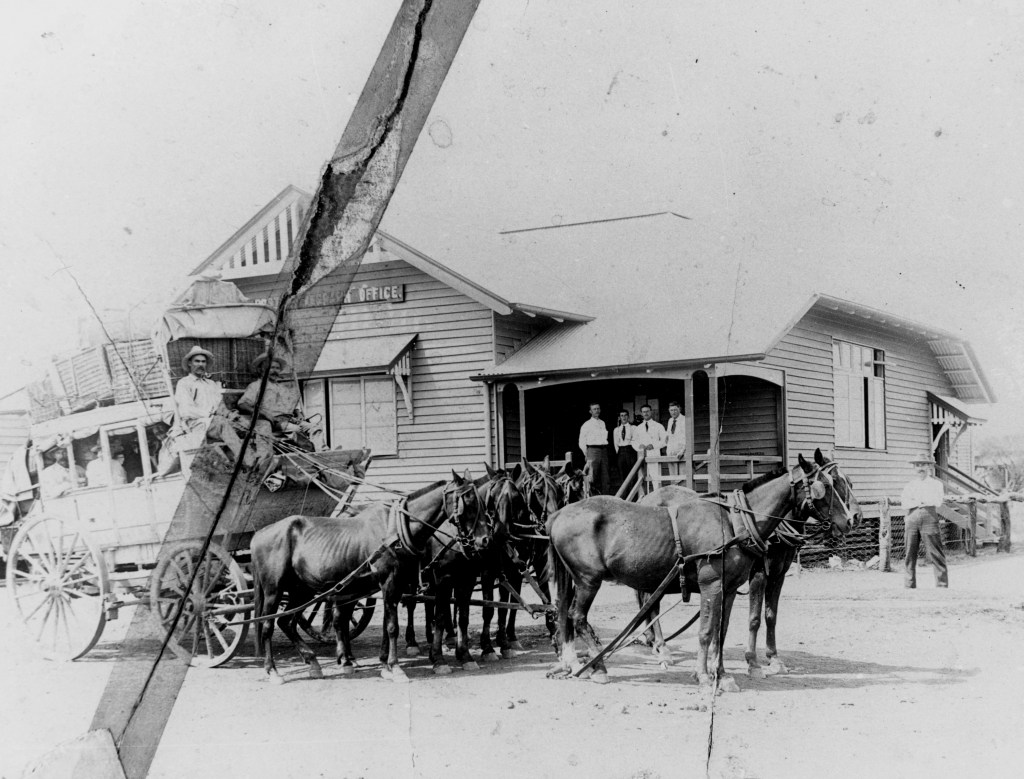
Figure 53: Courtesy of John Oxley Library , State Library of Queensland https://onesearch.slq.qld.gov.au/permalink/61SLQ_INST/tqqf2h/alma99183507850402061
Wow, as if that wasn’t enough excitement, finding this photo, something took my eye and luckily for us, the State Library of Queensland provides high-resolution copies of images, so I was able to zoom into the men on the verandah.
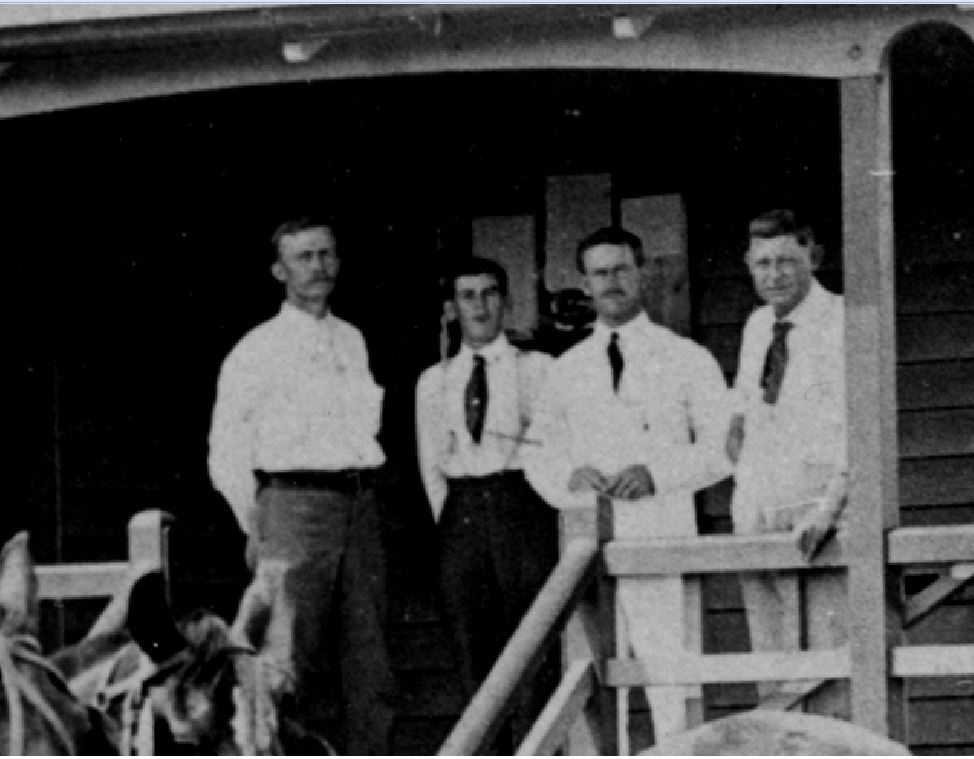
Figure 53a: Courtesy of John Oxley Library , State Library of Queensland https://onesearch.slq.qld.gov.au/permalink/61SLQ_INST/tqqf2h/alma99183507850402061
I can’t believe it but could that possibly be Donald on the very left? There of course is no way to be certain but wow, there is a certain likeness in my opinion.

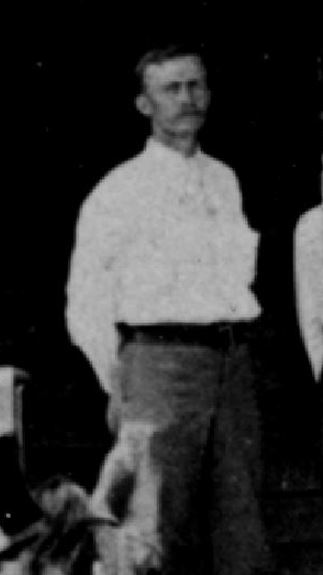
It isn’t such a stretch to think that it might be him. The date of the photo is only circa, no definite date is mentioned. Donald was actually there, living and working in Cloncurry in 1907 and according to the Queensland State Archives Flickr account, the original Cloncurry Police Barracks and courthouse were having extensions added to it at the time. So it could be that the Neal committal hearing was being held in the Post Office building. https://www.flickr.com/photos/queenslandstatearchives/36954912363
The State Library of Queensland has an amazing array of photographs of Cloncurry in its online collection. It isn’t that surprising as it was the first destination that QANTAS Airways flew to regularly, the first flight being on the 2nd of November 1922. Cloncurry is also where the Royal Flying Doctor service commenced from in the 1920s. https://www.nationaltrust.org.au/qantas-story-takes-flight-in-outback-hangar/
This photo below shows us Donald’s home in 1907. We can estimate from the article above that he was there as early as September of that year.

Figure 54: Courtesy of John Oxley Library, State Library of Queensland https://onesearch.slq.qld.gov.au/permalink/61SLQ_INST/1dejkfd/alma99184025857302061
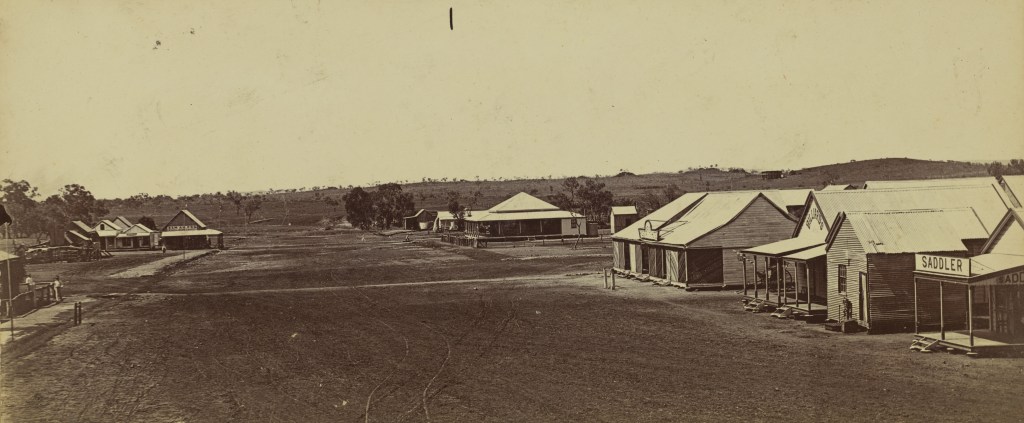
Figure 55: Courtesy of John Oxley Library, State Library of Queensland
https://collections.slq.qld.gov.au/viewer/IE2963228
Can you just imagine that, living there at that time with none of the basic facilities we take for granted today?
According to my “extensive” research on Trove, electricity doesn’t make it to Cloncurry until 30 years after Donald’s time.

I then came across a small mention a month after the committal hearing article above that gives us a bit more information on what Donald was doing at the time.
But just before we get to that let me share the outcome of the committal hearing, this is what happened to the accused, John Martin Ready.
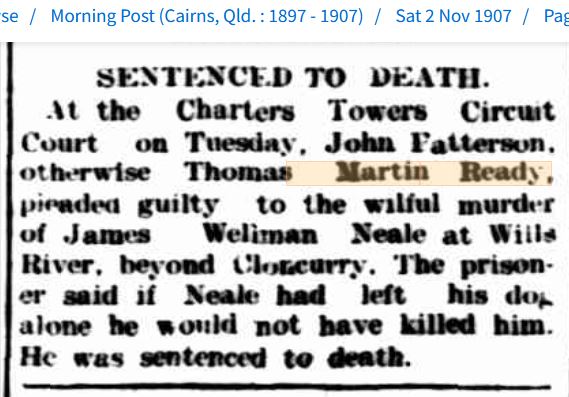
I then found this article printed a month later explaining a little more.

Back to Donald and the article that gives us a good clue as to what he was doing next.
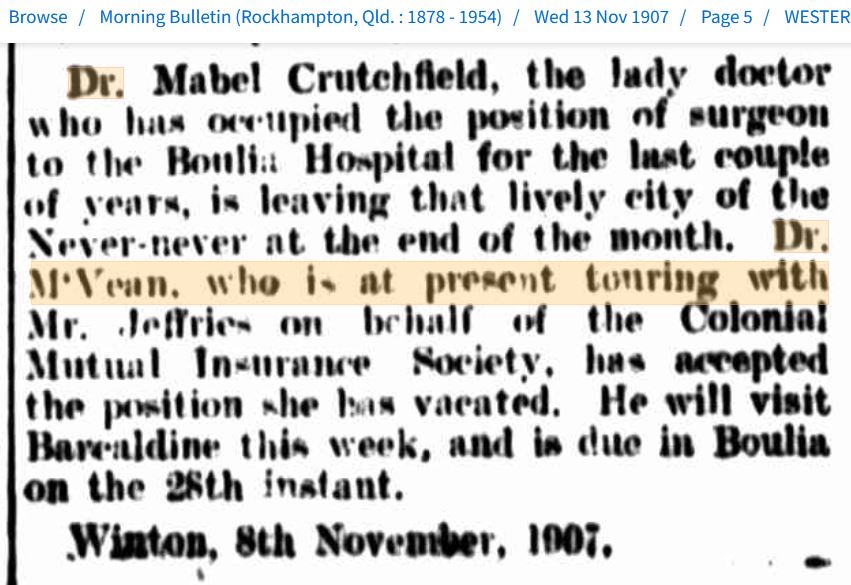
“Touring with Mr Jeffries on behalf of the Colonial Mutual Insurance Society.” I mean I would love to discover what that actually meant.

Was Donald working for the Colonial Mutual Insurance Co? Was this what brought him to Cloncurry or was this tour after his work in the Neal matter? So many questions!
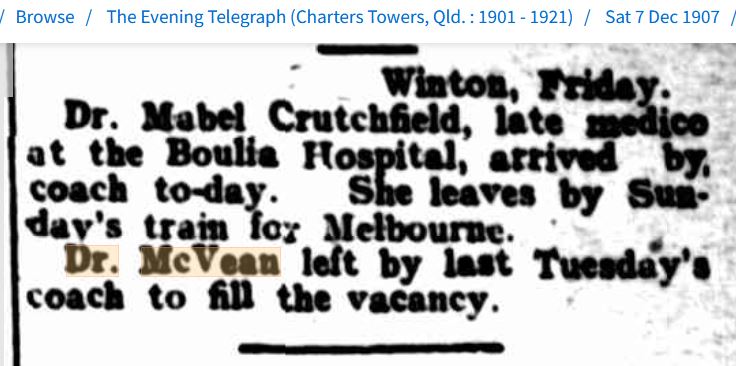
A couple of things to mention here before we move on. The first, I think we got an answer to how Donald got to Cloncurry.
With this mention above about Dr Crutchfield leaving on the train from Winton for Melbourne, I looked to see where the railway ran to at that time and it went as far west as Hughenden. https://en.wikipedia.org/wiki/Great_Northern_Railway_(Mt_Isa_line)
I think Donald took the train from Townsville to either Hughenden or right out to Richmond and then the Cobb and Co from there out to Cloncurry. I’ve marked on this map below from 1904 approximately where Cloncurry sits to the west of Richmond.

Figure 60: Courtesy of Queensland State Archives on Flickr
https://www.flickr.com/photos/queenslandstatearchives/26480552774
I have also marked at the very bottom left of the map approximately where Boulia sits in relation to Winton. Boulia of course is the town Donald was heading to on that Tuesday coach from Winton, mentioned in the article above.
Also check out this article below from Winton, describing exactly the conditions at the time that Donald was travelling.

Those daytime temperatures are all in the early 40C and the 9pm one in the bar was 38C. How lucky to find this article, it’s like opening a window with a view directly into Donald’s world.
And here next, is the most amazing photograph of the coach that Donald most likely would have been travelling in. This coach is parked outside the store of William Fielding in Boulia.
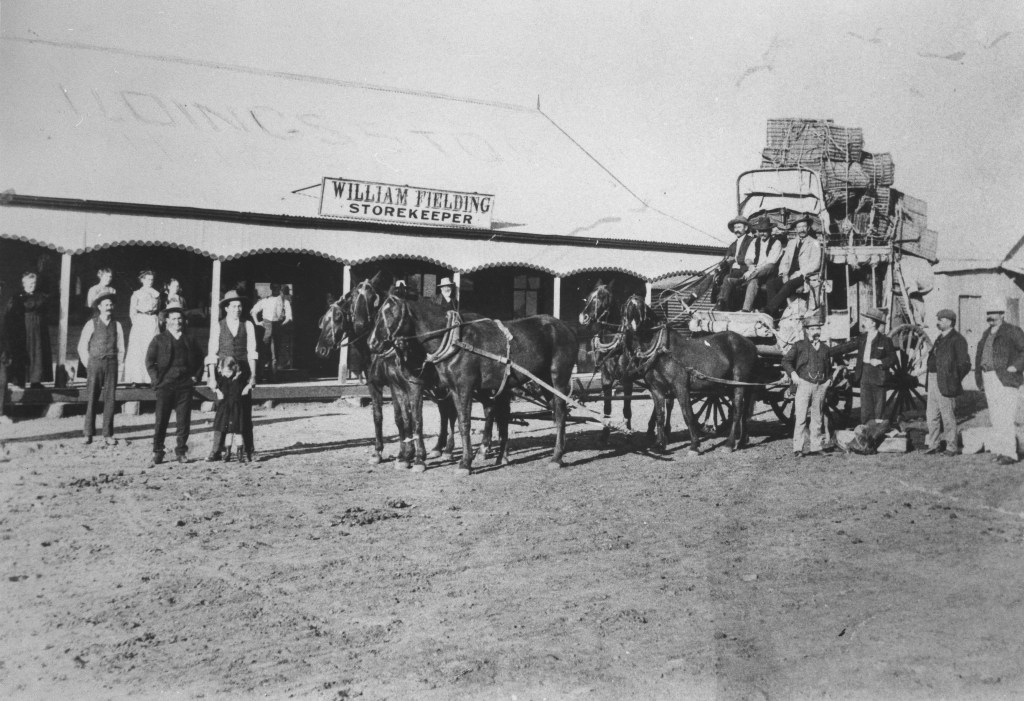
Figure 62: Courtesy of the State Library of Queensland
https://collections.slq.qld.gov.au/viewer/IE249142
The next subject I want to mention is Dr Mabel Crutchfield. She was a pioneering medical woman of her time, completing her Bachelor of Surgery degree in 1906 at the University of Melbourne. https://www.northweststar.com.au/story/4413434/pioneers-in-health/
I can’t believe how lucky we are to find this next article as it is about Mabel and hints at the prejudice she was going to face as a young 24-year-old woman practising medicine in the outback.
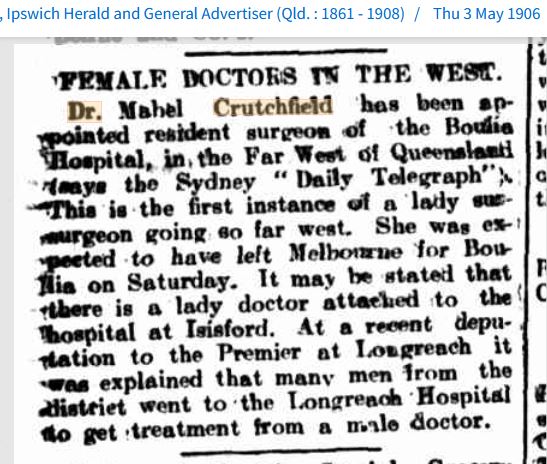
I also found a wonderful photo of Mabel on Ancestry.com.au that coincidentally bears the same date as the article above.
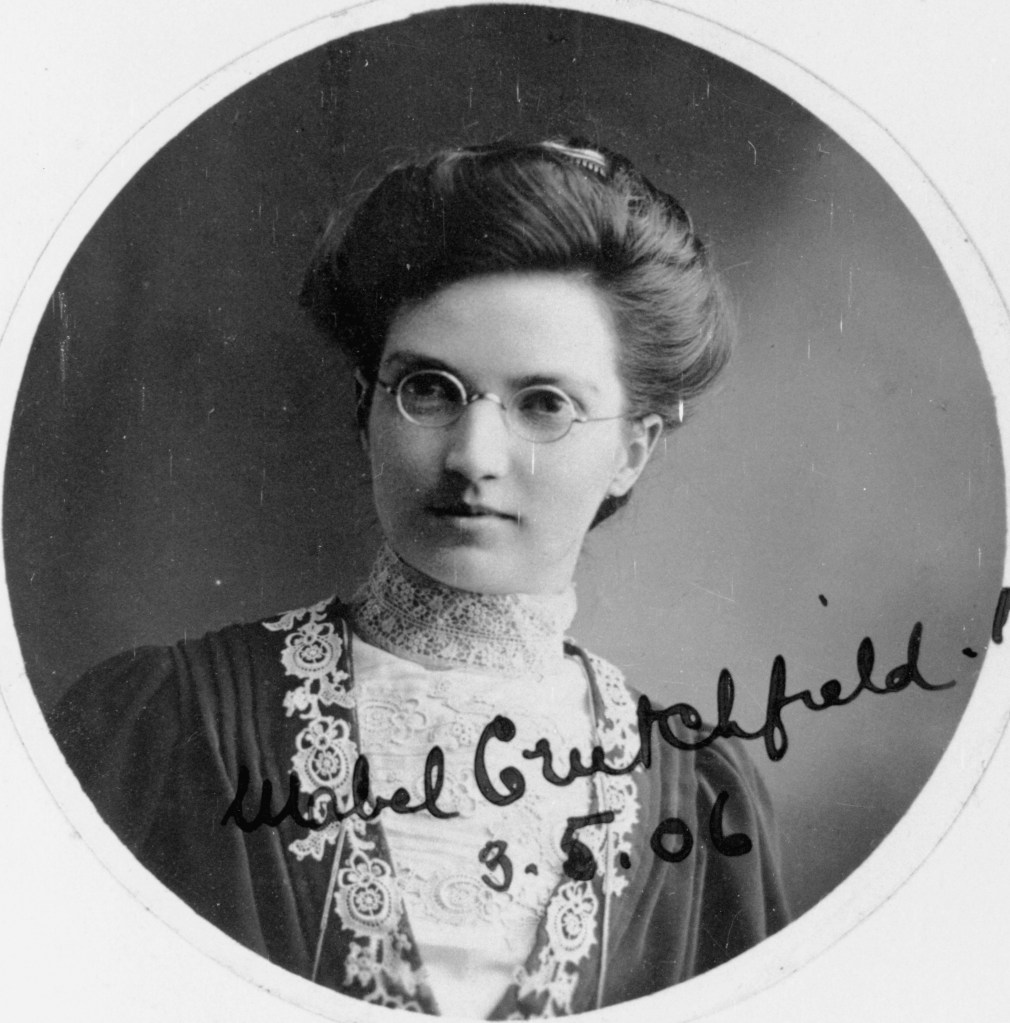
Figure 64: Courtesy of the State Library of Queensland
https://collections.slq.qld.gov.au/viewer/IE134175
This next article was printed on her departure from Boulia just as Donald was taking her place. It is three pages long but it is well worth the read and gives such an amazing insight into the world that not only Mabel was living in but Donald was about to move into.


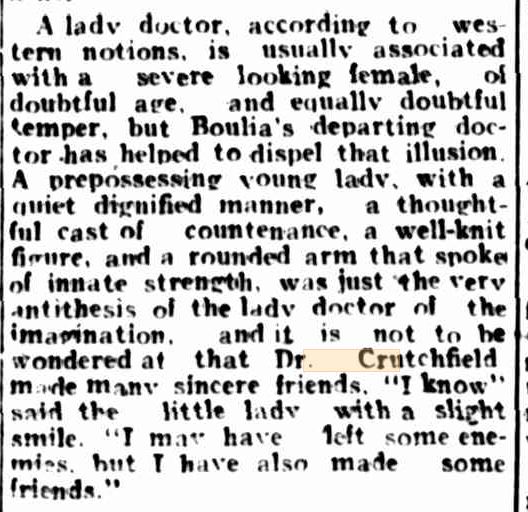
Ancestry.com.au also had the most amazing photo of Mabel and how she travelled on her rounds in the community.

Figure 65: Courtesy of Ancestry.com.au User, Valerie S Regos
I then found this fantastic photo showing that camels were used at Cloncurry in 1907. I’m sure Donald would have been using this form of transport whilst doing his rounds as well.

Figure 66: Courtesy of State Library of Queensland
https://collections.slq.qld.gov.au/viewer/IE134376
If you read my previous post about Donald you might remember that the next thing to happen to him was his very sudden death.

Donald passed away on the 6th February 1906, basically seven weeks after his arrival at Boulia.


Figure 68: Courtesy of the Macvean Family Archives
It is so sad to see the columns for parents and spouse names empty on Donald’s death registration. I’m assuming as he had only been in Boulia for such a short time there was no time for anyone to know this important information about him.

Here is a photo of the hospital at Boulia from 1906. The small building at the back is the morgue. I imagine this is where Donald’s body was taken after he passed away.
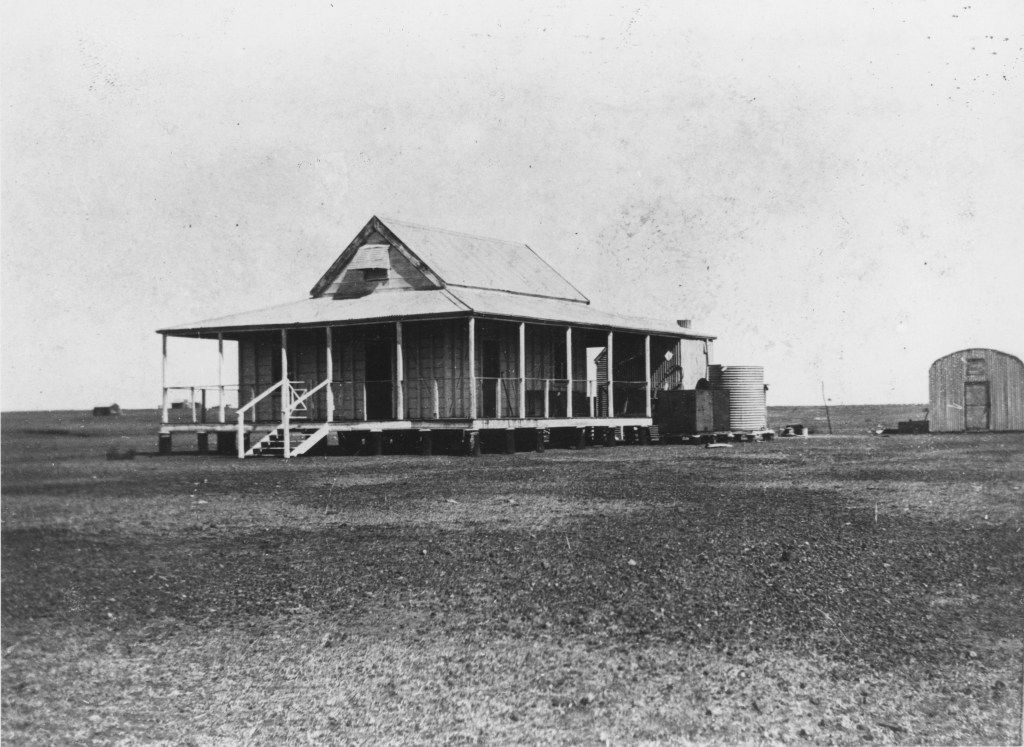
Figure 69a: Courtesy of the State Library of Queensland
https://collections.slq.qld.gov.au/viewer/IE78682
I wondered at the pointed barb mentioned above, “physician, heal thyself” and found this next article that gives us a clue as to what they might have been hinting at.

What a terrible way for Donald to be remembered. I do hope none of the family saw this article.
And no wonder Donald was suffering from heat apoplexy, just take a look at the temperatures he and the rest of Boulia were suffering under at the start of 1908. I have marked all the days up till the day of Donald’s death that he had endured.
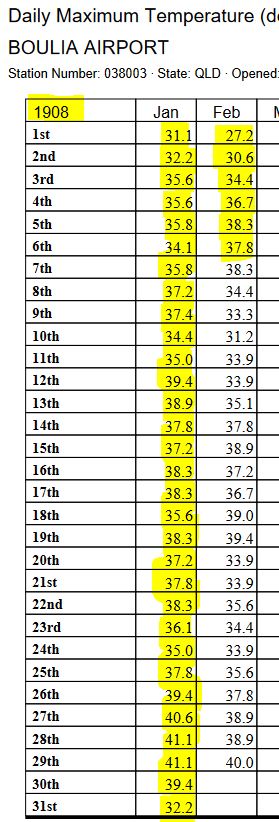
Figure 71: Courtesy of the Australian Government Bureau of Meteorology http://www.bom.gov.au/qld/?ref=hdr
I know I would definitely be hitting the drink if I was having to live through those temperatures with no respite.
The State Library of Queensland had some photos of Donald’s Boulia online. How lucky again, to get the opportunity to see the place he was living at before he passed away.
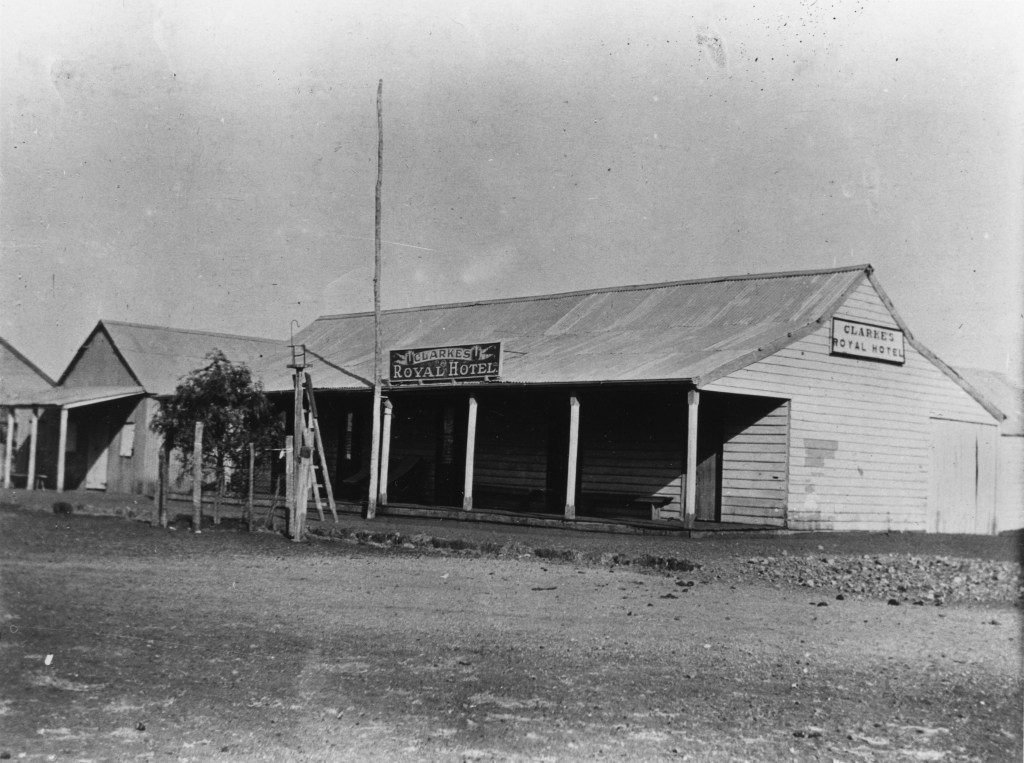
Figure 71a: Courtesy of the State Library of Queensland
https://collections.slq.qld.gov.au/viewer/IE78709
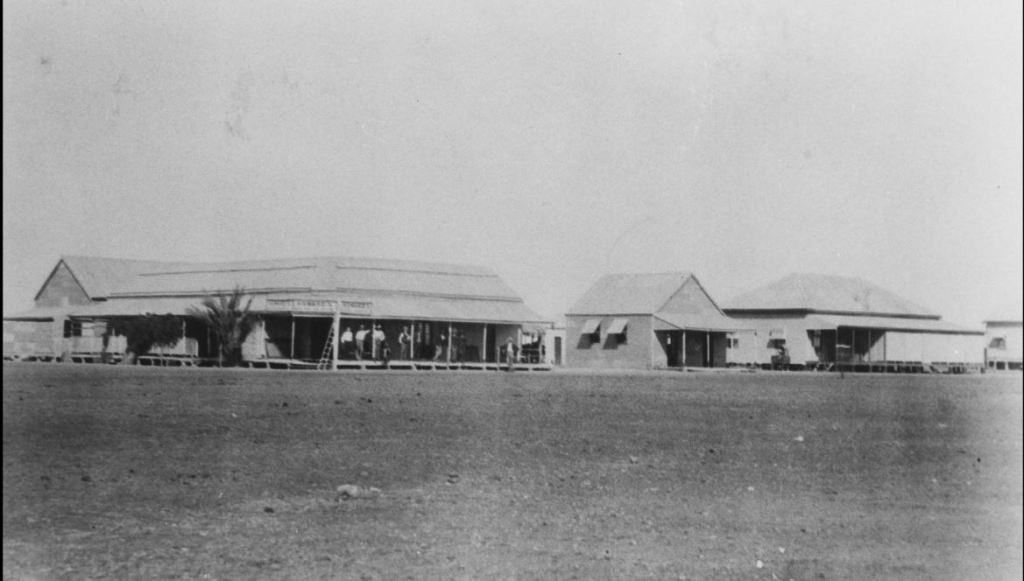
Figure 71b: Courtesy of the State Library of Queensland
https://collections.slq.qld.gov.au/viewer/IE383856

Figure 71c: Courtesy of the State Library of Queensland
https://collections.slq.qld.gov.au/viewer/IE125106
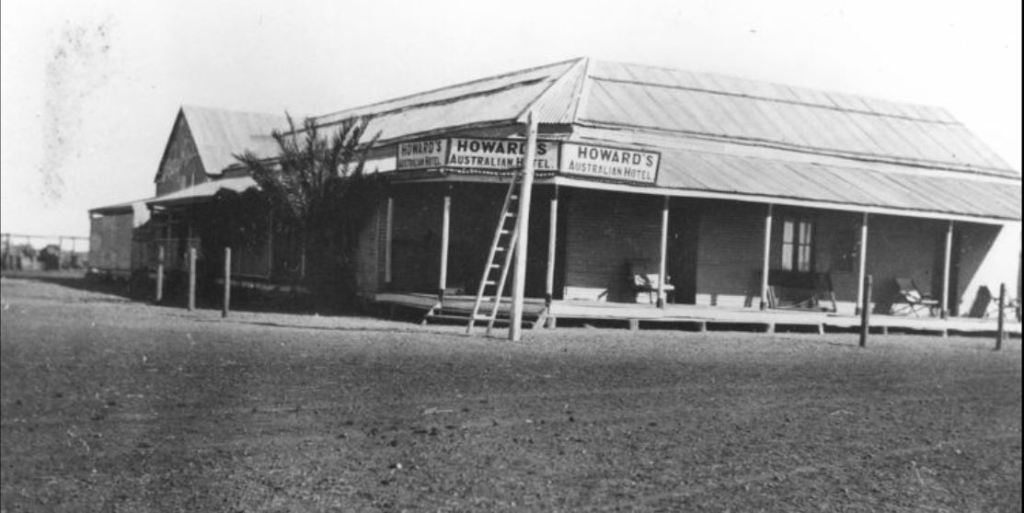
Figure 71d: Courtesy of the State Library of Queensland
https://collections.slq.qld.gov.au/viewer/IE53491
Having these glimpses into Donald’s world with access to these photos is wonderful, but I have always loved a map to orientate these places in the space.
I went looking and unfortunately, there are no maps of the town from Donald’s time, that I can find. The earliest I can get is from 1954, nearly 50 years after Donald but I’m sure the layout would have been the same and it gives us a sense of where the hospital was in relation to the rest of the town.


Figure 71e: Courtesy of Queensland Government Archive Search
https://www.archivessearch.qld.gov.au/items/ITM640146?digrep=DR153152
In regards to Donald’s final resting place, we know from his death registration above that he was buried at Boulia cemetery but unfortunately, there is absolutely no record of where he might be, as he does not appear in the cemetery records.

It didn’t take too much digging to find out why Donald was missing from their records. Look what happened in 1951.

And here is a photo of the shire buildings in 1940, eleven years before they burnt down.

Figure 73a: Courtesy of the State Library of Queensland
https://collections.slq.qld.gov.au/viewer/IE123972
All that local history gone up in smoke and flame, this included all of the cemetery records. https://austcemindex.com/cemetery?cemid=701#google_vignette
A couple named Peter and Karen Patterson-Kane photographed all the surviving burial spots with inscriptions back in 2010, there were 116 still surviving and none of them were Donald.
Back to Dr Mabel Crutchfield and Donald for a moment. I’m not sure they ever met but I’m sure Mabel would have known of Donald. After Donald’s sudden death, Mable eventually returns to Boulia to take over his position.
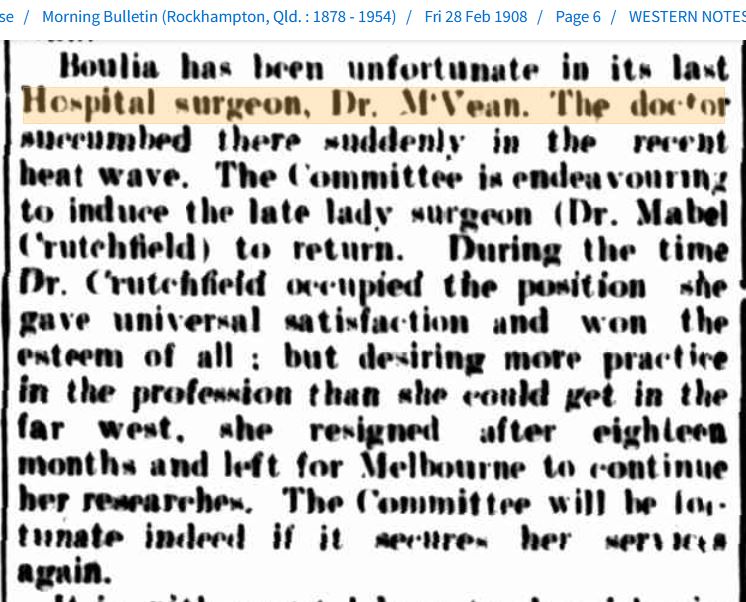
This next article confirms her return and shows that Donald is already disappearing from the story.

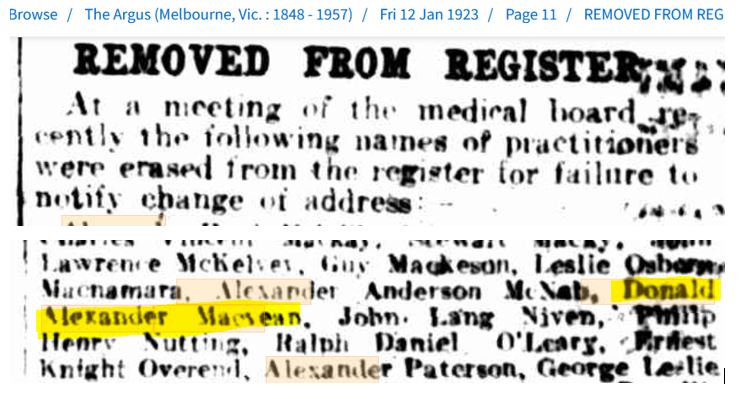
And here below is Donald’s final mention in the press, some 15 years after his death, his removal from the medical board registration.
One final mystery to mention here concerning Donald is his wife. Yes, he was married.
Clara Margaret Sanders. She and Donald married on the 11th of December 1899 in Great Berkhampstead, Hertford, England. This was six years before he departed for Sydney on the Suevic.

There appears to be only one show in town when it comes to churches in Great Berkhampstead that they might have married in, St Peter’s. It was roughly 680 years old at the time of Clara and Donald’s marrying. Oh yes, you read that correctly, 680 years!
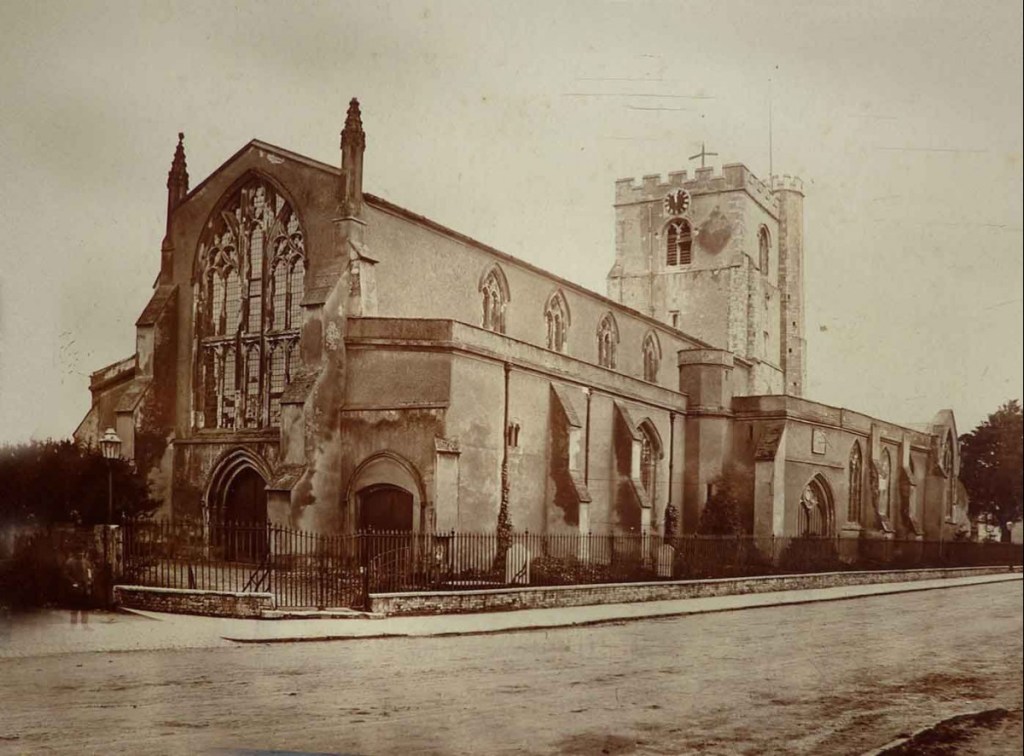
Figure 79: Courtesy of Rectory Lane Cemetery https://www.rectorylanecemetery.org.uk/wp-content/uploads/2021/06/st-peters-church-1622808510.jpg
The church celebrated it’s 800th anniversary in 2022. Here it is pictured below, the year before, on it’s 799th anniversary.
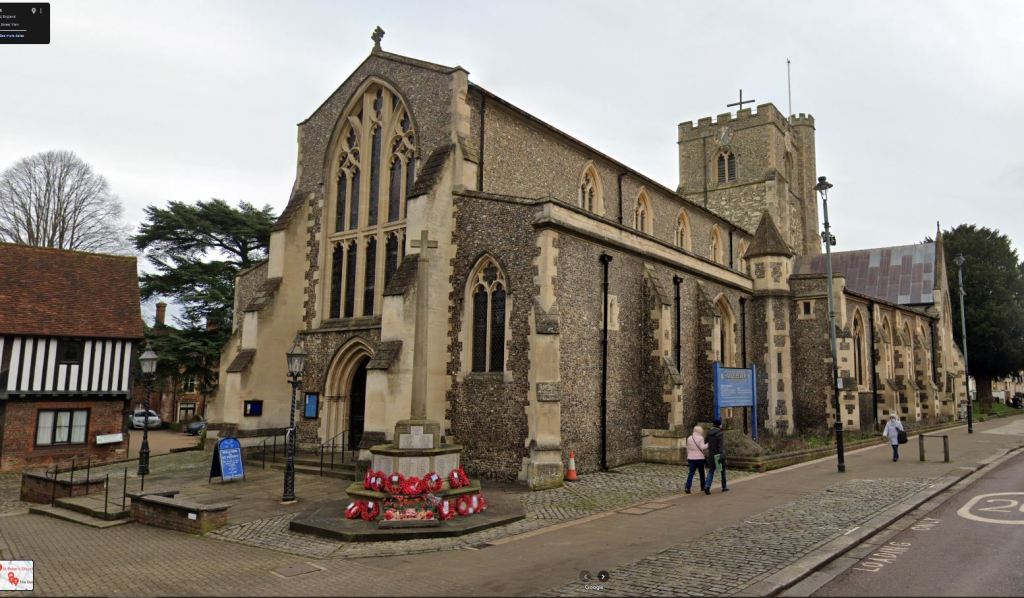
Figure 80: Courtesy of Google Maps
I just had the most fantastic find on Newspapers.com, Clara and Donald’s wedding notification and it confirms that they did indeed marry in St Peter’s.

And this amazing photo from the Church’s website shows what the interior of the church looked like when they married. This is just four years before Clara and Donald’s big day.

Figure 82: Courtesy of St Peters Berkhampsted
https://www.stpetersberkhamsted.org.uk/heritage/history/#anchor48
What is really interesting to note here is that there was a substantial age difference between them. Donald was born on the 26th of August 1875. I can’t believe it but Newspapers.com delivered again, a birth notice for Donald.
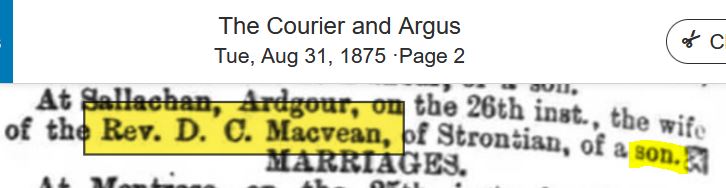
He was just 24 years of age when he and Clara married.
Clara was born on the 11th of January 1860, in Calcutta, India. (No judgement but can you see where I’m going here?)

Clara was 39 years of age when she said “I do” to Donald. That is almost 16 years older than him. I mean was this unusual for the time? Did they suffer any prejudice because of the age difference? Also, what did their families think of this age gap and is this one of the reasons why Clara didn’t follow Donald out to Australia, her age and what people might have thought of that age difference?
I scanned every passenger list I could find from a year before and after Donald’s departure and I couldn’t find Clara on any of them.
I did think that maybe I had the wrong Clara Sanders marrying Donald but then I found a family memorial for her in the Dean Cemetery in Edinburgh, Scotland.

This confirmed for me that we had the correct Clara with no doubt, there was Donald’s name on the headstone.
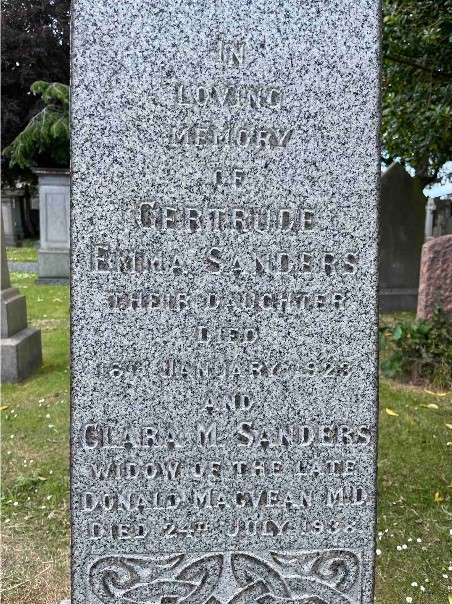

It was also good to have the other details match up with what we already knew. Clara’s parents’ names and the fact that her father was a professor at the University of Calcutta certainly matches with the fact that Clara was born there.
I say memorial because this is not where Clara is buried. I found a probate listing for Clara on Ancestry.com.au that gives us a clue as to where she might be. Clara passed away in 1938.
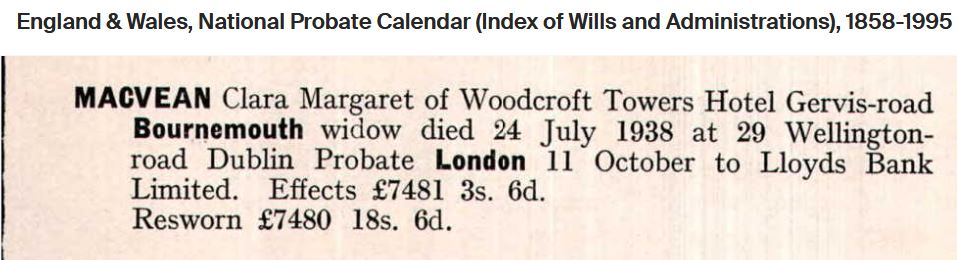
She was living in a Hotel in Bournemouth at the time but died in Dublin Ireland. The property she died at, 29 Wellington Road, Dublin still stands.

Figure 88a: Courtesy of Google Maps
Below is a photo of the entrances to No. 23 & 25, just to show us what No. 29 probably looks like behind those bushes. These terraces were built between 1845-1855. https://www.irishtimes.com/life-and-style/homes-and-property/new-to-market/stately-ballsbridge-original-for-2-25m-1.2607935
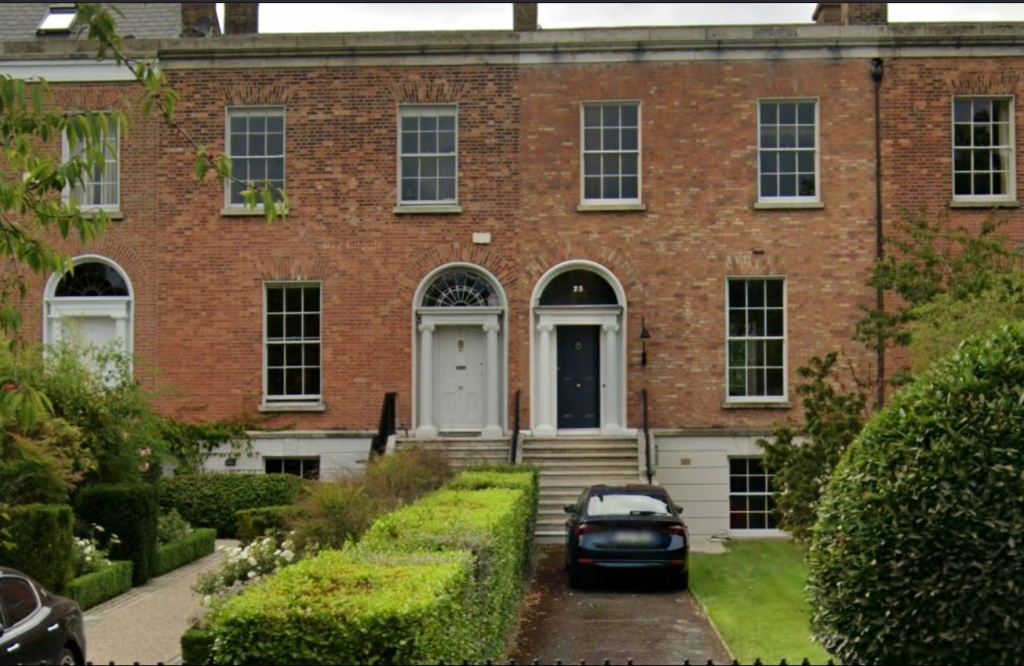
Figure 88b: Courtesy of Google Maps
I can only assume Clara must have been visiting someone here in Dublin at the time of her death.
This amazing advertisement below is from a 1938 Bournemouth Guide, shared on Flickr. It is exactly of Clara’s time, being the same year she passes away and shows the Woodcroft Towers, her address listed on the probate document above.
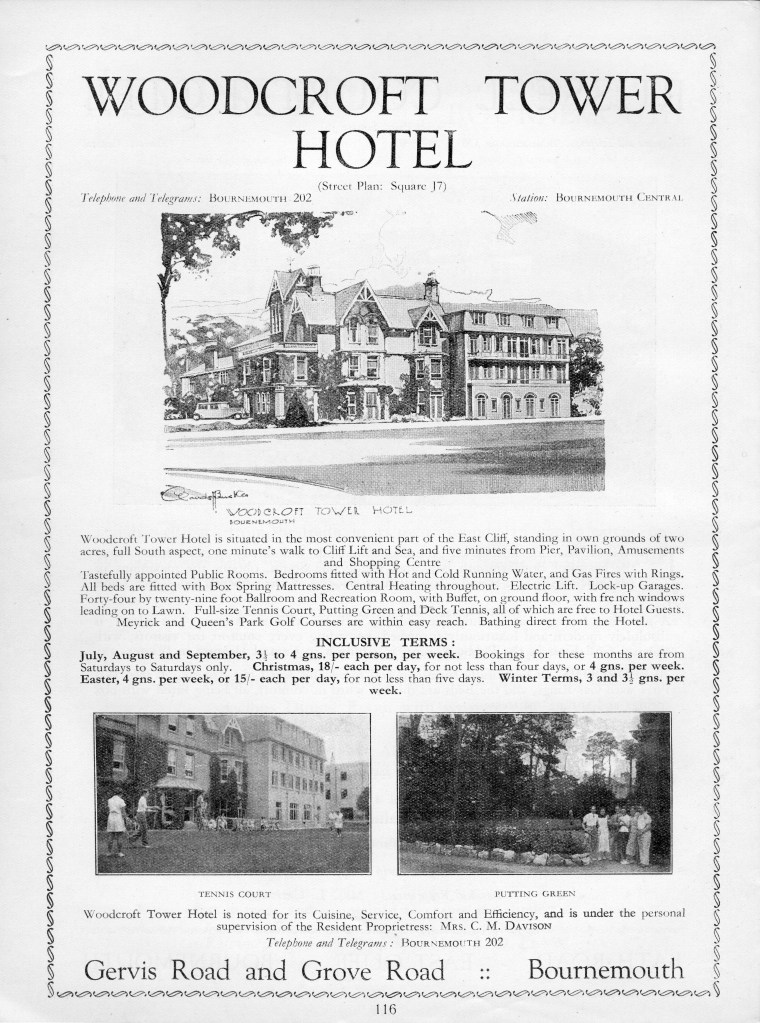
https://www.flickr.com/photos/alwyn_ladell/albums/72157626463642284/
The hotel was still operating up until 2014 when the owners at that time went bankrupt. It stood derelict for the next eight years.

https://www.flickr.com/photos/alwyn_ladell/albums/72157626463642284/with/9005071581
Until this happened in March 2020.

https://www.dorsetview.co.uk/fire-destroys-derelict-bournemouth-hotel/
What a waste, the owners at the time were waiting on approval to convert the old building to a luxury boutique hotel. https://www.bournemouthecho.co.uk/news/16320603.bournemouth-hotelier-warns-derelict-building-putting-lives-risk/
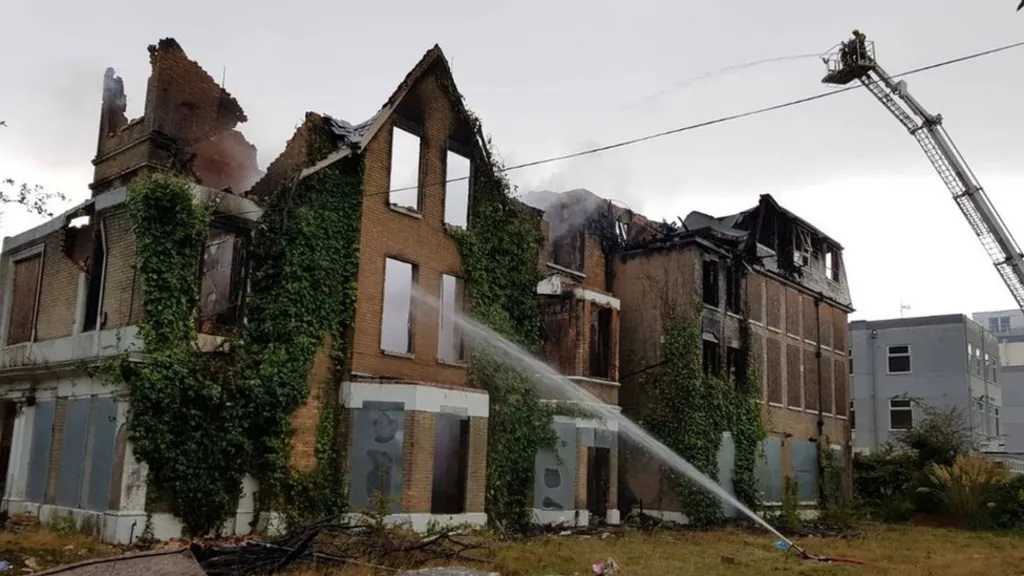
https://www.bbc.com/news/uk-england-dorset-54276230
Back to the clue of where Clara might be buried, Ireland or more specifically Dublin.
I found a listing for Clara on the Find A Grave website.
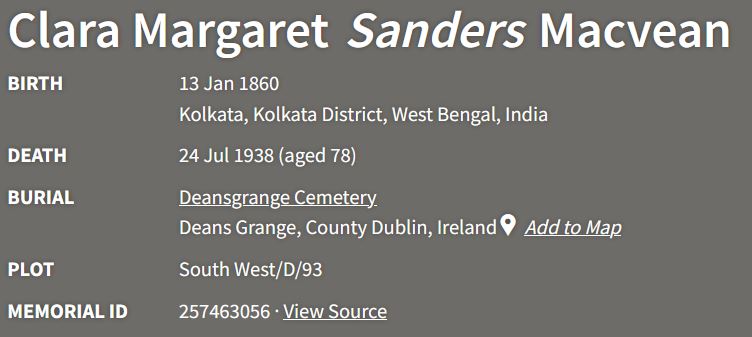
Deansgrange Cemetery in Dublin, Ireland. Nice match-up to what we knew, thank you very much. The only problem when I searched the Cemetery’s website was, that Clara wasn’t coming up as being buried there. Again, damn!
I tried searching with the plot description instead of her name and look what came up.
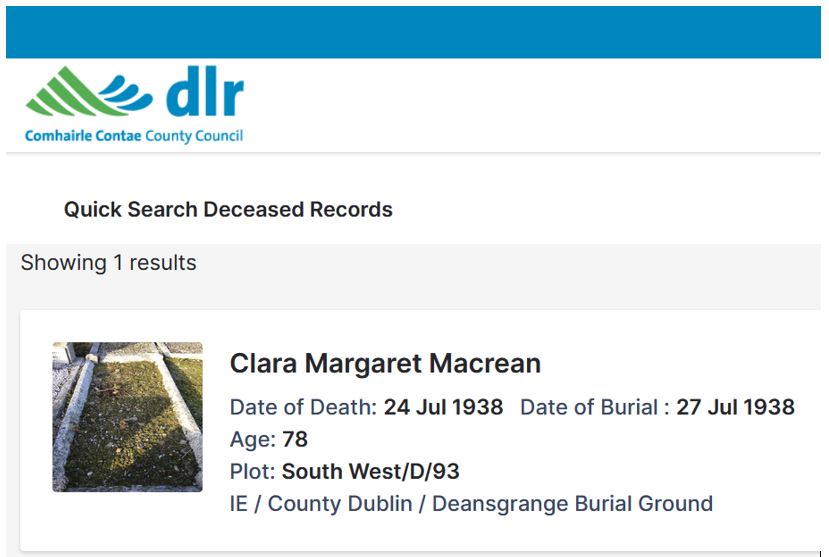
https://dlrcc.discovereverafter.com/
See, just one incorrect letter can stop you in your tracks but you just have to think of other ways around it. Nine times out of ten it doesn’t work but that one time it does, it is fantastic.
The council site also had a photo of Clara’s burial plot.
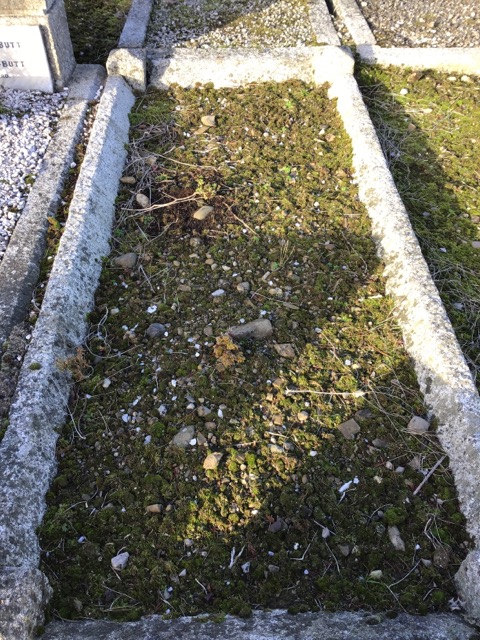
Figure 95: Courtesy of Comhairle Contae County Council
https://dlrcc.discovereverafter.com/
It is brutal isn’t it when there is no headstone? It is just a dirt patch in the ground that says nothing about the life that was led.
I know it doesn’t mean anything special to anyone but to me it is another precious piece of Clara’s story that I have been able to capture, which is really another piece of Donald’s story as well and it just seems like the right thing to do. To put the pieces together and hopefully preserve it for the future.
I contacted the council where Clara is buried and they corrected the surname immediately, they also very kindly gave me permission to share their photos and information they had on Clara.
They also had one other piece of information to share that cemeteries here in Australia don’t even want to talk to you about. The original burial registry book.
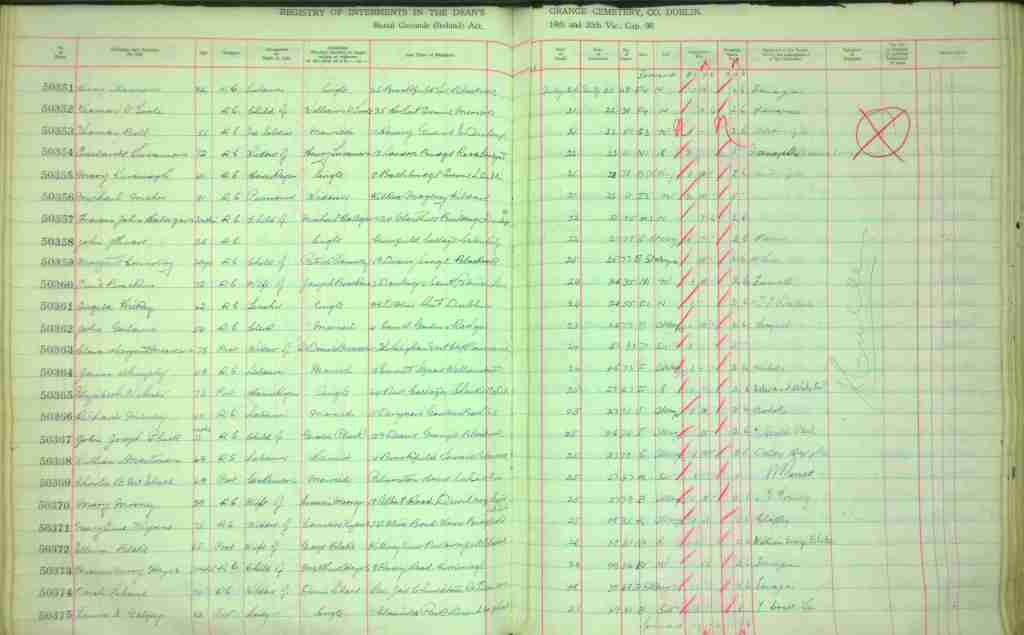
Here are Clara’s details from the book.


Figures 96-99: Courtesy of Comhairle Contae County Council
https://dlrcc.discovereverafter.com/
Again, it might seem like worthless information but there is the link to Donald for us that is not in the burial details and there is a different address for Clara as to what was listed in the probate listing, Figure 88.
The Langham sat at the other end of the block to the Woodcroft Tower. Here it is in an advert from 1947, just nine years after Clara’s time.

https://www.flickr.com/photos/alwyn_ladell/8358365465/in/photostream/
This is the site as of 2019 thanks to Google Maps.

Figure 101: Courtesy of Google Maps
See, another sliver of Clara’s story we wouldn’t be aware of if that one page of the original burial registry wasn’t shared.
Oh I so want to know Clara and Donald’s full story. How did they meet and how did their relationship develop?
Why did a 39-year-old woman at the end of the 19th century agree to marry a 24-year-old newly graduated Doctor from Scotland? Where did they live after their wedding at Great Berkhampstead? Did Donald have his own practice somewhere or was he working in a hospital? Why did he go to Australia without Clara just six years after their wedding?
And did Clara ever make it out to see where her husband was buried in that scratch in the dirt of a town, Boulia, way out in Western Queensland, Australia?
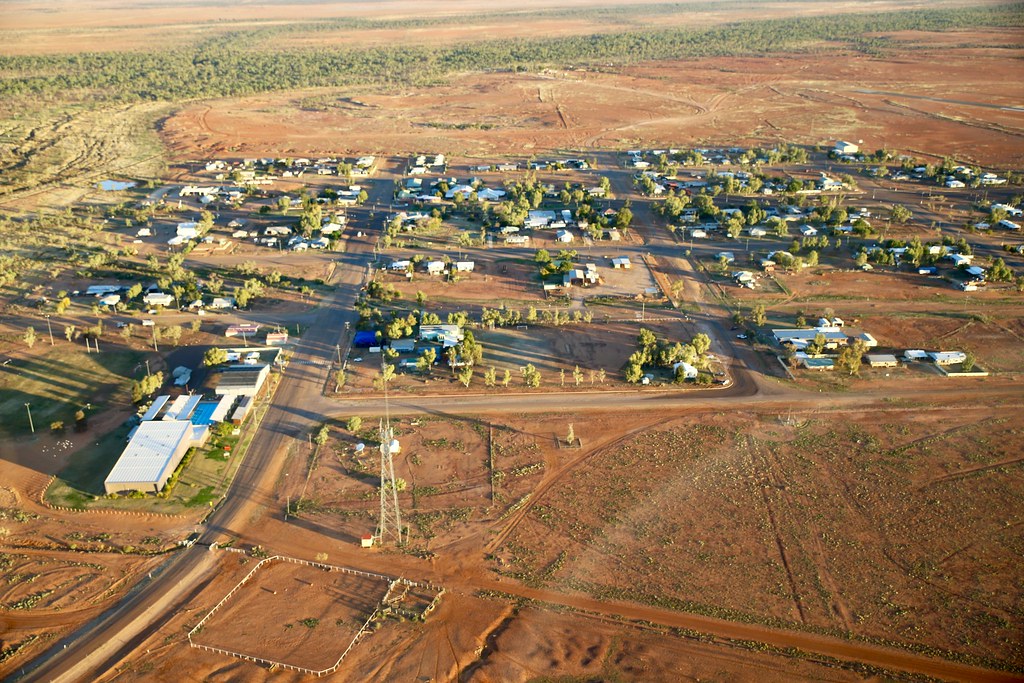
Figure 102: Courtesy of Hydrosmart
https://hydrosmart.com.au/boulia-shire-council-bore-water-treatment/
The answers to these questions are hidden at the moment. But wow, we were so incredibly lucky to be able to build up a great picture of Donald and his family’s lives with the questions we were able to answer.
Unfortunately, this is the end of Donald’s story and I think a photo of his final resting place in Boulia is an appropriately poignant way to send him off.
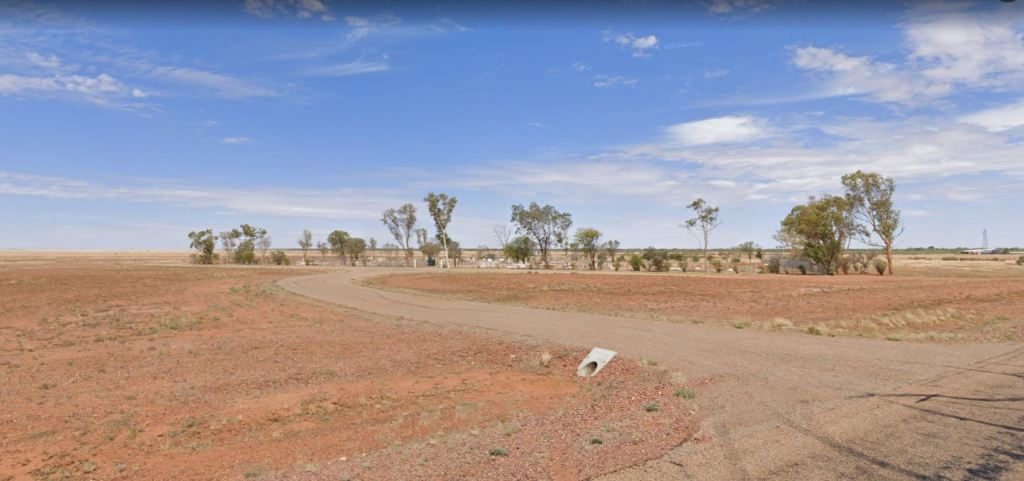
Figure 103: Courtesy of Google Maps
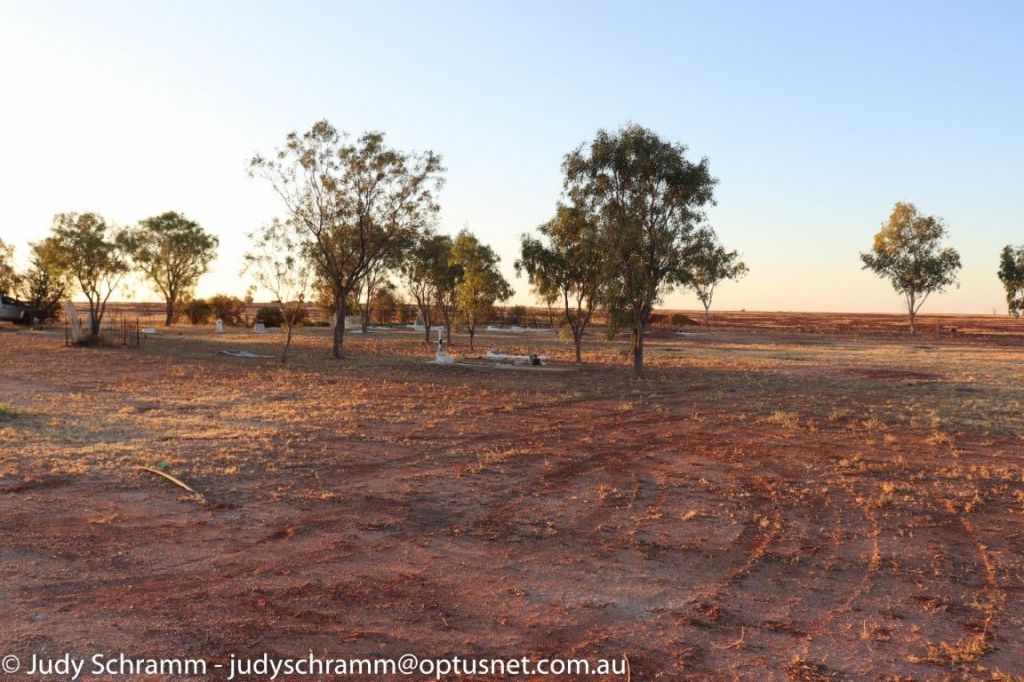
Figure 103: Courtesy of Find A Grave, Supplied by Judy Schramm, Find A Grave User
 JOHN'S FAMILY HISTORY
.jpg)

