Marion Jane Macvean, née Fraser, Married to my 1st Cousin 4x Removed, John Macvean
Banner Images:
- Australian Red Cross History: https://www.redcross.org.au/about/
- Country Women’s Association: http://nla.gov.au/nla.obj-466431504
- News Articles: https://trove.nla.gov.au/
- State Savings Bank: http://nla.gov.au/nla.obj-142760673
I first became aware of Marion when searching for information on the Macvean family for my most recent posts titled, “The Macveans through the 1920s & 1930s.”
Here is the one and only photo we have of Marion at this stage.

Figure 1: Courtesy of Trove, National Library of Australia
It was attached to this small mention in The Sydney Morning Herald from July 16th 1936.

Based on the reading I have done so far on Marion, it is clear that she was a highly motivated woman when it came to helping others in her community. This article above, although brief, clearly demonstrates this commitment. She was the president of the Red Cross and the Country Women’s Association (C.W.A.) simultaneously.
As the president of these organisations, I was hoping that a photograph of Marion might be hidden away in one of their archives. So I shot off an email to both and waited with fingers crossed for an answer.
I heard back from an Archives Volunteer for the Red Cross first.

How fantastic it was to get a response. It’s a bummer about the photo, but the volunteer very kindly went through and scanned in the few mentions that they had of Marion in their archives.
These small slivers of information confirm that Marion was there when the Quirindi branch first formed on the 27th of March 1929, being elected co-vice president and treasurer.
1929-30

1930-31

1931-32


1932-33

1933-34

1934-35

1935-36

1936-37

1937-38

1938-39

1939-40

1940-41

1941-42

1942-43


Tiled Gallery 1: Courtesy of the Red Cross Australia
What about that total amount raised in 1942-43, £3,369? I put that figure into the Reserve Bank of Australia’s pre-decimal calculator just to see what the equivalent would be today. Wow! it is showing that it is worth $294,206.25 in today’s money. https://www.rba.gov.au/calculator/annualPreDecimal.html
That is incredible when you think that there were only 102 Red Cross members registered that year. I checked the Australian Bureau of Statistics’ Statistical Register for Municipalities and Shires for the end of 1942, and it notes that there were 2,360 people in Quirindi itself and only 5,190 people in the entire Liverpool Plains Shire, of which Quirindi is a part. https://www.abs.gov.au/AUSSTATS/abs@.nsf/DetailsPage/3311.11943?OpenDocument
That is a hell of an amount of fundraising and donating going on, thanks to just the Red Cross.
You probably noticed that, during Marion’s 13 years of Red Cross service, there was only one year that she wasn’t President: 1941-42. She wasn’t resting. I found a notice of her attending both the Red Cross and the C.W.A. state conferences that year.
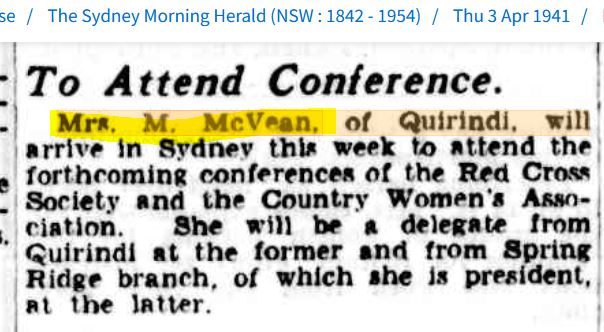
Here is an account of the opening of the actual first day of the Red Cross conference on April 16, 1941.
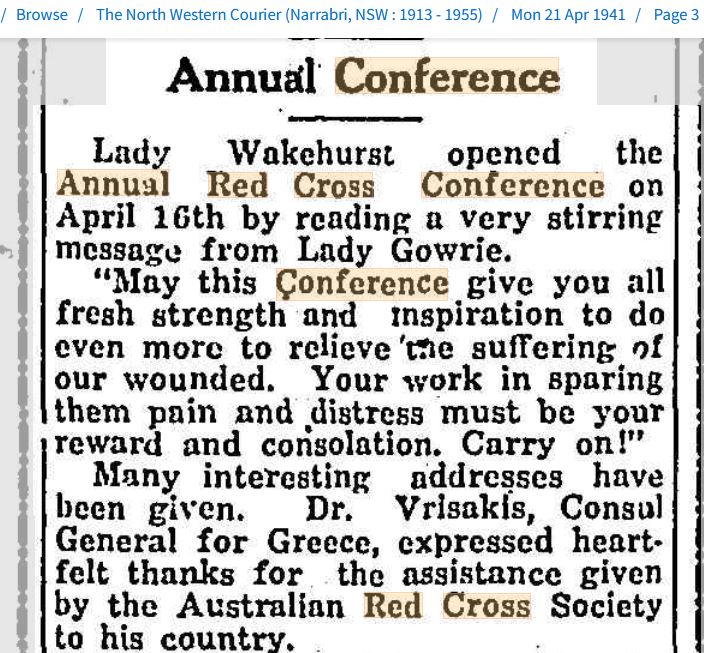
Lady Margaret Loder Wakehurst was the wife of the Governor of New South Wales at the time, Sir John de Vere Loder, 2nd baron Wakehurst. Lady Zara Hore-Ruthven, Countess of Gowrie, was the wife of the Governor-General, Sir Alexander Hore-Ruthven, 1st Earl of Gowrie.
- https://adb.anu.edu.au/biography/wakehurst-margaret-loder-12109
- https://adb.anu.edu.au/biography/gowrie-lady-zara-eileen-7043

Figure 5a: Courtesy of the National Portrait Gallery
https://www.npg.org.uk/collections/search/portrait/mw135993/Dame-Margaret-Wakehurst-ne-Tennant?

Figure 5b: Courtesy of the State Library South Australia
https://collections.slsa.sa.gov.au/resource/SRG+488/18/114
Unfortunately, I couldn’t find a photo of Marion attending the conference, but I did manage to find three photographs taken on that opening day of the conference, and that was it.
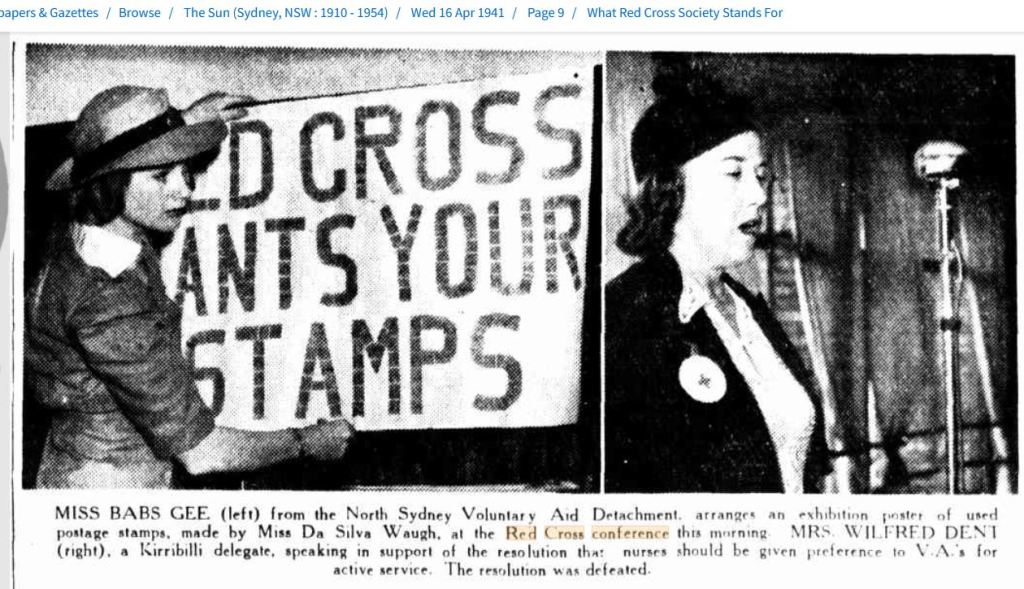

This was apparently the biggest conference held to that date. Over 900 women attended from all over the state. It was held at the David Jones Store in George Street, Sydney, pictured below, about 20 years earlier than the time of the conference.

Figure 6: Courtesy of the Powerhouse Collection
https://collection.powerhouse.com.au/object/31925
This next article is an excerpt from a report that the president of the Grafton Red Cross, Mrs T. A. Owen, gave to her branch on the conference. I’m sharing it here because it’s shocking to see what these women faced at the time and why their work was so important.
Marion, of course, wasn’t part of the Grafton branch, but she would have heard at the conference what Mrs Owen was sharing in her report.


How devastated they must have felt, but what an effort. They just picked up and started working again, and replaced the blood bank and equipment lost. What a shame stories like this aren’t shared in the history curriculum of our schools today. Just sharing.
If you are interested, here is the link to the full article. It is a great read. https://trove.nla.gov.au/newspaper/article/193761214?searchTerm=%22red%20cross%20conference%22#
In the afternoon of the first day of the conference, Marion and the other 899 delegates attended an afternoon tea at Government House. Now that would have been a sight, seeing all those ladies marching down to the bottom of Macquarie Street in Sydney, all the way from George and Barrack streets.
I found a mention of the afternoon tea in the Social Pages of the Australian Women’s Weekly printed later that month.


Article 2: Courtesy of Trove, National Library of Australia
I couldn’t resist, I went looking for photos of Government House from around the time, and I found these few amazing shots.

Figure 7: Courtesy of City of Sydney Archives
https://archives.cityofsydney.nsw.gov.au/nodes/view/569212?keywords=government+house&type=all&highlights=WyJnb3Zlcm5tZW50IiwiaG91c2UiXQ%3D%3D
This next shot looks towards Bennelong Point, showing the old tram sheds, which will eventually be replaced with the sails of the Sydney Opera House in about 40 years.
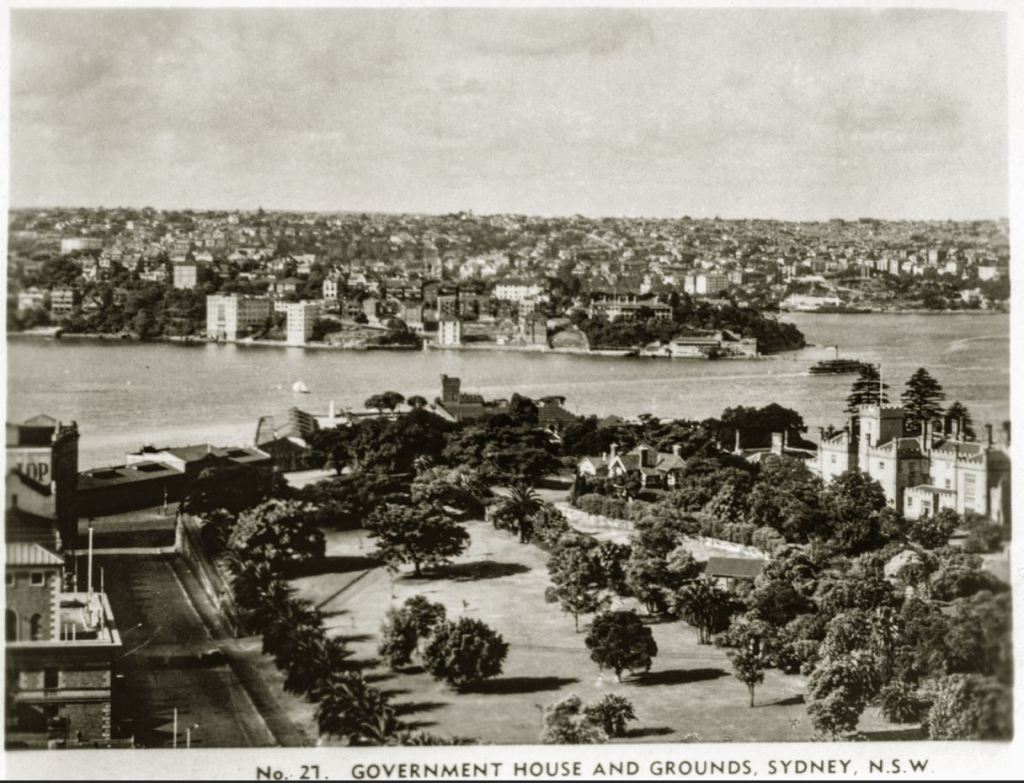
Figure 8: Courtesy of City of Sydney Archives
https://archives.cityofsydney.nsw.gov.au/nodes/view/1916524
The next shot is angled a little more to the right, showing the entrance of Farm Cove first, then Wooloomooloo Bay on the top right corner, with Macquarie Street running the length of the photo in the foreground.
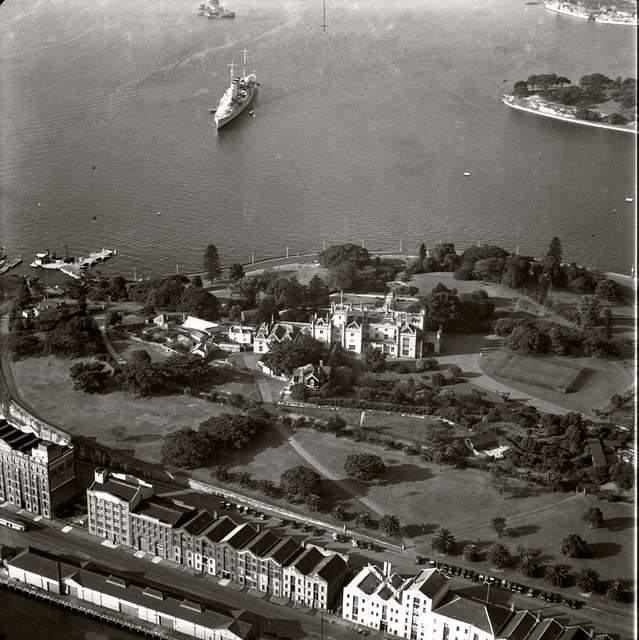
Figure 9: Courtesy of Picryl
https://picryl.com/media/government-house-and-grounds-16-june-1937-29998468975-047c87
I received a response from a contact at the Country Women’s Association, but unfortunately, they just forwarded my enquiry about Marion to the local historical society in Quirindi. Don’t get me wrong, I’m very grateful for that, but I was disappointed that they didn’t have a dedicated historical section that I could make contact with, considering just how important an organisation they are.
I received an email from the Quirindi District Historical Society who very kindly shared the little bit of information they could find on Marion. Unfortunately, no photo of Marion in their archives either.
They did, however, confirm that they had death notices on microfilm from the local Quirindi Advocate for Marion, John, and his sister, Elizabeth. This was great news, as Trove doesn’t have the Advocate available online for the time when they passed away.
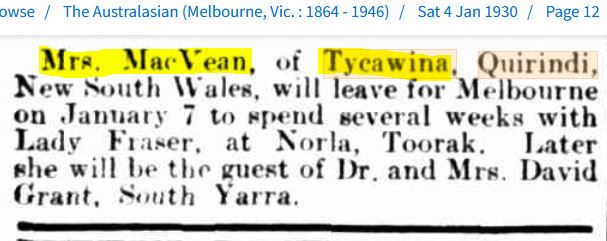
The Volunteer who emailed me also confirmed that they had a photo of Marion’s house in Quirindi, called “Tycawina”, which they stated was featured in a book on the area called “Quirindi 2000″ by Dorothy Durant.
Unfortunately, I can’t source the book anywhere, but it is held by the State Library of NSW in Sydney, so a visit to the library is on the to-do list for the next trip to the big smoke.
You might remember Tycawina is mentioned in the article featured in (Figure 2) above. Here are a few more mentions I found of the house.


Tiled Gallery 3: Courtesy of Trove, National Library of Australia
The historical society also shared the actual street address of Tycawina. The corner of Hill and Henry Streets, Quirindi. I went looking on Google Maps and I think I might have found a candidate.

Figure 10: Courtesy of Google Maps
It may not be this house, but out of the other three options, one is a church, and the other two corners are vacant; it looks like, if houses were standing on them, it was a long time ago.
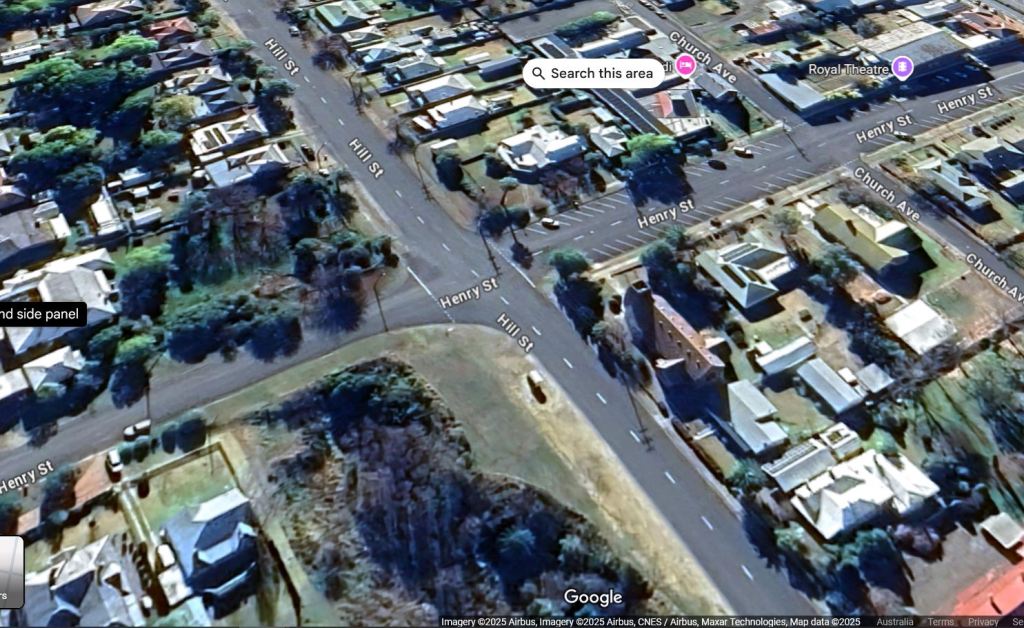
Figure 11: Courtesy of Google Maps
What really caught my attention now was the name, Spring Ridge. If you read my last post, “Part Three: The Macveans….”, then you will remember I shared that Spring Ridge was about 50km to the north-west of Quirindi.

Figure 12: Courtesy of Google Maps
On today’s roads, that is about 30 minutes in the car, but back in the late 20s, I imagine it would have been a much longer and more difficult trip. The question is, why was Marion president of a C.W.A. that far away from her home?
Not knowing when John and Marion first settled in the area, I began searching for them in Trove from the mid- to late 1890s (after their wedding) to the 1930s. OMG! What a treasure trove of information I unearthed. Over 100 mentions of them up until that time.
Amid all that historical gold, this article provided the clue as to why Marion was involved in the Spring Ridge community.
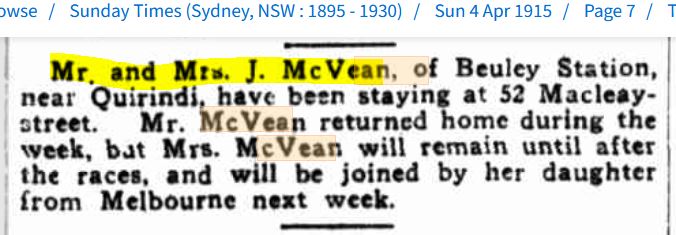
“Beuley Station, near Quirindi…” This was the key. So they weren’t actually in Quirindi yet, but near it, on Beuley Station. The station actually featured prominently in the trove of information I uncovered. A few examples below.
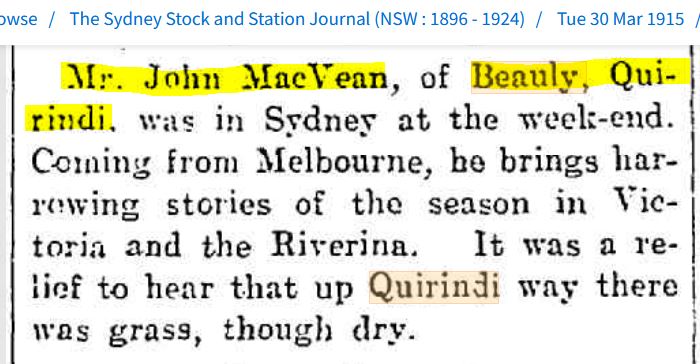
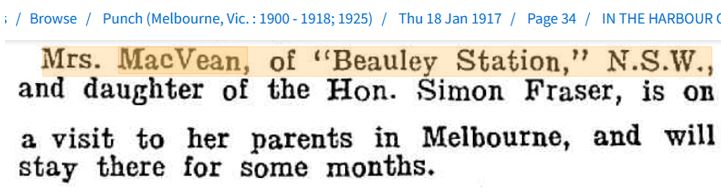


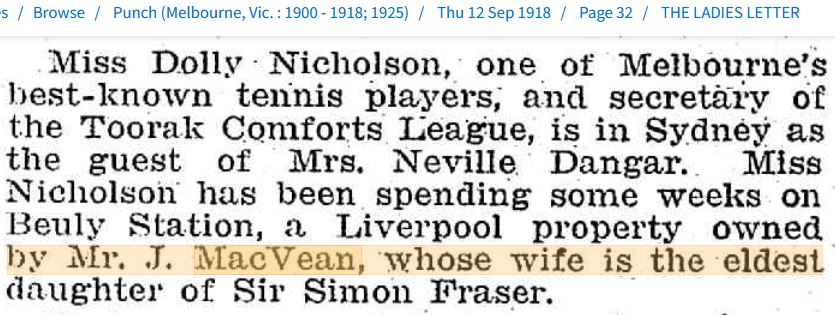

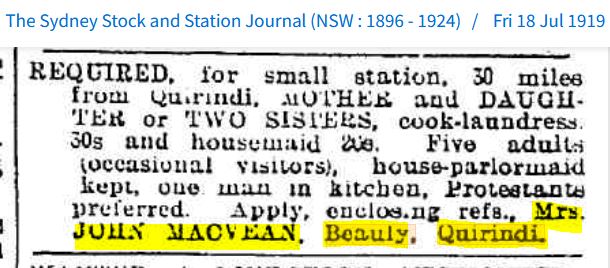



Tiled Gallery 4: Courtesy of Trove, National Library of Australia
What a fantastic array of information we have just from searching for “Beauly”, note the correct spelling. We will return to that, but first, I want to highlight a few points mentioned above.
In the first article above, No: 1, the “…harrowing stories…” mentioned, I’m thinking, is referring to the terrible season of drought and bushfires that most of the country was going through at the time.
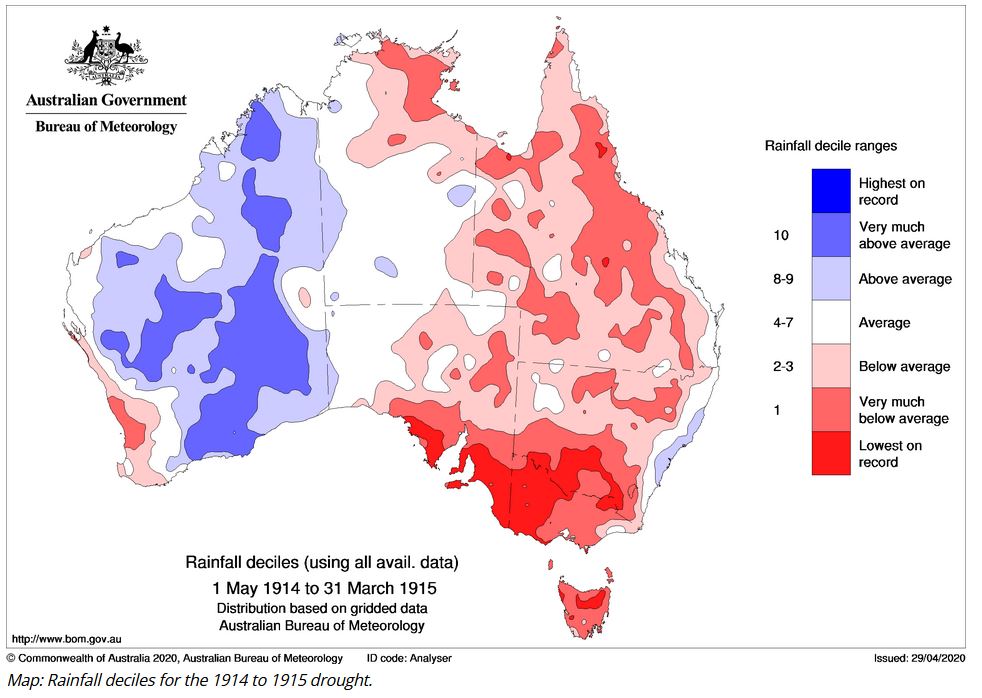
1914 had started off very hot. There were good falls of rain through March and April, but then extremely dry conditions set in and by the end of the year both southeastern and southwestern Australia were plunged into severe drought. This is a very rare occurrence and led to the failure of the national wheat crop that season. http://www.bom.gov.au/climate/drought/knowledge-centre/previous-droughts.shtml
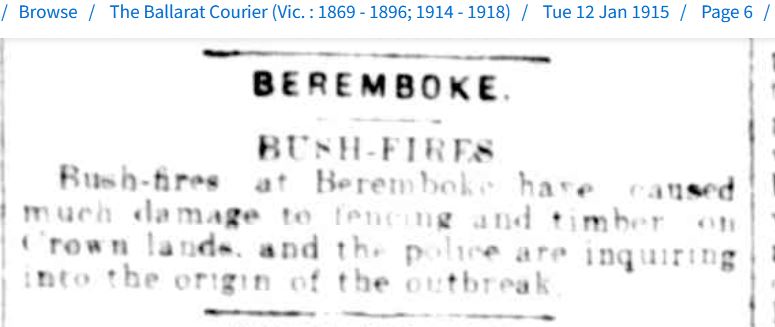
Here are a few highlights from the press at the time on the issue and a rainfall map from the Bureau of Meteorology for 1914-1915 showing just how dry it was.
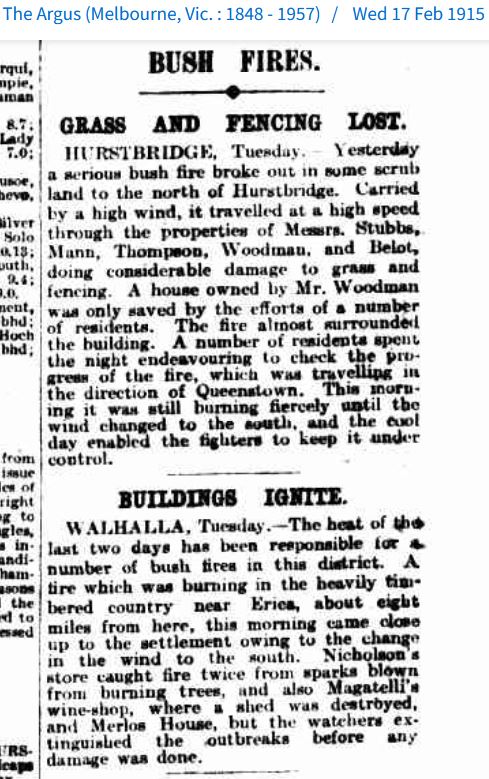
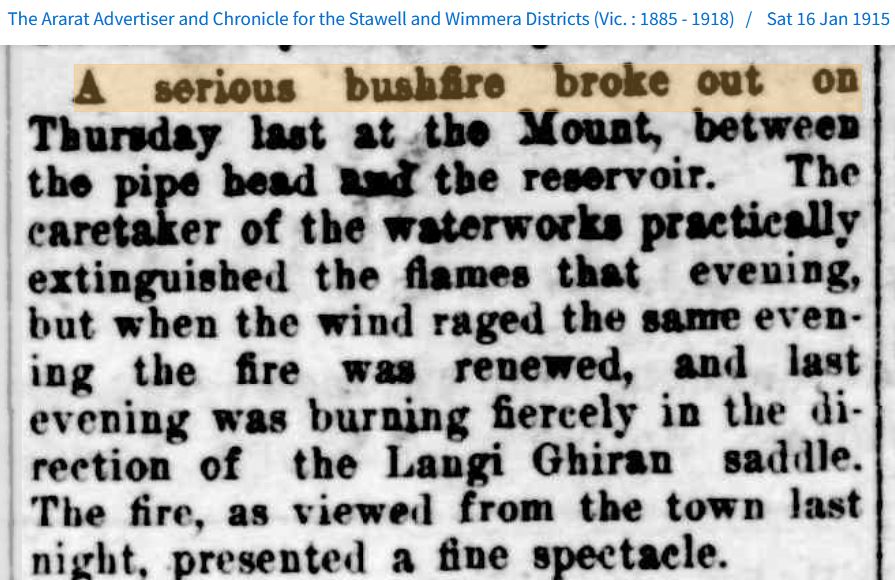
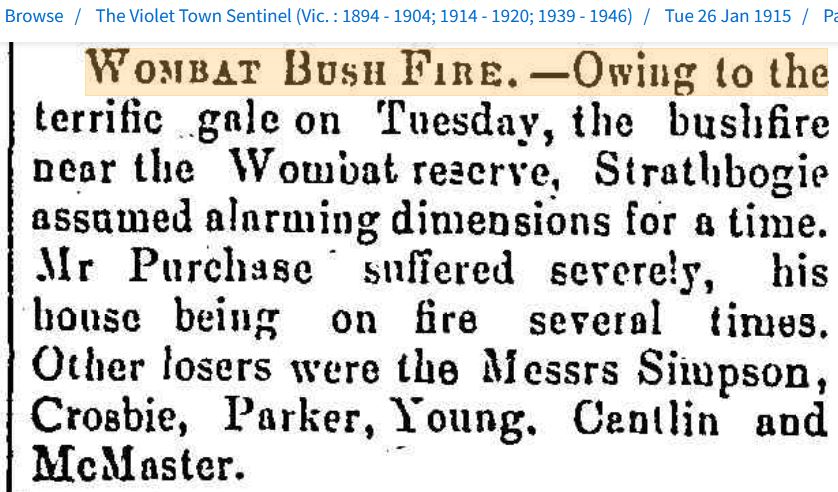
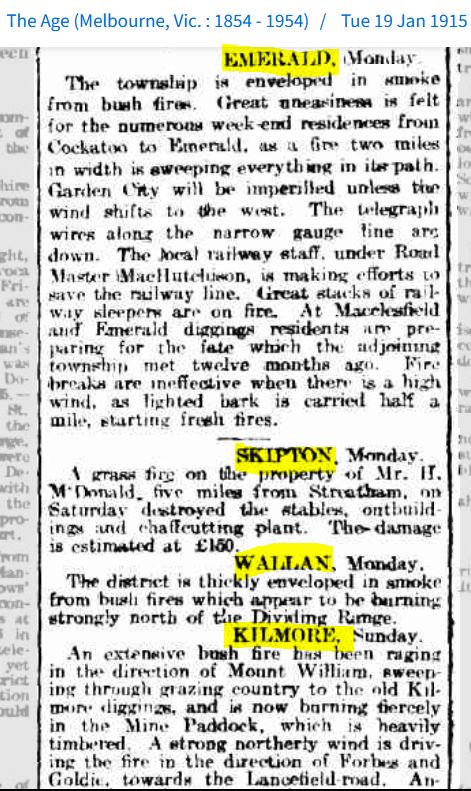
Tiled Gallery 5: Courtesy of Trove, National Library of Australia and the Australian Bureau of Meteorology
The letter Marion shares in Article No. 5 in (Tiled Gallery 4), above, is interesting. It was written just after the Food Controller in the United Kingdom had announced that a meat rationing scheme would apply to the whole of Great Britain because of the effects of the war. The scheme entailed using a meat ration card that was issued weekly with four coupons on it. Three could be used for butchers’ meat, and the fourth would allow the purchase of 5 oz of other meats, such as bacon, poultry, rabbits or preserved meat. https://trove.nla.gov.au/newspaper/article/1640518
Australia, too, had meat rationing in place at the time, but nowhere near the level that the British were experiencing. A fact that the writer of the letter is none too pleased about. https://www.historyskills.com/classroom/year-9/wwi-rationing/
Article No:9 (Tiled Gallery 4) is the one and only mention I could find relating to John’s sister Elizabeth Macvean, who, from what I have been able to work out, never married and lived with Marion, John and eventually Kathleen, their daughter, when she was born. This is why it refers to her as “…Miss Macvean Snr...” in the article, not to be confused with Kathleen, who was Miss Macvean Jr.
Unfortunately, there is no photo of Elizabeth at this stage, but we do have one of her gravestone.
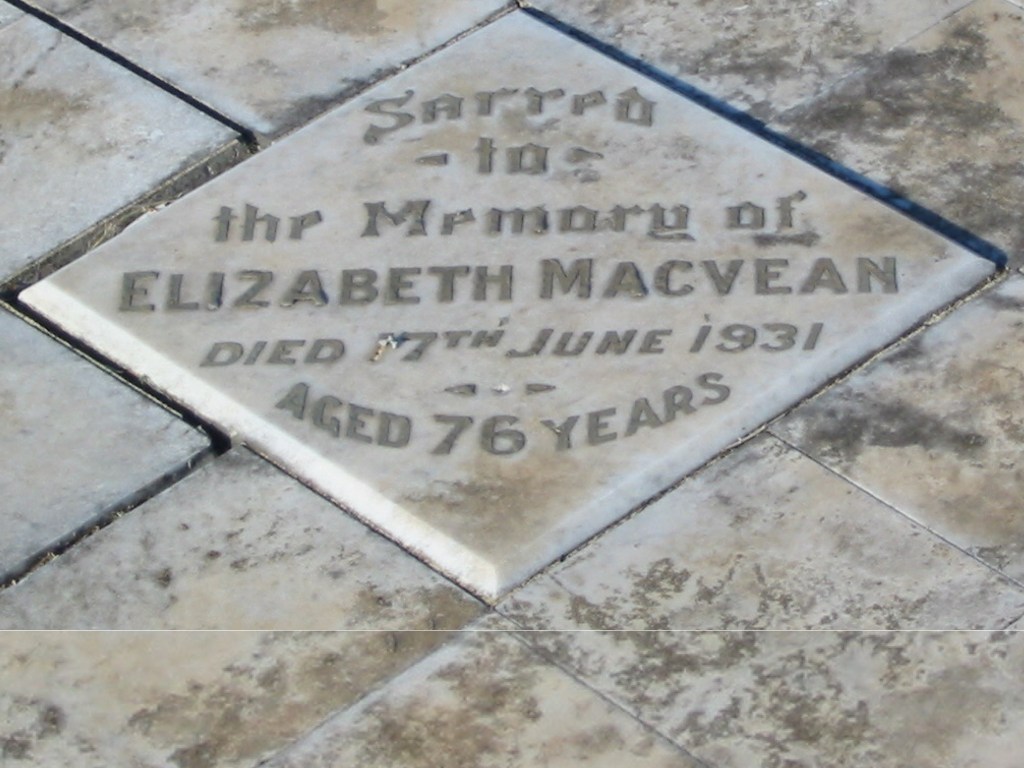
Figure 14: Courtesy of the Macvean Family Archives,
Generously shared by Paul Macvean (Cousin)
Finally, Miss Dolly Nicholson. Lots of mentions of her at different social events over the 20s and 30s in Trove, but not one mention of her playing tennis. There is no mention of her with the Toorak Comforts Fund, and I also couldn’t find a good match for her in any of the family trees on Ancestry.com.au.
I did, however, find this incredible description of, I think, our Miss Dolly Nicholson in this next article, concerning a golf tournament she attended at Sandringham.

Wow, what a misogynistic piece of prose that was. So, she wasn’t a noted beauty but rather a good sport and what a bonus, she hunts, drives, golfs and is a good tennis player. What an absolute cheek. I wonder what Dolly’s reaction was when she read this?
I also managed to find two photos that could be of Dolly. I have placed a yellow highlighter mark on her hat below.
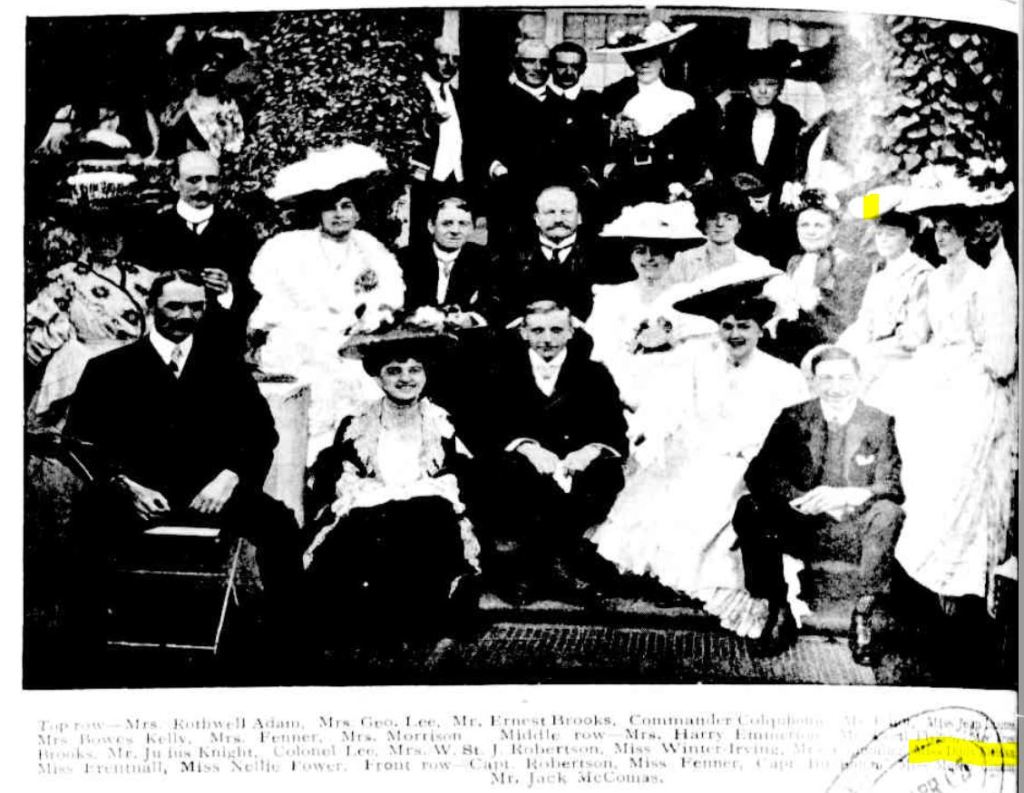
This Dolly Nicholson was attending Mrs Ernest Brooks’ Garden Party at “Camelot”, Alma Rd, St Kilda. They had marked out a turf court for tennis, but apparently it was quite a wintry day, and guests could “…scarcely be tempted out of doors.” https://trove.nla.gov.au/newspaper/article/145938003?searchTerm=mrs%20ernest%20brooks%20garden%20party%22
Here is a close-up of Dolly. She appears quite young, but again, it is a very bad copy of the photo.
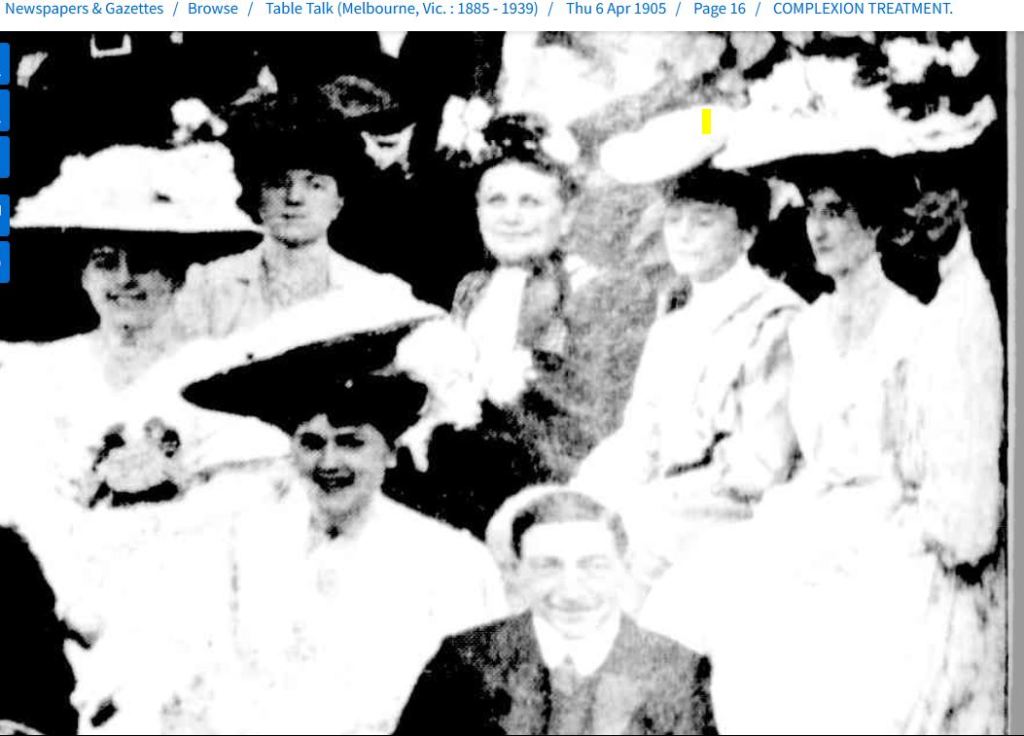
Again, I couldn’t help myself but there was also a photo of Mrs Ernest Brooke and I just couldn’t miss putting it in.

Figure 18: Courtesy of Trove, National Library of Australia
Another option that might be Dolly is this photo below, taken five years earlier. This Dolly is in Miss Bessie Gray’s bridal party. These ladies were not identified individually, so your guess is as good as… The accompanying article states they were Miss Andy Gray (Sister of the Bride), Miss Mabel Cochran (Cousin) and Miss Dolly Nicholson.
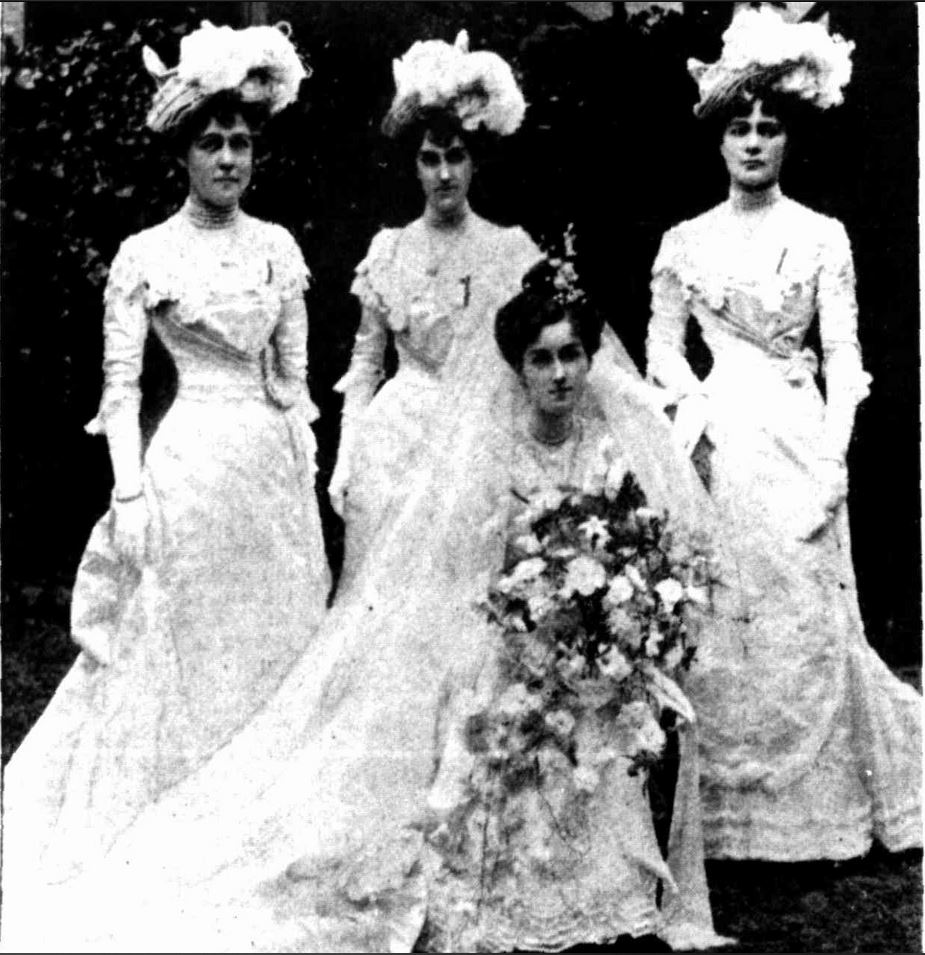
Figure 19: Courtesy of Trove, National Library of Australia
https://trove.nla.gov.au/newspaper/article/175381443?browse=ndp%3Abrowse%2Ftitle%2FP%2Ftitle%2F596%2F1900%2F05%2F31%2Fpage%2F20475235%2Farticle%2F175381443#
Now, back to Beauly Station, and (Figure 13), you will remember that it stated that Beauly is near Quirindi. I went searching to see how near.
I fired up the NSW Land Registry Maps site again, and my thinking was, I would start at Spring Ridge and work my way back to Quirindi. I was prepared for a long search, but look what came up on the first map I opened.

Figure 20: Courtesy of NSW Land Registry Services
https://hlrv.nswlrs.com.au/
What luck again, I found it. I know it doesn’t say Beauly, but there is Marion’s name clear as day, and the property is a stone’s throw from Spring Ridge itself. So I’m happy to call it, this is Beauly Station, and this is why Marion set up the Country Women’s Association meeting in the district, she lived there.
The station actually sat on the traditional lands of the Kamilaroi people. https://aiatsis.gov.au/explore/map-indigenous-australia
I just stumbled upon the reason why the property was called Beauly. It was in a letter that a cousin, some times removed from Marion, had written in 1951 and a descendant of his shared it on Ancestry.
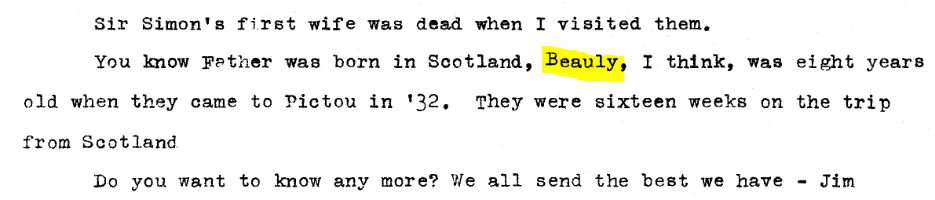
Figure 20a: Courtesy of Ancestry.com.au, kindly shared by John Fraser
That is 1832 that Jim is referring to in the letter, and sixteen weeks travel time, imagine that. Although steamships were in use by the 1830s, sailing ships still dominated long-distance trade routes. https://ecoclipper.org/News/he-left-the-engines-and-went-back-to-sea/#:~:text=However%2C%20in%20those%20days%2C%20sail%20was%20still,and%20mainly%2C%20highly%20subsidized%20state%20mail%20services.
John William Fraser’s (the author of the letter) father, also named John and Marion’s father, Simon, were cousins. I didn’t have any of Marion’s grandparents’ details saved to my tree in Ancestry, so I went searching other trees. Sure enough, her grandfather, William Thomas Fraser and his parents were all born in Beauly, Scotland. So I’m assuming Marion named the property in Spring Ridge after the birthplace of her grandfather and her great-grandparents.
Beauly is a village that sits about 19km to the west of Inverness in the Scottish Highlands. https://en.wikipedia.org/wiki/Beauly
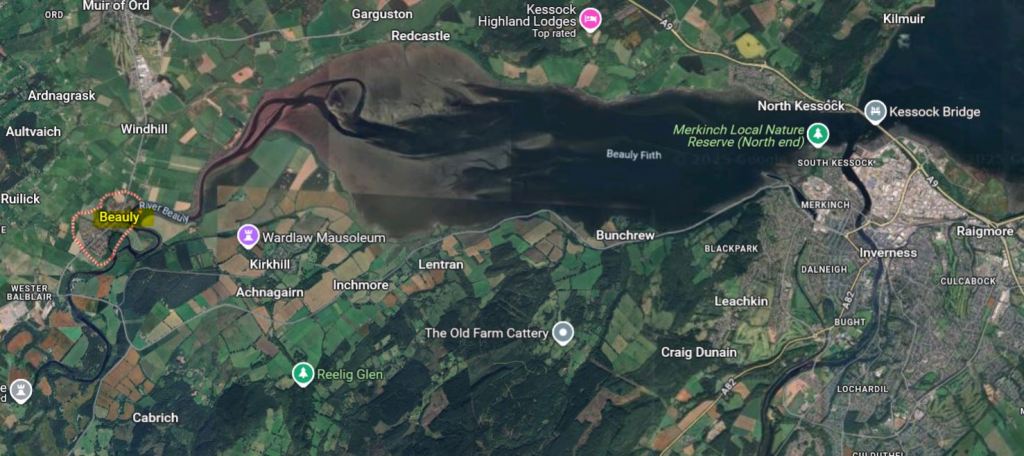
Some historic theories believe that it was first named by French monks who founded the Beauly Priory in 1230. https://www.visitinvernesslochness.com/beauly
Check out this amazing photo of the ruins of the priory from the late 1800s.
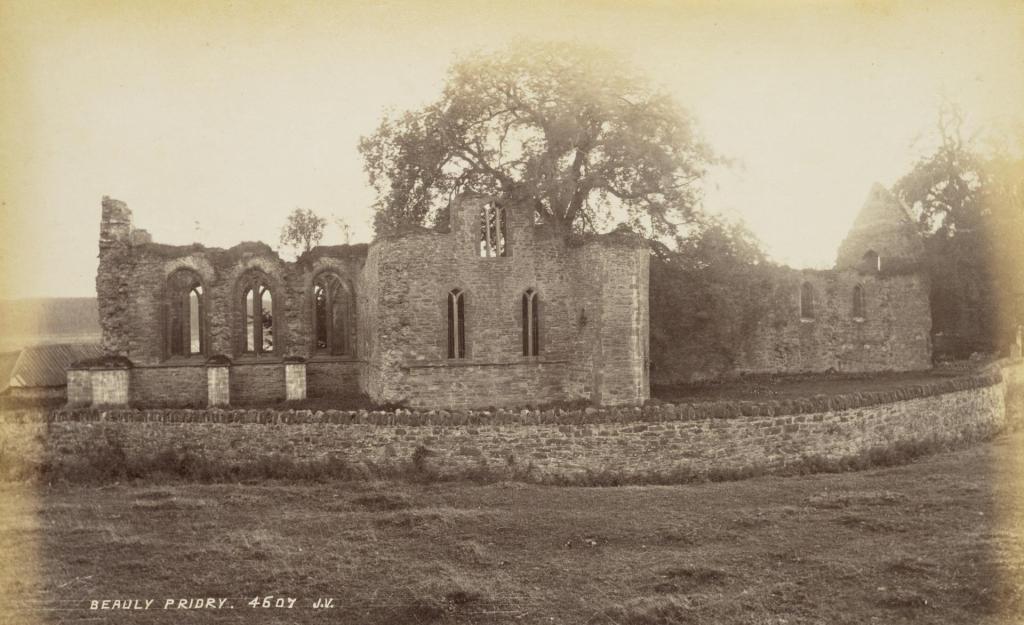
Figure 20c: Courtesy of National Galleries Scotland
https://www.nationalgalleries.org/art-and-artists/239646
Most of the ruins still stand today.
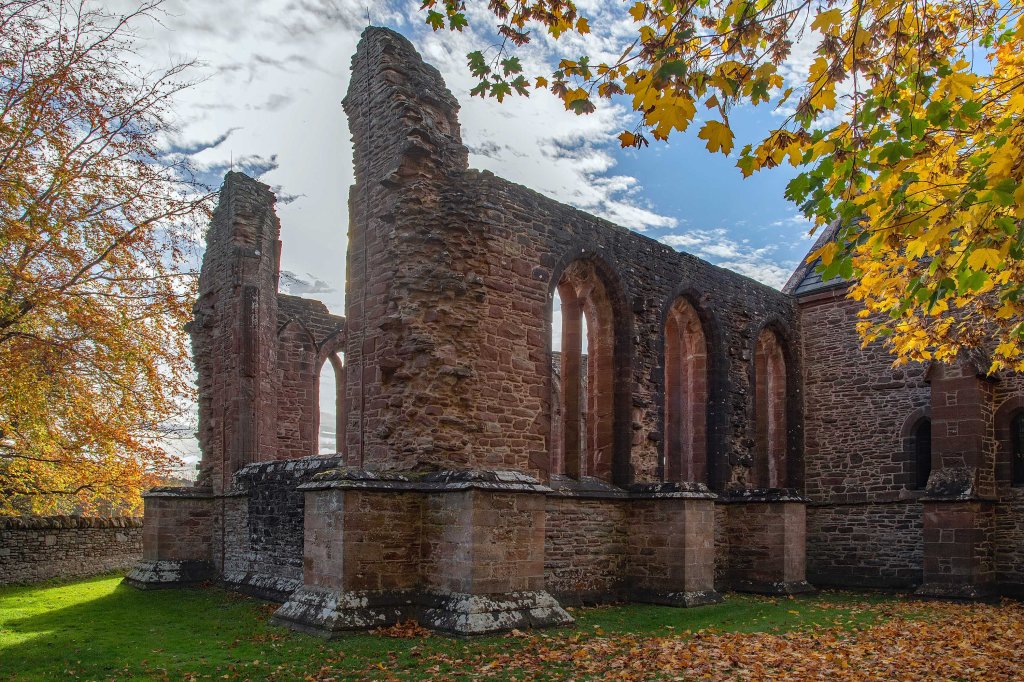
Figure 20d: Courtesy of Flickr user, Andy Marks
https://www.flickr.com/photos/andymarks/53036659444/in/photostream/
So we know from Article No:1 in (Tiled Gallery 4) above that Marion and John were on Beauly station as early as March 1915. I went looking to see if I could find any sale notices, especially now that we know, from the Land Registry Map, that the previous owner was Mr Charles Binnie.
No notice of a sale transaction between them, but I did find this mention of Charles and what his intentions were for his land at the beginning of 1914.

How fantastic is that? Another piece of the puzzle just falling into place. If you look at the Land Registry Map in (Figure: 20), there is the railway line, which Spring Ridge is part of, and look at how many of the blocks around Beauly are still owned by Charles at that time. I think this was all 4D land, and these are the blocks he subdivided up to this date in 1917.
There is some really interesting history here as to why Charles was subdividing his land.
The government had made some major changes to the Federal Land Tax at the time, and it was leading to the break-up of the huge land holdings of the old-time Squatters.

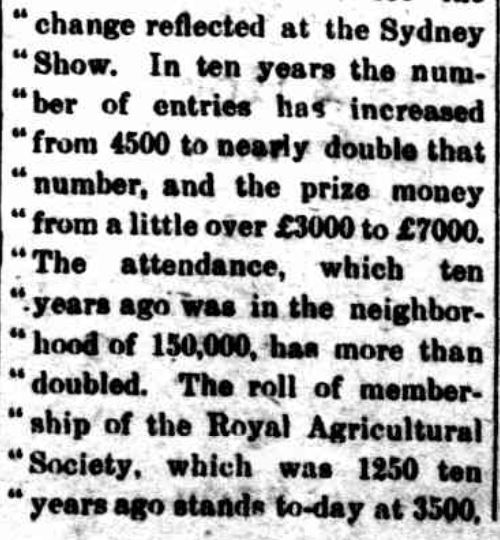
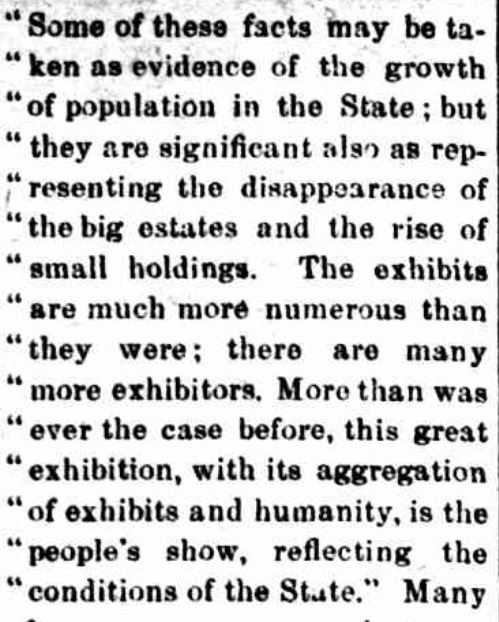
Charles was even interviewed himself earlier in the year by the Sydney Morning Herald, and they printed his thoughts on the issue. It sounds like he was trying to make the best of a difficult situation, which he thought he was in.
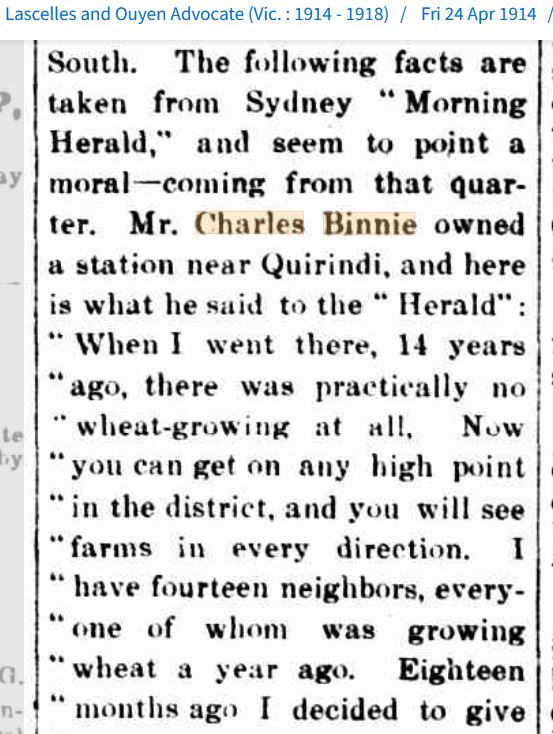
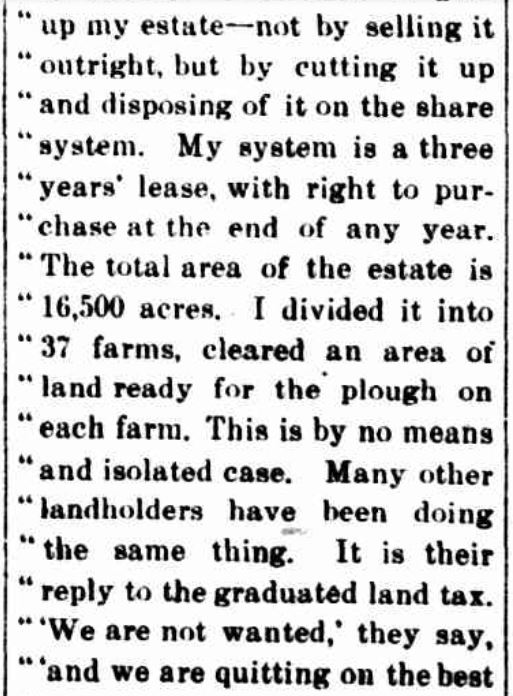

Article 3: Courtesy of Trove, National Library of Australia
I know, I’m a nerd when it comes to stuff like this, but I love finding this supporting information from the time that shows why someone I’m researching might be making the decisions they are making.
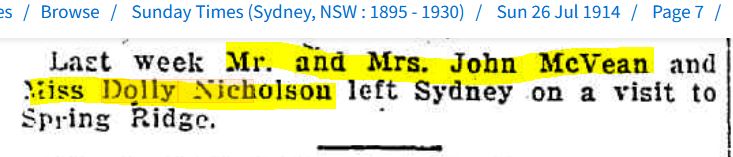
This next article was a real surprise. I found it once I was aware that Charles Binnie was subdividing his land in 1914. I wonder if this was Marion and John coming out to see the property and meet with Charles? And check out who was accompanying them on the trip.
I did my usual thing and checked out Google Maps to see if I could match up Beauly from the Land Registry map and I’m pretty sure I did and it even looks like the homestead might still be going.

County of Pottinger, Parish of Springfield, 2025
Figure 24: Courtesy of Google Maps
How incredible is that? It looks like it matches perfectly with the 1917 map in (Figure:20). There is the old railway station on the left with the township of Spring Ridge sitting in front of it. You can also clearly see the railway line corridor running from the left to the apex of the photo and then across to the right, just as in the 1917 map.
Then, if you zoom in to the centre of the photo, here is the property that I think might have been Marion, John, Kathleen and Elizabeth’s home. It sits perfectly within the Beauly Station boundary (Figure 20).
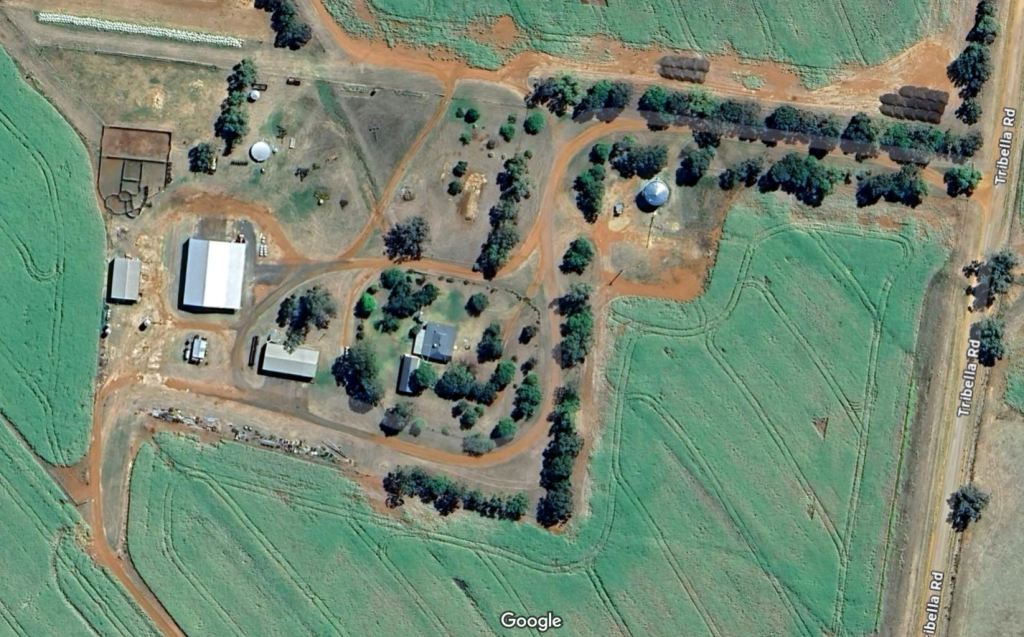
Figure 25: Courtesy of Google Maps
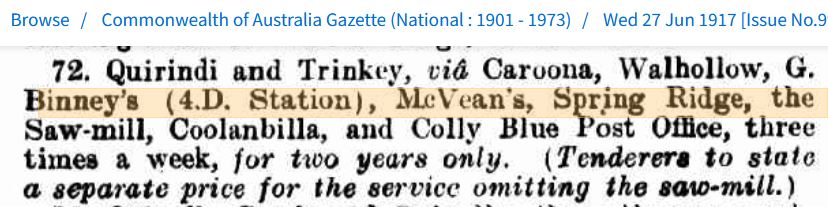
In my search on Trove, I also came across this random mention below, calling for tenders for a mail delivery service in the area, which shows Marion and John were firmly in situ on the property by mid-1917.
I plotted the run on Google Maps, Quirindi is the red pin on the right, working its way along to Trinkey on the left. Beauly sits right under the roof of the car.
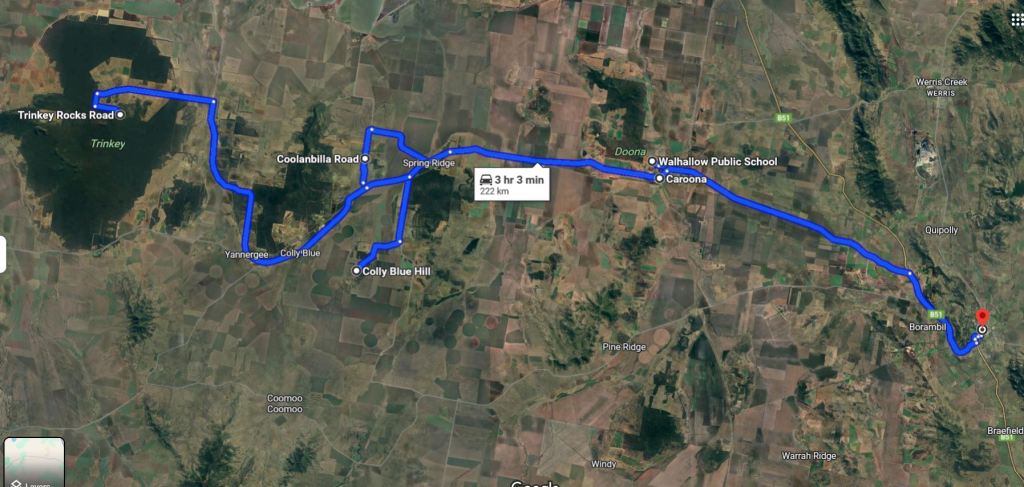
I imagine that delivery would have been with a horse and dray or on horseback and taken all day to complete.
Naomi Parry shared in her Thematic report on the Liverpool Plains in 2019 that it was only the wealthier residents of the area who had cars in the 1910s, and that it wasn’t until the 1920s that motorised truck transport started to appear. https://naomiparry.net/wp-content/uploads/2021/03/Parry_Thematic_20Dec2019_final.pdf
I then found a fantastic photo in the State Library of NSW archive showing a car in Quirindi, ca. 1915. It shows Mr T J Finlay, Miss Rene McMaster and Miss Rita Buckland in a De Dion Bouton, driving off to the polo.

Figure 28: Courtesy of State Library of New South Wales
https://collection.sl.nsw.gov.au/record/YoleomW9/VgeEB0lzVRPZ
And I just found proof that Mr T.J. Finlay knew John and Marion. Here are a couple of mentions of Mr Finlay and John at local Graziers’ Association of NSW meetings.


Now, I know I say this often, but these next two finds are very special. They are part of the trove of information I found, and they only revealed themselves because of a trick I use when searching in Trove.
The trick is: realising that the optical character recognition (OCR) software that the Library uses sometimes misinterprets the scanned type print of the newspaper. So I now do several searches in the same time period with slight variations in my search terms. For example, if I’m searching, say in 1930, I will conduct separate searches for Macvean, McVean, M’Vean, and M’ean.
It is incredible the results that will come up using this trick and thinking outside the box. I also ensure that I go in and edit any incorrect information, so the next time someone searches, it will appear as intended. Geez, I’m awesome, hey? No, it’s just that I know this is how I get new results appearing in my searches, because of someone else’s edits, so I’m just trying to pay it forward.
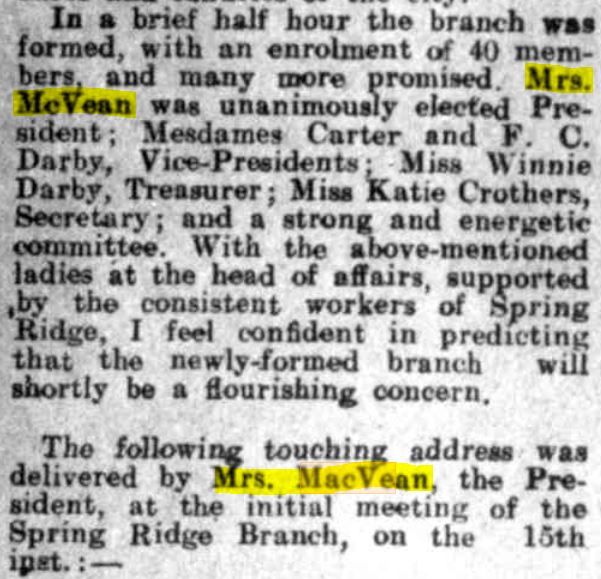
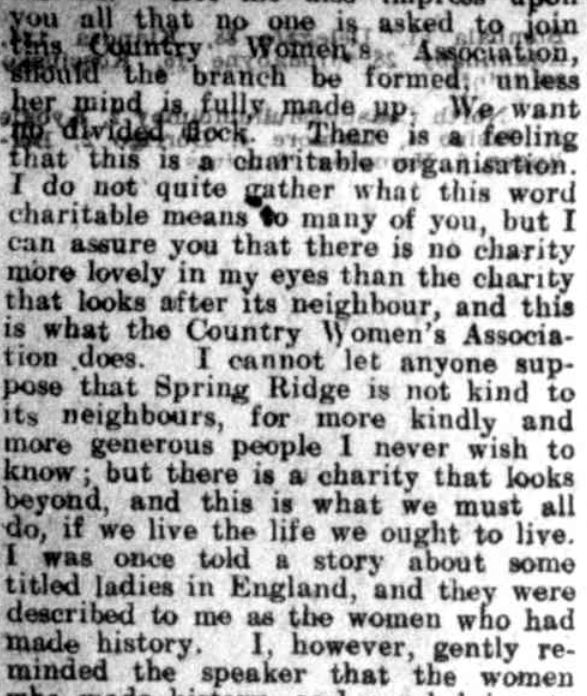
The two special finds: the first is a phenomenal article about the Spring Ridge C.W.A. forming, and contained within it is Marion’s speech she made at that first meeting, which, incredibly, allows us to actually hear her voice.


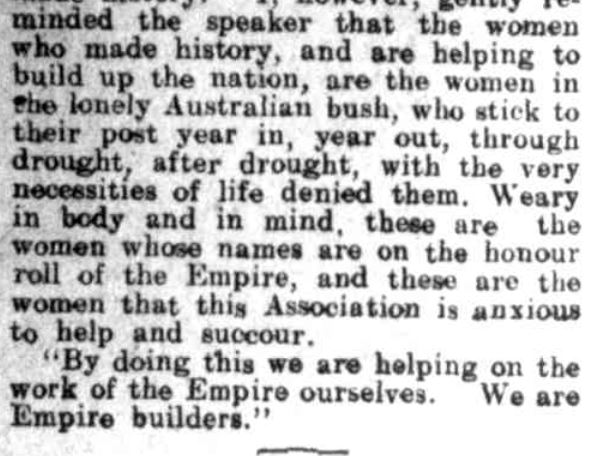
Article 4: Courtesy of Trove, National Library of Australia
Wow, what a fantastic speech and how lucky for us that the editor thought to have it included in the article, so that we are able to hear Marion’s words, 101 years and three months later. She gave that speech on the 15th of March 1924.
That final quote of Marion’s really piqued my interest. It is so pointed, I wondered why she was being so emphatic about the fact that their efforts were akin to building the Empire. I know they were only five years out from the end of the war, and I’m sure that was part of it, but I went looking for more.
It didn’t take long to get a sense of what Marion might be referring to in her address.
At the time of printing this article, the 1st of April 1924, the Federal Parliament had just reassembled after a six-month recess. One of the first things on the government’s agenda was for the Prime Minister at the time, Mr Stanley Melbourne Bruce, to give an address to Parliament about the proceedings of the Imperial Conference held in London in October 1923, which he attended. https://trove.nla.gov.au/newspaper/article/1913587?searchTerm=%22parliament%20reassembles%22

https://nla.gov.au/nla.cat-vn2329617
Here is a photo of some of the delegates at the conference. I’m pretty sure that is Prime Minister Stanley Bruce, 2nd from the right, front row.

Figure 28d: Courtesy of Library and Archives Canada
http://central.bac-lac.gc.ca/.redirect?app=fonandcol&id=3199796&lang=eng&ecopy=a138871
The principal activity of the conference was concerned with the rights of the seven Dominions of the Empire regarding determining their own foreign policy. It was at this conference that it was stated for the first time that, “…Great Britain and the dominions were autonomous communities within the British Empire…” https://www.britannica.com/topic/dominion-British-Commonwealth
A quick trawl through Trove of early 1924 shows just how much this was big news back in Australia and was seen as a new era for the British Empire. In addition to this autonomy in foreign policy, several other issues were raised and discussed at the conference.
This small excerpt from a piece published in March 1924 gives a good example of what some of the commentators were saying.
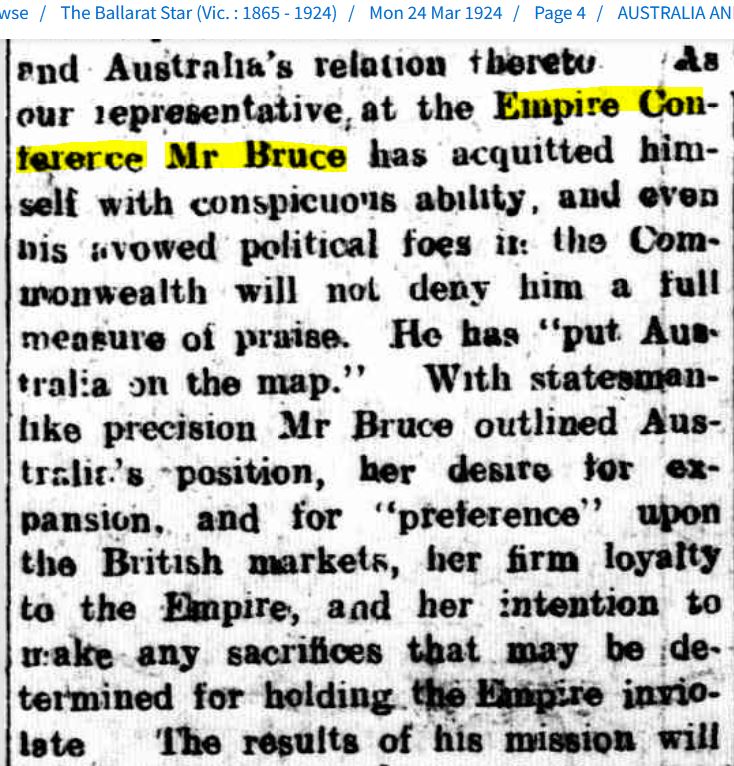

Article 5: Courtesy of Trove, National Library of Australia
These are lofty ideals being discussed here, and I’m sure a politically aware operator, such as Marion was, would have seen things through this prism of patriotism and allegiance to the crown. In fact, the article goes on further to suggest that every thoughtful Australian could see the ties that bound the Commonwealth to the “…Motherland and the Dominions.”
Then, continuing on with this excerpt, we hit one of those jarring moments for me, when we come up against those racist and misogynistic ideals that were so prevalent at the time.

It’s so hard to read blatant racism like this, but I know it is such a huge part of our story and continues to be; this is why I’m sharing this article here.
The White Australia Policy (Immigration Restriction Act), which was one of our newly federated nation’s first pieces of legislation, started in December 1901 and was only repealed in 1973. https://www.nma.gov.au/defining-moments/resources/white-australia-policy
I mean, I was four years of age at the time, which is in my lifetime!
It makes me wonder that with Marion or any other members of my family, from the time, that they could very possibly have held these same views. As an amateur historian, I find it very difficult to reconcile this fact with the picture I am building up of them from my research, especially when I develop a real soft spot for them. But that is the hard reality of delving into your family history.
Now to the second special find. (Yeah, I know it was a while back before this wonderful rabbit hole above.) A second photo of Marion! Yes, and one of John as well. I couldn’t believe it when I stumbled onto it.
It is a photograph of them and their bridal party together from 1893. It is crappy quality but just wonderful to see.
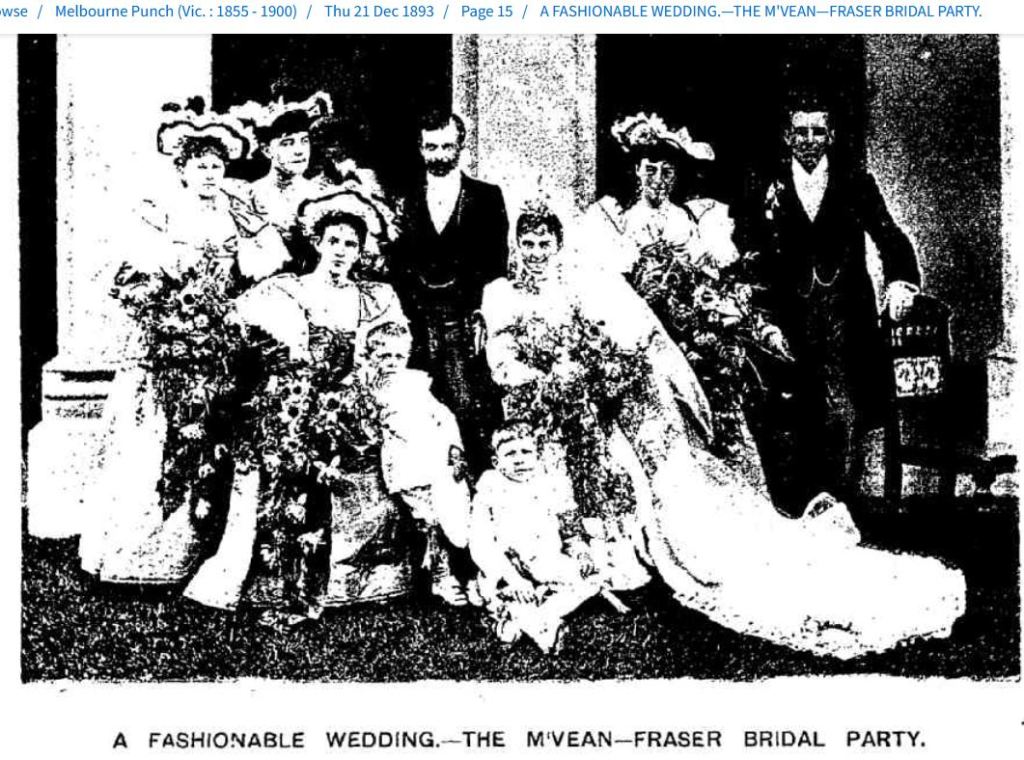
What a find and a great example of what I mentioned earlier about broadening your search terms. See the spelling of M’Vean, I had never seen this photo before, I suspect because I had never thought to search for my name, Macvean, without the “ac” included, until recently.
This photo appeared by itself; there was no accompanying article about the wedding but I did find this one paragraph that appeared in a column above it.

A series of pictures and outdoors! Oh, to be able to find them, how amazing would that be? I wonder if they have survived the last 132 years and are just sitting in someone’s cupboard somewhere, or perhaps they ended up in an antique store to be sold off in complete anonymity, which seems to happen regularly. So sad to think of them thrown out, destroyed or not with family.
So here is Marion on her wedding day with her husband, my first cousin 4x removed, John Macvean.

Figures 31 & 32: Courtesy of Trove, National Library of Australia
There were indeed multiple articles printed about their wedding, and here is a great example below.
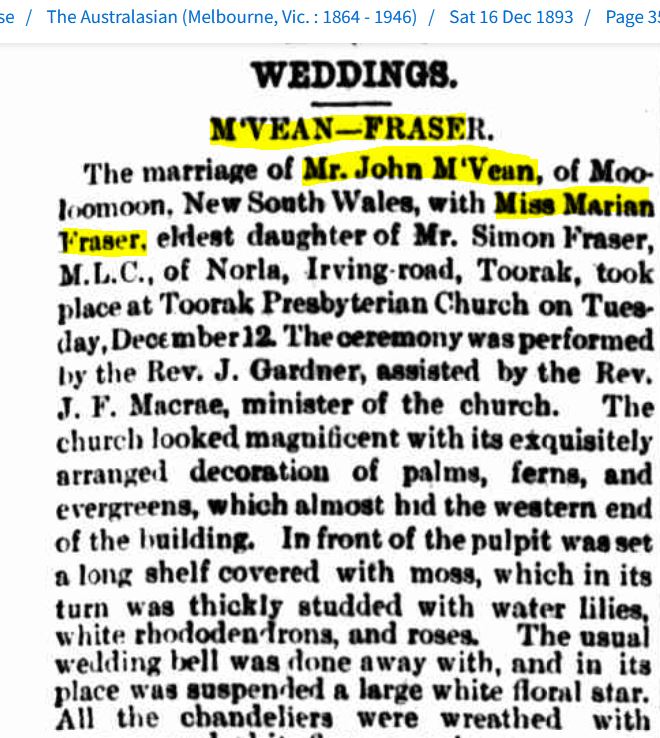


So we now know the names of the other members of the bridal party. John’s best man was Mr Reginald Austin. The two pageboys were Marion’s brother’s, Simon and Douglas. Marion’s bridesmaids were, her sister, Kayte Fraser, Miss Lorraine Armstrong (John’s cousin), Miss Brookes and Miss McKeller.
Here are the two Ministers who married them: the Rev. J. Gardner, who was 85 years old at the time, and Rev. J.F. Macrae, who was 43 years old.
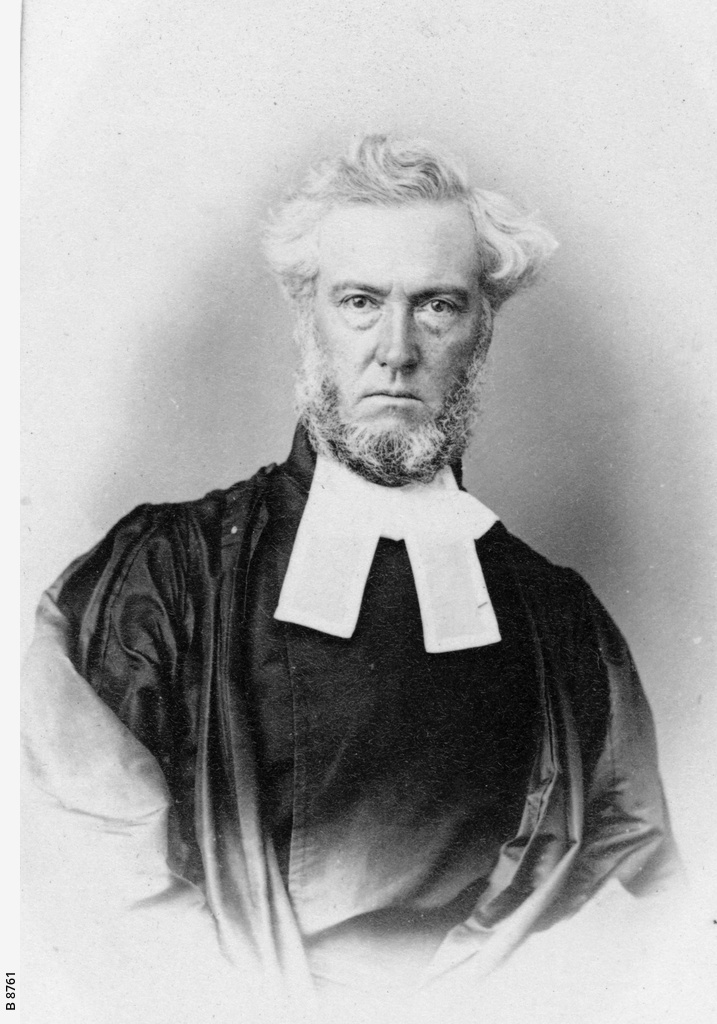
Figure 33: Courtesy of the State Library of South Australia
https://collections.slsa.sa.gov.au/resource/B+8761
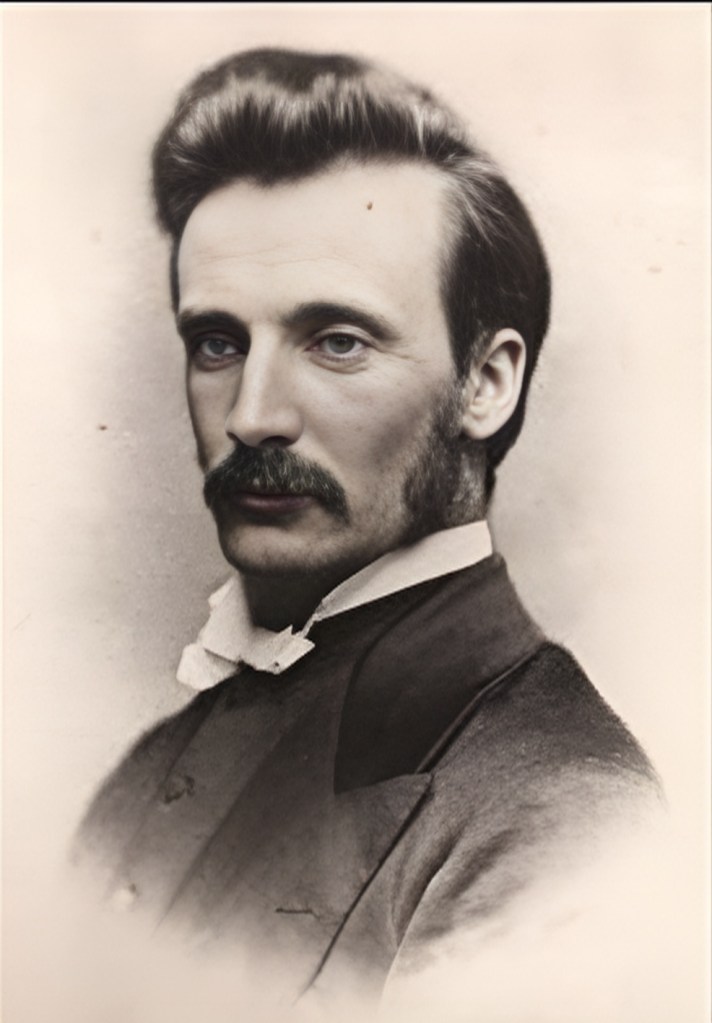
Figure 34: Courtesy of Ancestry.com.au,
Kindly shared by user IanMacrae4
The Presbyterian Church, Toorak had its foundation stone laid in May 1875 and opened on the 20th of January 1876.
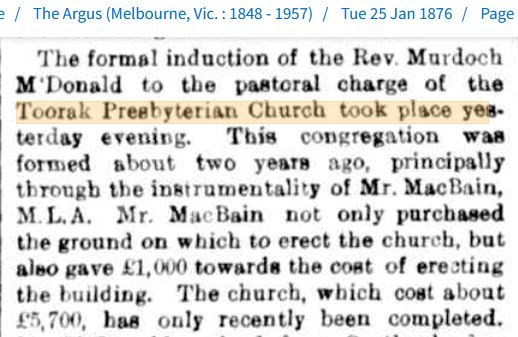
And here is a photo of the church from the year that Marion and John married, 1893.

Figure 35a: Courtesy of Museums Victoria
https://collections.museumsvictoria.com.au/items/795009
The church is still standing today.

Figure 36: Courtesy of Google Maps
Another wedding article appeared in the search results, this one from 1903, ten years later, titled “The McVean Fraser Wedding.” I was confused, what, another tie between the two families?


Article 7: Courtesy of Trove, National Library of Australia
The fact that neither the bride nor the groom was named added to the confusion. Obviously, it had to be Marion’s sister, Katye, that the article was referring to. I went searching, and it shows how you have to be so careful even with the information that is printed.
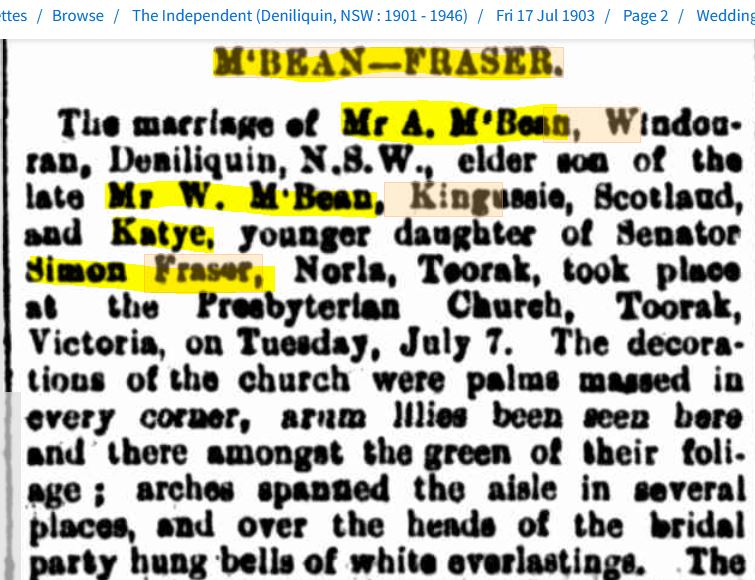
So not McVean but McBean, what are the chances both sister’s falling for a bloke with a similar last name? Alexander McBean is not directly related to our Macvean line, apart from through marriage as far as I can tell.
The Independent’s article confirms that Katye and Alexander’s wedding took place in the same church, the Presbyterian Church Toorak and that Rev. McCrae performed their service as well.
Katye also had a photo printed, but just of her bridal party, unfortunately, no Alexander with his best man, Mr H. Box.
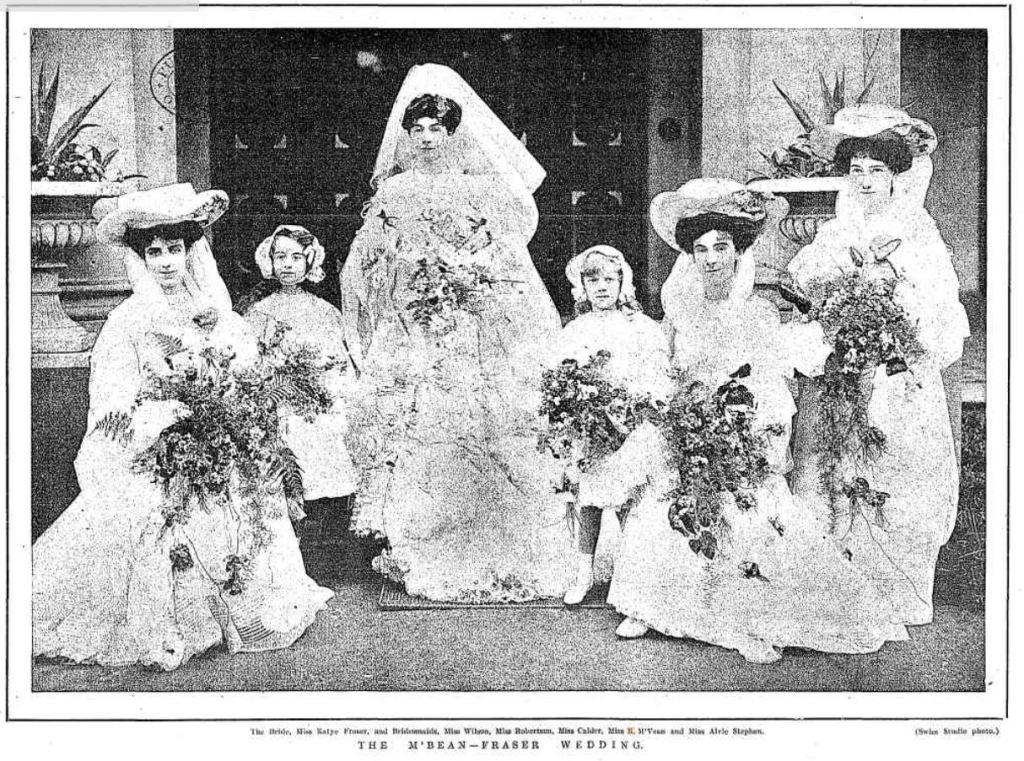
Here are the details from the article about who the two youngest bridesmaids were who appeared with Katye.

That is Marion and John’s only daughter, Kathleen. She was eight years old at the time, and if you take her positioning from the name placement under the photo, she is the young girl on the left of the photo, standing on Katye’s right-hand side.
I wanted to be a bit more precise than that, so I went looking but couldn’t find any other photo of Kathleen. I did, however, find one of Alvie Stevenson on her wedding day in April 1927 when she married Captain James Drake.

Figure 40: Courtesy of Trove, National Library of Australia
Could that be the mature face of the young girl standing on Katye’s left-hand side in (Figure 38) above? I’m calling it and saying yes, that is Alvie, which means Kathleen is on Katye’s right.
There was another thing that both weddings had in common, “Norla”, the Fraser family home on Irving Road in Toorak. Both couples had their receptions there. It actually was a 5-minute walk from the front door of the church straight up Irving Road to Norla, as the church sits at the end of Irving Road on Toorak Road.
This amazing photo below shows the view that Marion and the family would have known well, turning right out of their driveway. Norla sits on the next block back on the right-hand side of this photo.
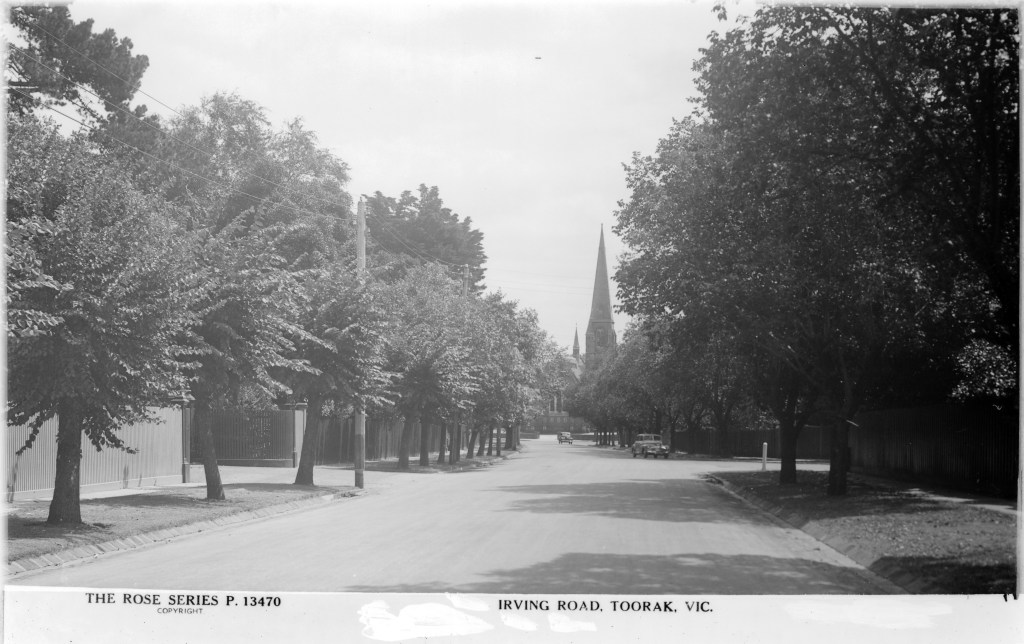
Figure 40a: Courtesy of the State Library Victoria
http://handle.slv.vic.gov.au/10381/59170
I have to say I think it was a great choice to have the receptions at Norla, take a look at this extraordinary photo I found again on the State Library of Victoria’s website of Norla. This was taken just three years before Marion and John’s wedding.

Figure 41: Courtesy of State Library Victoria
http://handle.slv.vic.gov.au/10381/149381
This really is extraordinary, especially with the information included on it in pencil. This photo was taken by Charlie Hammond, who was a budding photographer and artist at the time. He was apprenticed to Mr S. W. Mouncey, Decorative Artist, and as you can read, he got to actually work on Norla.
The photo is part of an amazing Sketchbook of Charlie’s, that documents his life in England, his journey out to Australia and his life with his brother Bert in Melbourne at the turn of the 19th to 20th Century. It is fascinating, and if you are interested, follow the link below his photo of Norla, above, to check it out.
And talking about amazing, Trove had some amazing finds regarding Norla. Some interior shots of the home. I know! These are amazing as they were taken back in 1903 for a series of interviews published in “Punch”, titled “Victoria’s Representative Men at Home”.
The first photo is of Marion’s father, Sir Simon Fraser, in his Library being interviewed by Mr Lauderdale.
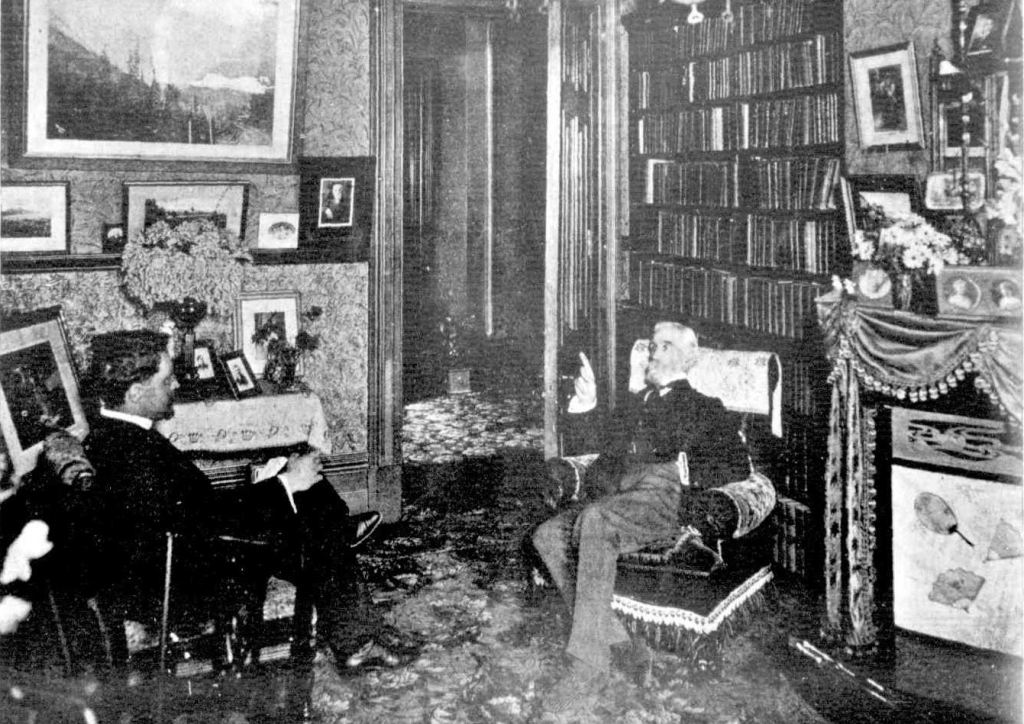
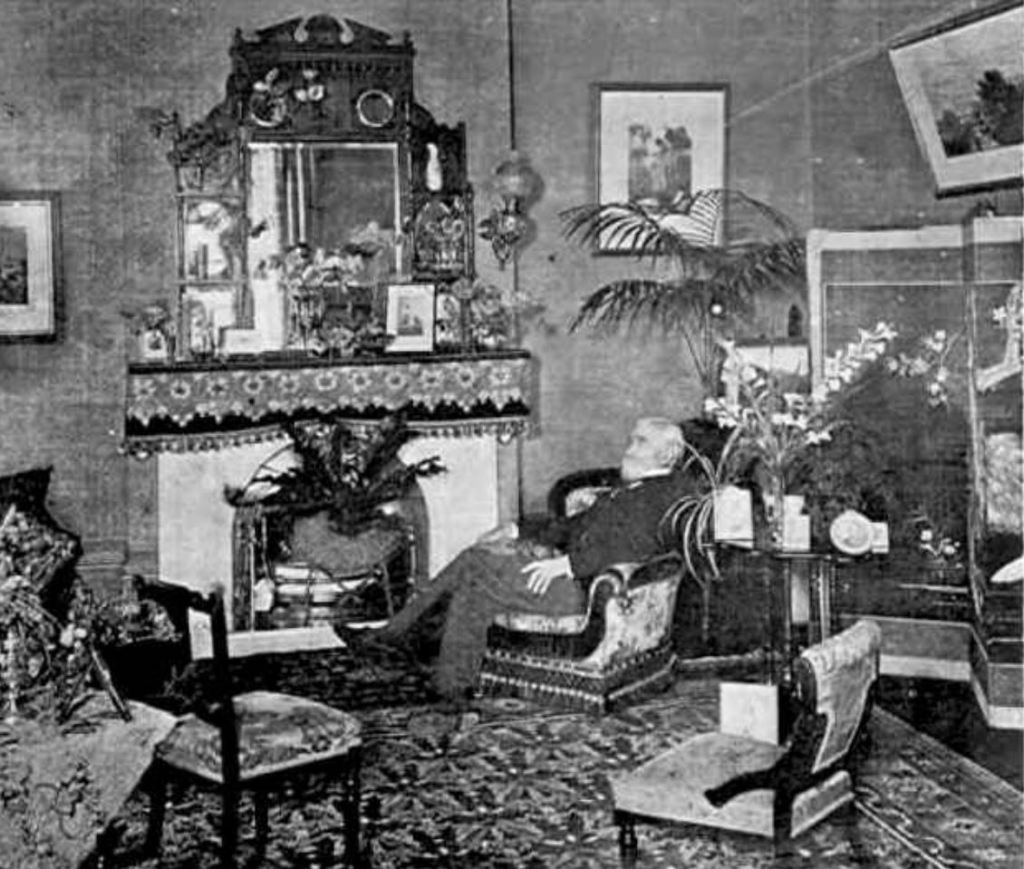
The next one is of Sir Simon relaxing in the sitting room.
The next one is of the Norla dining room.

And then the final one is of Sir Simon, his dogs and Mr Lauderdale at the front entrance of Norla.

What an absolute treat to see inside the home where Marion was living before she and John married. They both would have known these rooms so well.
Although these are really exciting to see, I must also share a genuine sense of loss. All those family photos in the library and sitting room. Oh, to know what became of them, what treasures they would be to find.
Having found out about Norla, my next thought was, has it survived, and is it still standing? I didn’t have far to go to find the answer, it was the next article in the Trove results.


Article 8: Courtesy of Trove, National Library of Australia
Damn!, what a loss! and as I was soon about to learn, not unusual. I have to admit, all that I knew of Toorak before starting this post was that it was a very wealthy suburb of Melbourne, and that was it.
Since learning of Marion and John’s connection to the area, I have gone down a very deep rabbit hole of information on Toorak and its history and what a history it has.
There is too much great information to share here, so I’m going to save it for another post. But what I will share is that the demolition ball of the early 20th century tore through a huge hole in that history. So many stories of old Toorak mansions like Norla that were demolished for the value of the land they were sitting on.
The other thing this information revealed was exactly how privileged a life Marion had been born into. Toorak society, when Marion and John were holding their reception at Norla, was at the height of its wealth and influence, levels not seen anywhere else in Australia at the time. This was the prestigious address that the nouveaux rich wanted. http://images.heritage.vic.gov.au/attachment/73453
Their neighbours ranged from members of the colonial government, solicitors, industrialists, barristers, and very wealthy graziers. They even had Dame Nellie Melba as a neighbour for six months at the end of 1902 when she rented the mansion two doors down from Norla, named “Myoora”.
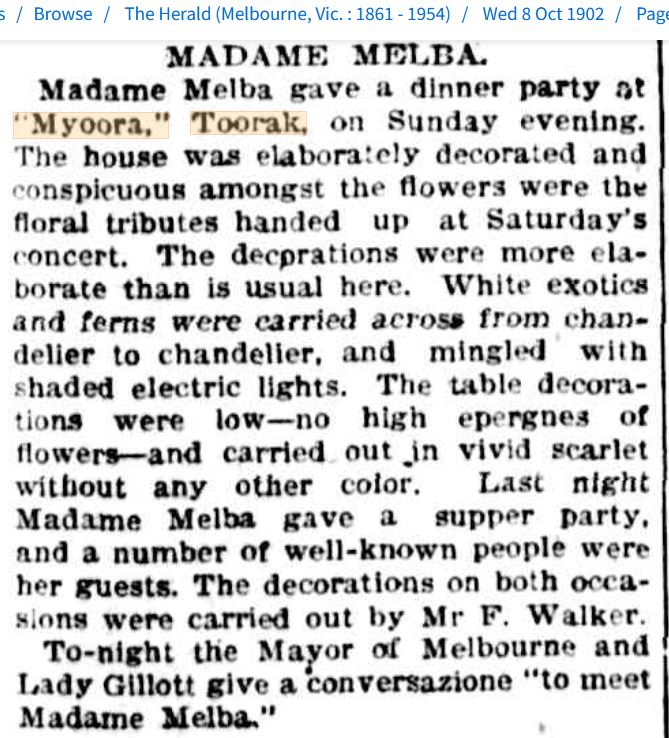
I checked out the Melbourne and Metropolitan Board of Works Maps on the State Library Victoria site, and I managed to find Irving Road on a map from 1901, and it showed Myoora. I have marked it with the trusty yellow highlighter.

Figure 47: Courtesy of the State Library Victoria
http://handle.slv.vic.gov.au/10381/122070
Interestingly, this section of the map shows the exact view shown in (Figure 40a). The photographer was most likely standing in front of the Lodge building on the left of the map, looking up at Toorak Road.
I also managed to find a photograph of Myoora printed in Trove.
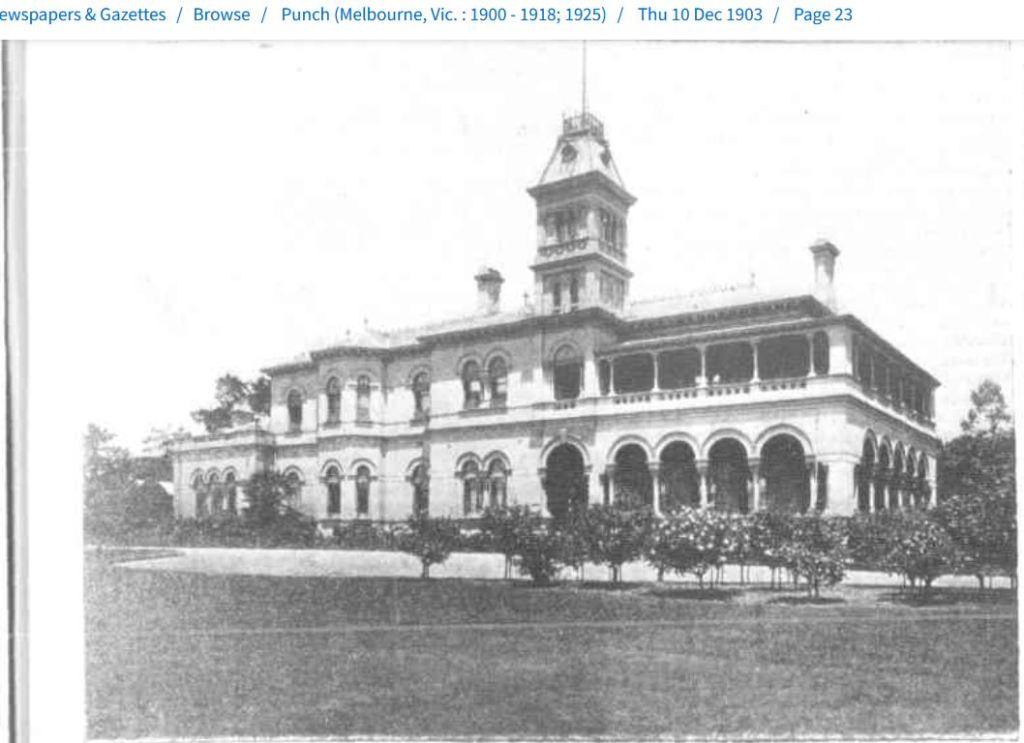
Figure 48: Courtesy of Trove, National Library of Australia
I next found Norla on the Board of Works maps, as shown below.

Figure 49: Courtesy of the State Library Victoria.
http://handle.slv.vic.gov.au/10381/122079
Here it is in close up.

Figure 50: Courtesy of the State Library Victoria.
http://handle.slv.vic.gov.au/10381/122079
And this next map shows just where the two estates sat in relation to each other.

Figure 51: Courtesy of the State Library Victoria
The estate between the two was called “Ottawa”, which is the mansion pictured on the very right of (Figure 49) above. Here it is in close-up.

Figure 52: Courtesy of the State Library Victoria
Ottawa held a particular distinction in the early 1880s.

The Reserve Bank of Australia’s Pre-Decimal inflation calculator only calculates from 1901, but even then, twenty years later than the sale, the purchase price equates to $5,254,512.49 in today’s money. https://www.rba.gov.au/calculator/annualPreDecimal.html
This next article shows that Marion’s family were certainly involved in their neighbours’ lives.

Here is a photo of the HMS Commonwealth that the drawing room meeting was about.

https://www.naval-history.net/PhotoWW1-01bbCommonwealth3CHTrevorPhillips.JPG
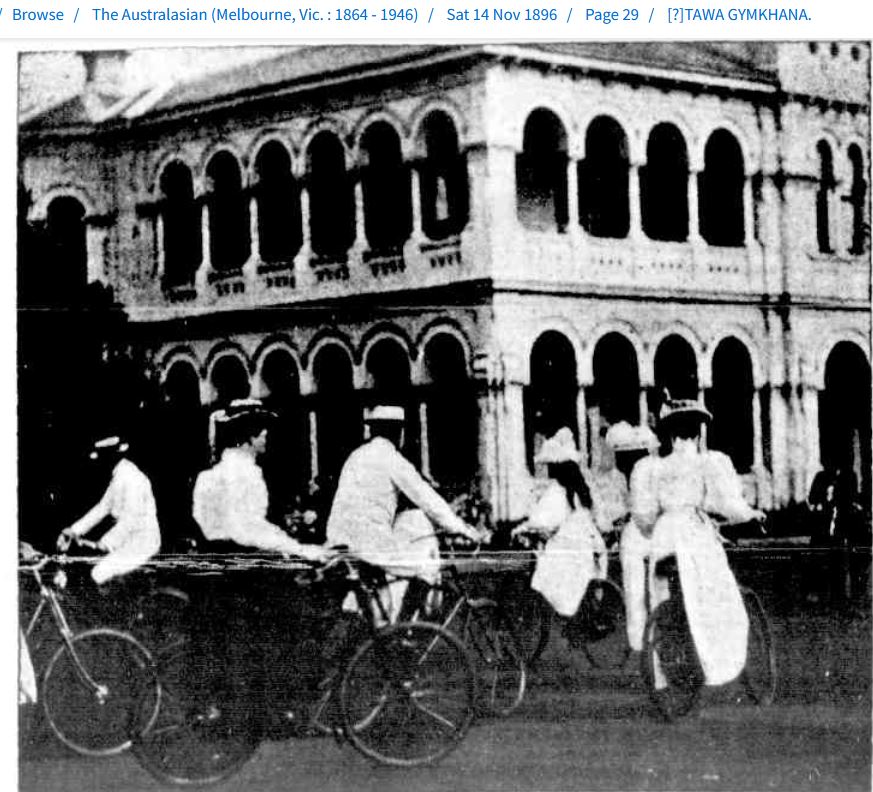
Unfortunately, there is no photograph showing Ottawa in its entirety that I can find, but I did manage to find two background views of it on Trove. The first is from 1896 and reports on Victoria’s first-ever Bicycle Gymkhana.
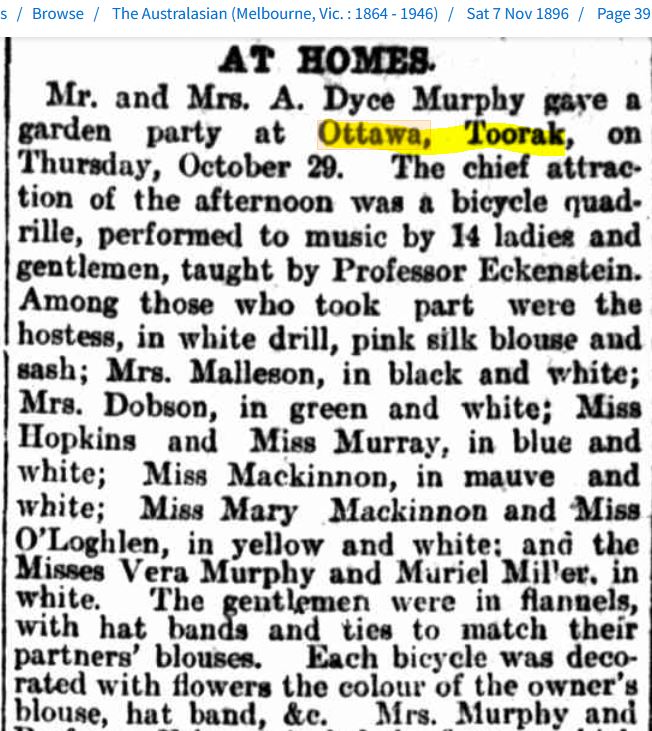
And here are our views of Ottawa and the bicycle quadrilles.

Then, the gymkhana was repeated again by the new owner, Mrs Campbell, in 1905 and look who was helping out again.

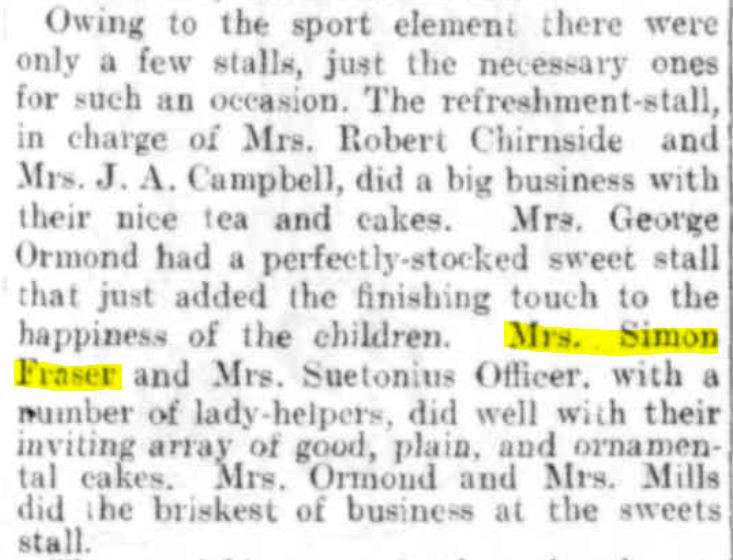

Article 9: Courtesy of Trove, National Library of Australia
And here is Lady Fraser herself, Marion’s stepmother, Anna Bertha Fraser née Collins.
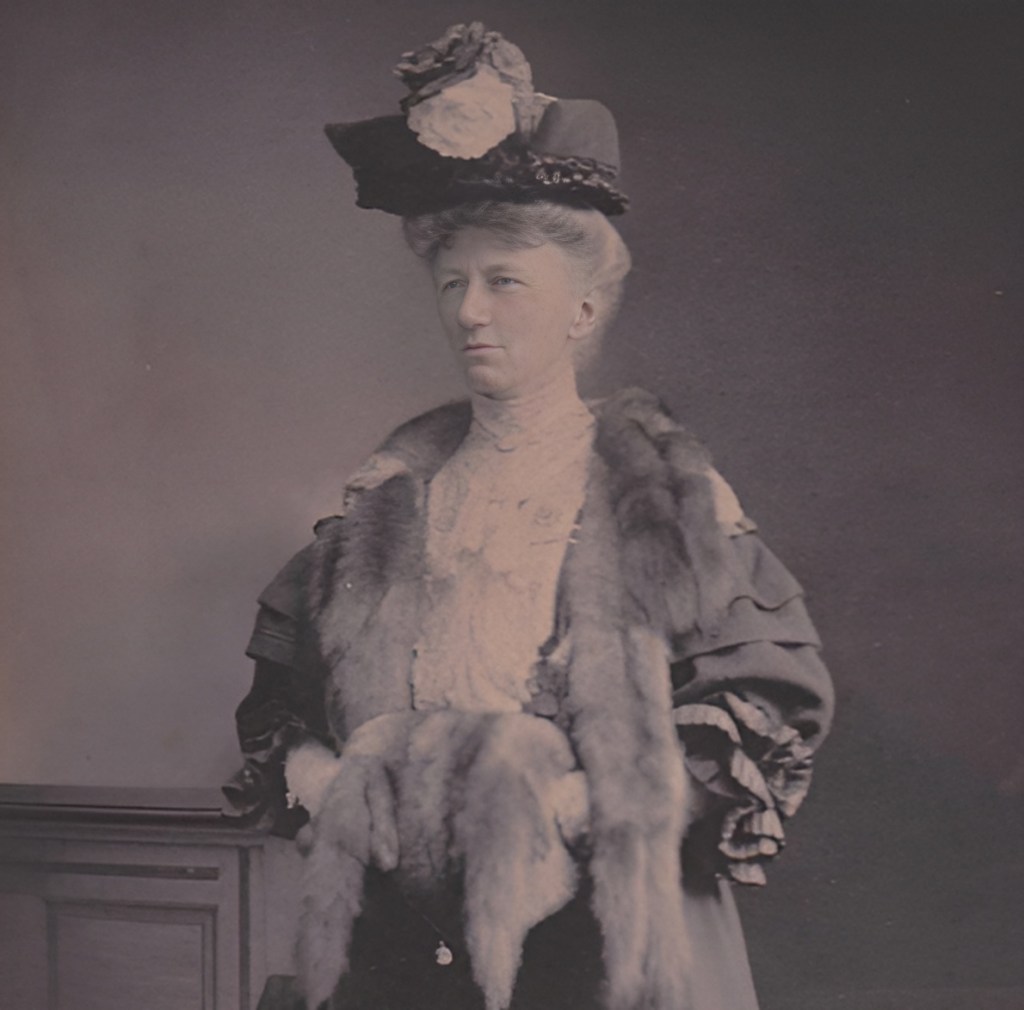
Figure 56: Courtesy of Ancestry.com.au, generously shared by Cheryl Fraser
What a stunner of a photo, we are so lucky that Cheryl was so generous and shared it on her tree. This is what I’m hoping will turn up for Marion and John: a clear photo like this. Fingers crossed.
Now, if we just turn our attention back to the demolition article in (Article 8), it states that Norla was built by Sir Simon’s father, William Thomas Fraser, Marion’s grandfather, but I can find no records to support this statement.
The article that accompanied the Lauderdale photos of Norla gives us a bit more information to go on. Excuse the quality, it was very faint, so I put a dark background on it to make it easier to read.

So, I can’t move on without first addressing, “…soon after it was acquired by Great Britain.” I mean, what a loaded statement that is and just so complicated to try and explain, and this post is not the place for it.
What I will say is, check out Google if you have an interest. It is very easy to find out that it is, in actual fact, another case of colonisation perpetrated by the British on the Indigenous people of Canada, which actually started in the early 1600s. https://www.historic-uk.com/HistoryUK/HistoryofScotland/The-Colonisation-of-Nova-Scotia/
Back to the Frasers, I was able to confirm from Cheryl Fraser’s family tree that Sir Simon’s father died in 1839 in Canada at the age of 42. This was just four years after Simon’s birth.

I know it might seem that we are a long way from Marion at the moment, but we aren’t. This is her family we are discussing, and the family that my cousin John marries into.
Also, there is a reason I’m sharing this much background detail on the Frasers; it supports a theory I have on who actually built Norla, which in turn reveals another surprising link to the building. Which I have to say was a huge surprise to discover.
So, if we accept Marion’s grandfather’s death as accurate, in 1839, there is no way he could have commissioned the building of Norla. Also, I have discovered that it was built in the 1870s, so that helps.
I was able to confirm the build date, thanks to Cheryl Fraser. She had a copy of one of the Lauderdale photos of Norla, featured in the 1903 Punch article, in her family tree with some additional information added. Someone had typed the builder’s name on the photo along with some other fascinating information.
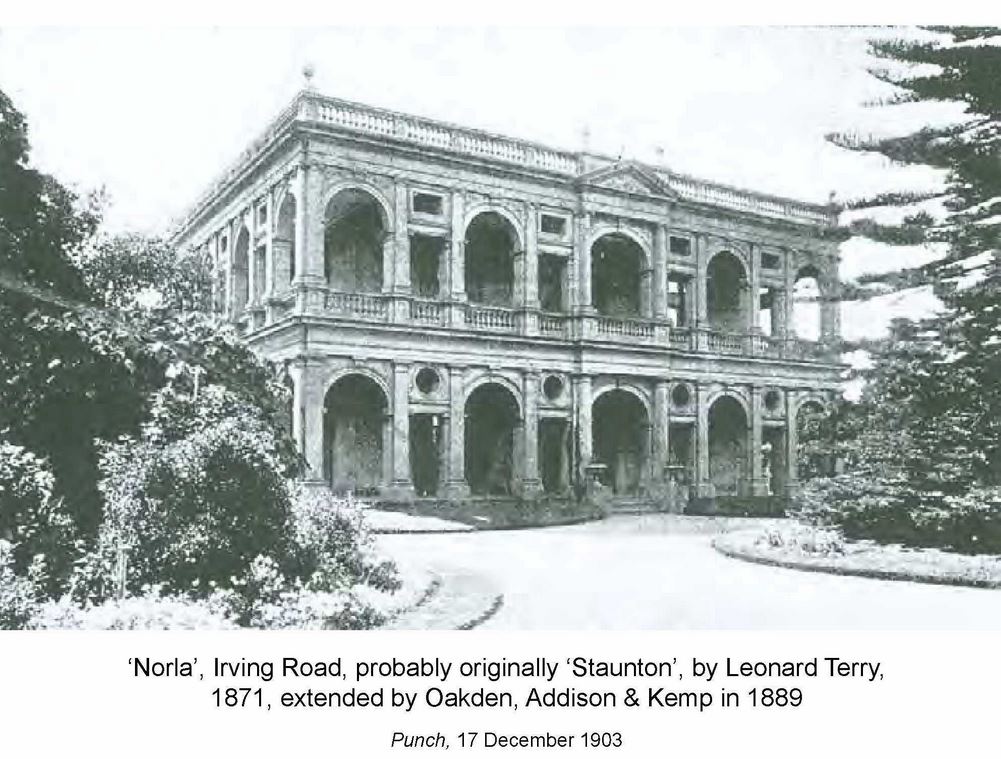
Generously shared by Cheryl Fraser
First off, I know it isn’t the best quality, but it is great to see Norla from another angle. What a beautiful building it was. Next, built in 1871 by Leonard Terry and probably called “Staunton”. Wow!
Of course, I wanted to be able to confirm those details, so the first task was to email Cheryl to ask her where she sourced this information from.
The problem we might have here is that Ancestry has a note in her account details stating that she hasn’t logged into their site for over twelve months. Damn! I still sent the message off. You never know.
The next task, to confirm who Leonard Terry was, and then to confirm if there were any notifications of when he was commissioned to build printed in the press at the time.
OMG! Ask and you will receive. Check this out, printed on Wed’ 13th of September, 1871.

So it was commissioned by Mr Hartley Williams, who was a barrister of the Supreme Court of Victoria at the time. And would you believe it, the National Portrait Gallery in Canberra has a photograph of Hartley taken in 1871 in its collection.
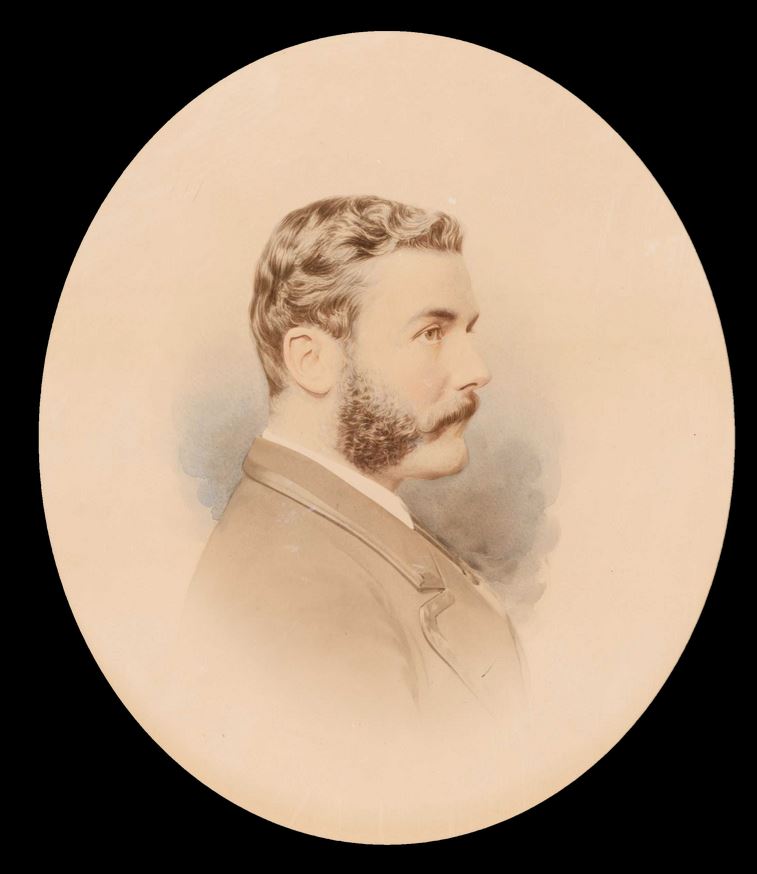
by Johnstone O’Shannessy & Co
Figure 59b: Courtesy of the National Portrait Gallery Australia
https://www.portrait.gov.au/portraits/2016.55/sir-hartley-williams
Hartley would go on to become the youngest appointee of the Supreme Court of Victoria when he was appointed as a judge in 1881. https://www.portrait.gov.au/portraits/2016.55/sir-hartley-williams
I know the article above doesn’t specifically name the house that Mr Terry is going to build, but this next article confirms that it was indeed Staunton.

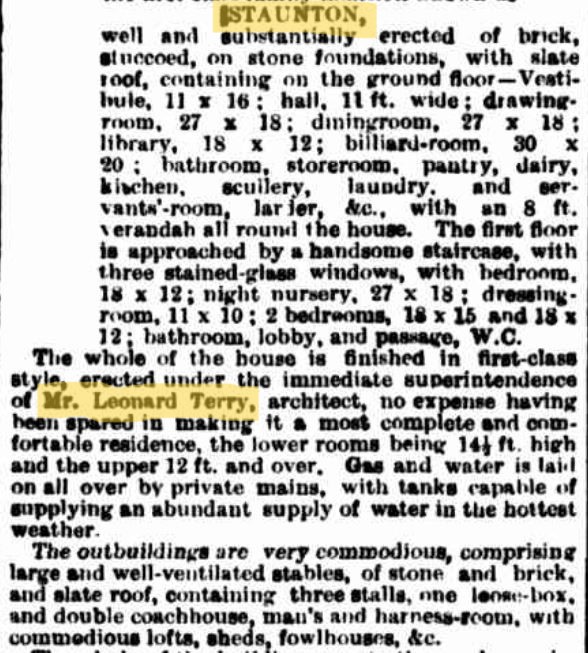
Article 9a: Courtesy of Trove, National Library of Australia
What an amazing description to find of the house. But the next thing I want to find is that article that states Staunton became Norla. Maybe confirming exactly when Marion and the family moved in might assist with this.
I have started searching for anything on Staunton and I have found heaps and am champing at the bit to share with you, but I’m going to save it for “Part Two” of this post, as this first part is already up to 27 minutes reading time.
A couple of final surprises to share with you first, though.
When I read “Staunton” on that photo of Norla above, it sounded really familiar, and it didn’t take long to find in my archives where that other potential family connection was to Norla.

That is my cousin, John Macvean’s father, John Macvean (Marion’s father-in-law), who owns Staunton. The Rev. Allan and Hugh (Anne’s father) are his brothers, as well as being brothers to my 3x great-grandfather, John Hugh Macvean.

(Marion’s Father-In-Law) (John’s Father)
Figure 60a: Courtesy of The Macvean Family Archives

Figure 60b: Courtesy of the Macvean Family Archives

(Anne’s Father)
Figure 60c: Courtesy of the Macvean Family Archives
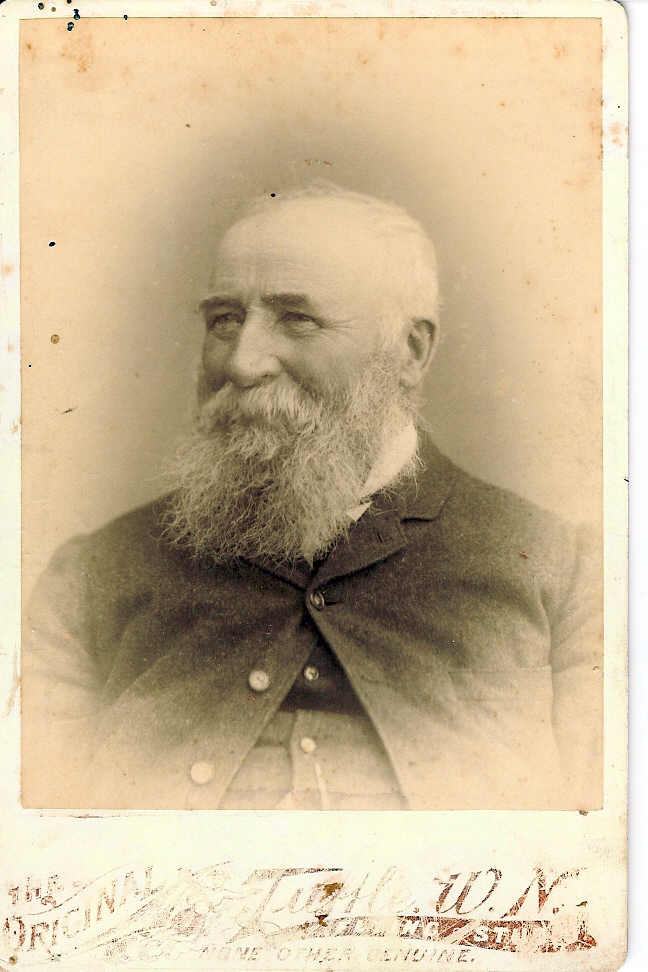
(my 3x Great-Grandfather)
Figure 60d: Courtesy of the Macvean Family Archives
Wow! Even though I have had a copy of this article on the Were-Macvean wedding for ages, I hadn’t put any of this together. This is all new information for me, and a great surprise, especially after spending a couple of months researching Marion, John and Norla without so much as a hint of the connection coming up.
Oh, we are so close to being able to say that Norla was Staunton. We just need a notification of sale from Marion’s father-in-law, John Macvean, to her father, Simon Fraser. It hasn’t appeared as yet.
The next surprise. In the midst of all of this research, I came across a reference on The University of Melbourne’s website to Sir Simon Fraser and Norla.
There was no digital resource attached to the reference, so I sent off an email to the Uni asking if it was possible to get a copy of the photo. This was a couple of weeks back, and before I had found Charlie Hammond’s photo of Norla from 1890 (Figure 41).
I received a fantastic response back last week from one of the University’s Archivists. They shared with me the photos and gave me their permission to share with you.

[UMA-ITE-2007005300147]. University of Melbourne Archives, accessed 18/06/2025
https://archives.library.unimelb.edu.au/nodes/view/309078
Figure 61.

[UMA-ITE-2007005300147]. University of Melbourne Archives, accessed 18/06/2025
https://archives.library.unimelb.edu.au/nodes/view/309078
Figure 62.
You can see that these photos are 37 years after Charlie Hammond’s photo shown in (Figure 41). Lots of growth has happened on the exterior of the building, and just as much has occurred on the interior as well after all of those decades.
Norla is still part of Marion and the Fraser’s lives at this stage, although Marion’s father, Sir Simon has passed on.
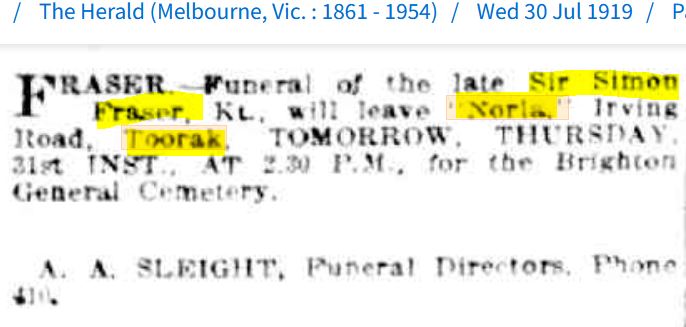
Marion’s brother, Mr J. Neville Fraser, marries his fiancée, Miss Una Woolf, the year before in March 1926 in Sydney.


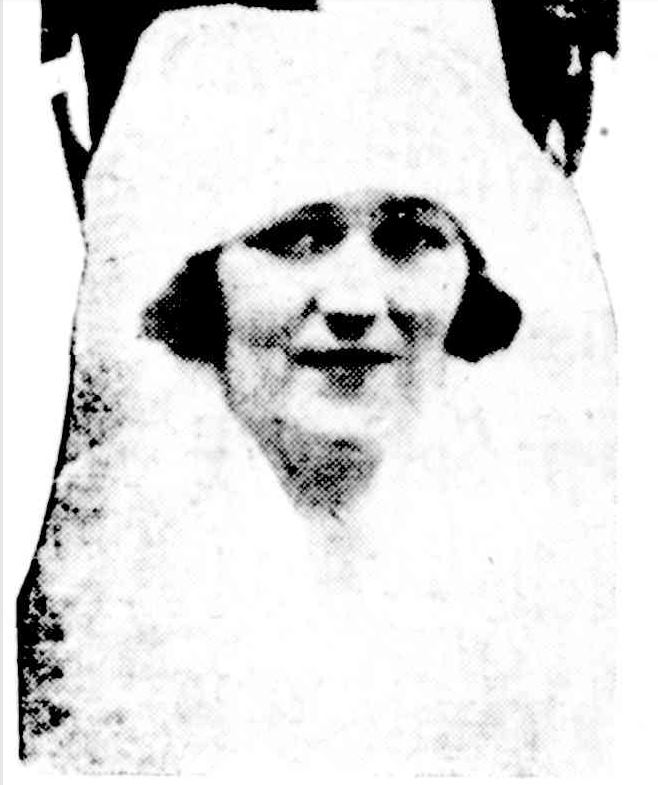
Article 10: Courtesy of Trove, National Library of Australia
Lady Fraser and Marion were both in attendance.


Then, just seven months after the wedding, Neville and Una are staying with Lady Fraser at Norla.

Una’s mother even turns up all the way from Perth, Western Australia, to join them for the festive season.

In addition to Mrs Woolf, Marion and Neville’s sister-in-law, Marion Dorothea Fraser, née Collins, even turns up to stay.

And apart from being together for Christmas, I think there might have been another reason that brought them all together.

The birth of Una and Neville’s first child, Lorraine.
The Archivist from Melbourne University shared a few other photos along with the ones of Norla. Here are Lorraine and Una on the verandah at Norla, when Lorraine was nine months and eighteen months old.

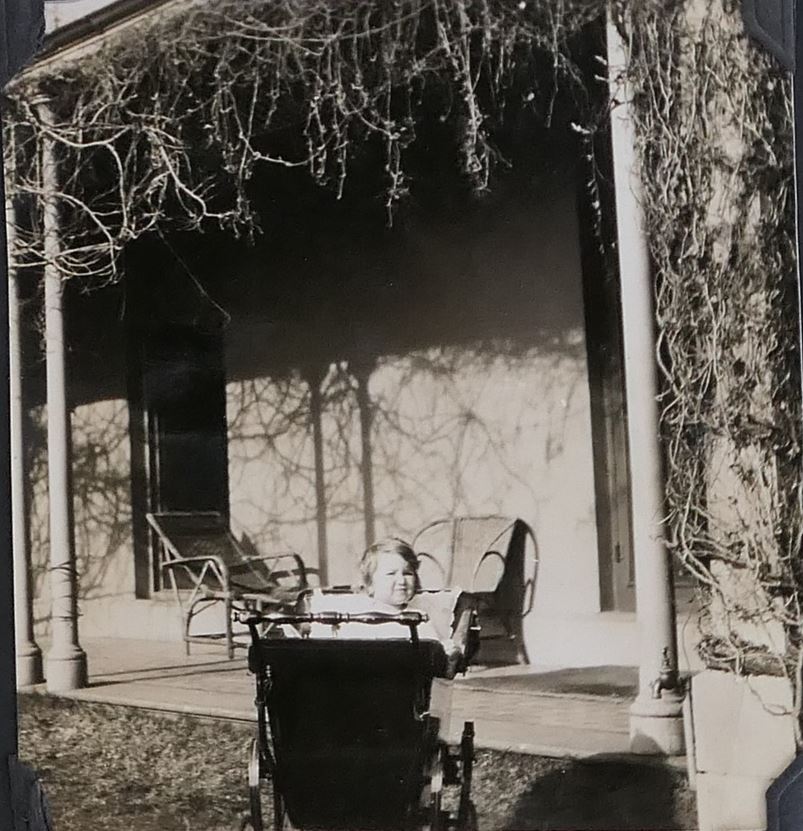
Fraser, Una, [Lorraine & Una Fraser at ‘Norla’, Sir Simon Fraser’s home in Irving Road, Toorak ] (1927 & 1928),
[UMA-IT-000138177]. University of Melbourne Archives, accessed 18/06/2025
Figures 67 & 68
No mention of our Marion visiting at this time, but she does make it for a visit at the beginning of the new decade.

So it is clear just from these few examples how important Norla was to Marion and the family. At the time of this visit of Marion’s in January 1930, it had been part of her life for 40 years.
Now for the final surprise, yes, you guessed it, we got there. Confirmation that Norla had an even longer connection to the family than we initially thought. And in a random twist, it comes from Marion’s brother, Neville.
Neville sends a “Letter to the Editor” of the Melbourne Herald in response to the information printed in the demolition article (Article 8) above.
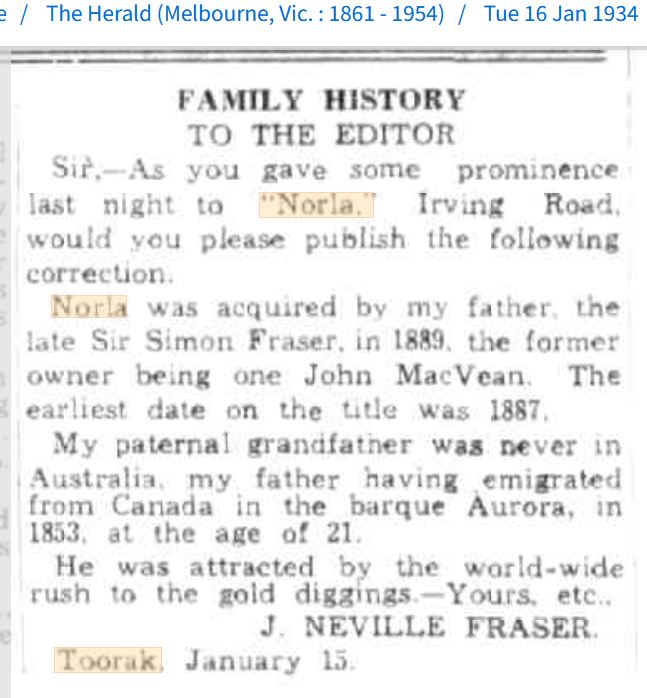
I mean, come on! That is incredible! The date they moved in, the fact that John Macvean owned the property previously and confirmation that Neville’s grandfather never made it to Australia are all contained in this letter.
This is why I’m addicted to family history research, what a find, and I only just stumbled onto this letter of Neville’s this week as I was finishing off this post.
A huge thanks to Neville for writing it and sending it in, and thanks also to the Editor at the Herald for publishing it. There is no way they could have even imagined that 91 years later, the information in that letter would be so important to someone like me.
The funny thing is that I have spent hours trawling through Trove, pulling out every mention of Staunton and Norla that I could find to try and confirm when and if they were one and the same, and in one letter, Neville confirms it. I know it doesn’t say specifically, “Staunton was renamed Norla”, but it’s as good as for me.
Those hours searching are not wasted time either, as I now have heaps of information to share on how and when Staunton becomes Norla, and who was part of that story. Of course, that is Marion and John’s story too.
I also have loads more to share about Marion’s presidential duties with the C.W.A. and hers and John’s lives in Quirindi, so I hope you will join me for Part Two of “Madame President” when it is published.

 JOHN'S FAMILY HISTORY

Another amazing adventure into the past. Loved reading your enthusiasm. Loved reading the newspaper articles. Great photos 👍👍
LikeLike
Hey Ms Kay, thanks so much for reading and your feedback, much appreciated. John x
LikeLike